Princess Eugenie Walked Down the Aisle With Her Spine Bare
Every young woman dreams of her wedding day, imagining every detail from the bouquet to the baubles on the dress. For most brides, the decision made in ateliers and dressing rooms remains personal. But for Princess Eugenie, wedding planning came with its own royal gaze and expectations. On October 12, 2018, as the bespoke doors of St George's Chapel at Windsor Castle swung open, she stunned the world—not just by wearing a gown fit for a princess, but by turning her personal narrative into a public statement with grace and courage.
The Wedding of a Modern Princess
As wedding bells tolled in Windsor and the clear Windsor skies seemed to welcome all celebrating with open arms, Princess Eugenie’s nuptials were more than a ceremony of hearts and tradition. They were a declaration. Eugenie's choice of designer was a nod to modernity: the British-based designer duo Peter Pilotto and Christopher de Vos. The gown adorned with symbolism—woven with thistles, clover, and York roses—was elegant yet imbued with singular purpose.
St George's Chapel, steeped in centuries of royal history, witnessed a marriage that echoed its traditional past but hummed with the present's robust, progressive heartbeat. Surrounded by beaming relatives and friends, including outside-the-royal-sphere darlings like Ellie Goulding, Eugenie weaved a personal narrative through the day's pageantry. But it was the decision to forgo a veil and let her scoliosis scar tell its own story that rendered every royal watcher silent with admiration.
The Choice to Bare It All
The journey to bare her spine wasn't merely about sartorial choices. At the age of 12, Eugenie underwent surgery to correct scoliosis, experiencing what many young people face—a sudden change in one's sense of self, bodily discomfort and all the vulnerability that clings to childhood's end. The scar was a tangible memory of her strength and the medical advances that restored her hope for a 'normal' life.
Where courtiers might have suggested modification or discretion, Eugenie's resolve to reveal the scar was steadfast. In the months leading up to the ceremony, royal insiders discreetly suggested alternate designs; a higher back perhaps, modesty suggested comfort. But Eugenie embraced the symbolism of her gown—no veil, just courage—by approaching her wedding day with a defiant kindness.
Her gown's low back became a powerful statement of resilience, not just for herself but for the millions watching who carry their own visible or invisible scars. When she said "I do," she did so with a confidence that radiated far beyond Windsor's stone walls.
Behind Palace Doors
The British royal family is no stranger to the weight of public expectation and the balance of service and symbolism. Eugenie, the younger daughter of the Duke and Duchess of York, grew up under the affectionate albeit watchful eyes of her grandmother, Queen Elizabeth II. With a lineage that spans centuries, the royals have upheld traditions while delicately stepping towards modern ideals. Eugenie's choice was a beautifully contemporary thrust within these enduring conventions.
Raising eyebrows is not new for a family that continuously redefines itself to fit both the traditions they cherish and the progressive world they inhabit. Her appearance on the chapel steps, every inch a princess yet emotionally raw, reminded audiences everywhere of the humanity behind the tiaras and the weighty privilege.
The Windsors have long understood that with pageantry and privilege comes the responsibility of influence. Eugenie's stance, underlined in satin and silk, resonated with a message of acceptance and personal strength—qualities the monarchy values as much as duty and decorum.
Bridging Tradition and Modernity
The story of Eugenie's wedding underscores the intricate tapestry of progress and history that defines today’s British monarchy. While Eugenie's day was meticulously planned—without excess pomp that might echo days gone by—it also represented the subtle, evolving nature of royal protocols. Acknowledging personal scars, embracing vulnerability, and doing so with dignity, Eugenie's moment under the domed ceiling of St George’s Chapel was intimate yet boldly public.
Such moments make the monarchy relatable, binding past to present in a single sweep of human experience. Emphasizing personal stories that connect with the public suggests a royal family that listens, adapts, and empathizes.
Princess Eugenie, wrapped not just in glorious fabrics but in her truth, stands for all who dare to embrace their valleys and peaks. Her choice wasn't just about defying a notion of perfection—it was about expressing resilience while moving forward with hope and authenticity.
Thus, Princess Eugenie's wedding to Jack Brooksbank became an emblem of strength, delivering a message that extended beyond the day's event. Like the age-old Windsor Castle that welcomed her ancestors before her, Eugenie’s contemporary courage intertwined beautifully with the historic resonance of that momentous day in October.
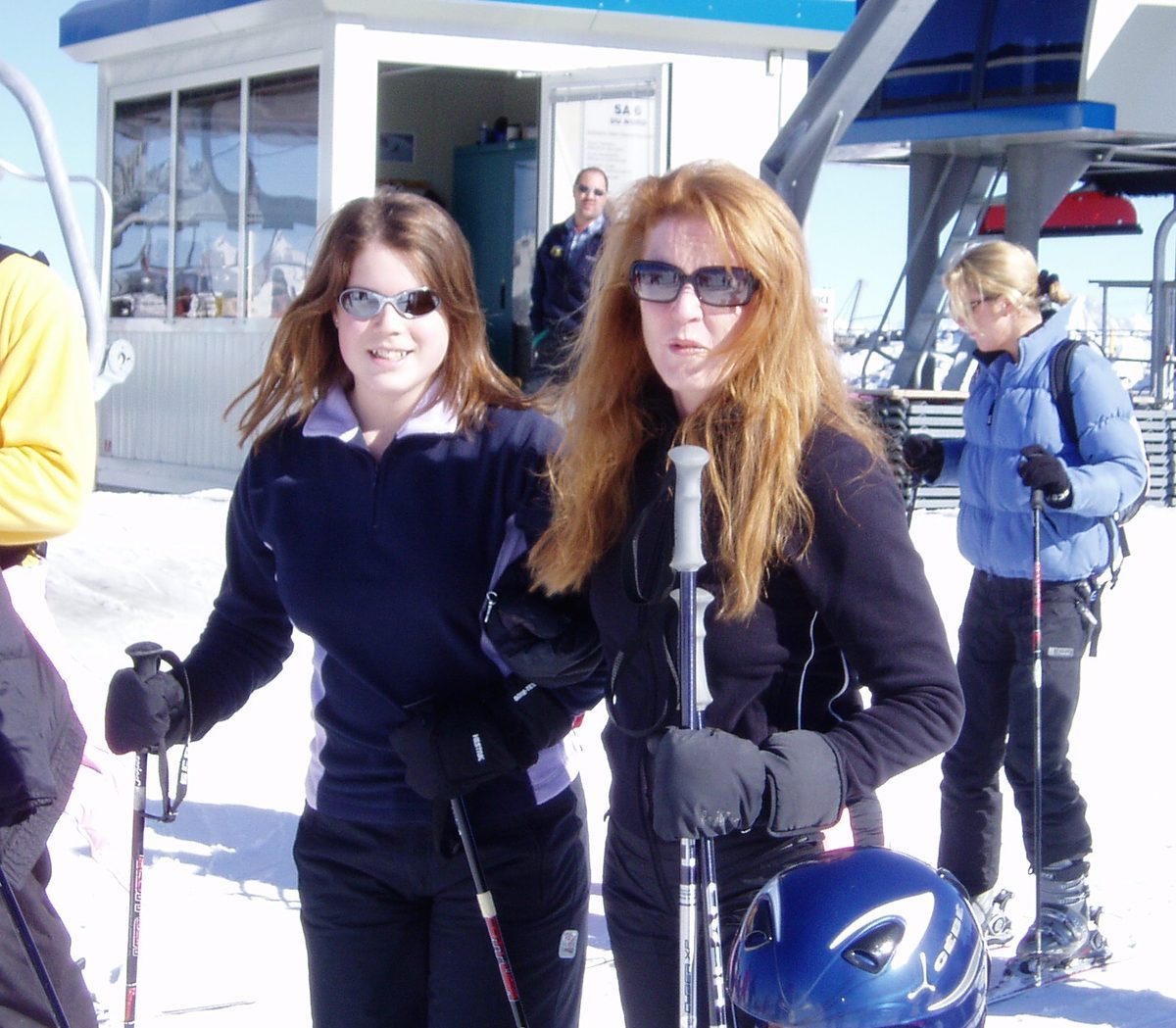
📷 Photo: Carfax2. CC BY-SA 3.0 via Wikimedia Commons.