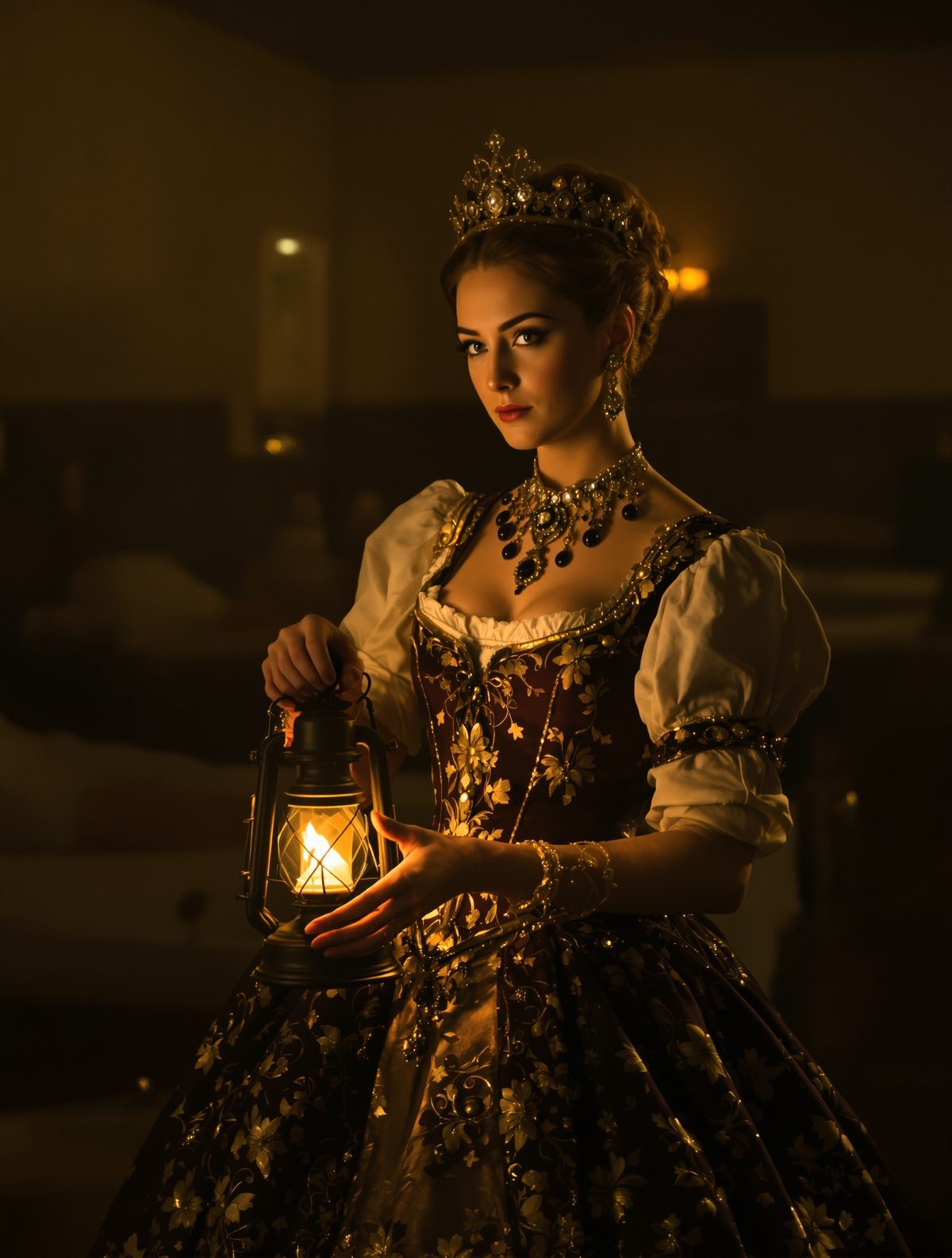
In the hushed corridors of Windsor Castle, as the clock struck midnight, a solitary figure moved through the shadows with purposeful determination. Queen Victoria, draped in her familiar black mourning dress, carried out a ritual that would continue for forty years — one that would move her devoted servants to tears and reveal the extraordinary depth of a love that transcended death itself.
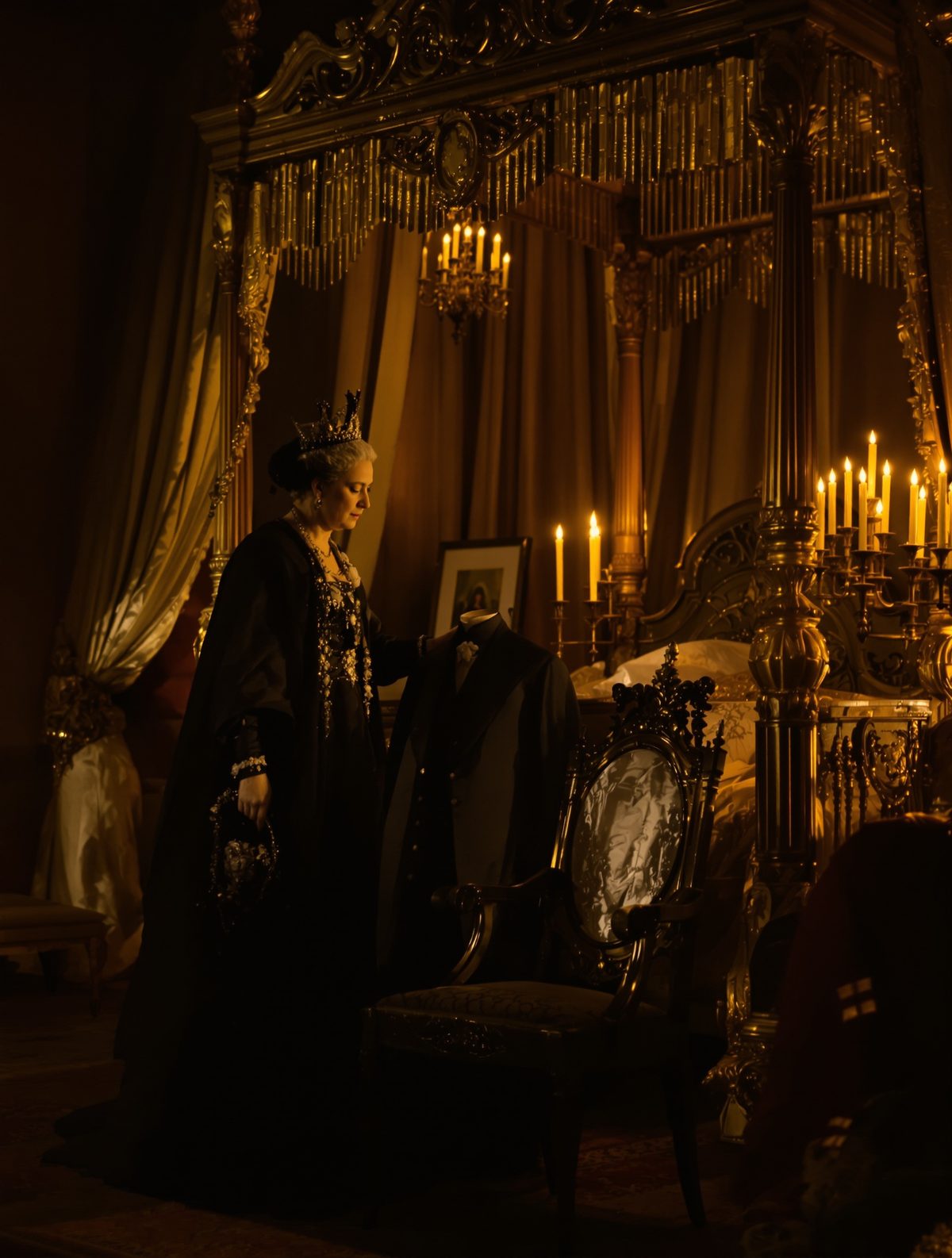
Every single night, from 1861 until her own death in 1901, the Queen would slip into Prince Albert's chambers and prepare them as if he were still alive. She would lay out his clothes with meticulous care, fill his washbasin with fresh water, and arrange his newspapers exactly as he had preferred them during their twenty-one years of blissful marriage. This wasn't merely the behaviour of a grieving widow — it was a sacred act of devotion that transformed the very atmosphere of the royal household.
A Love That Defined an Era
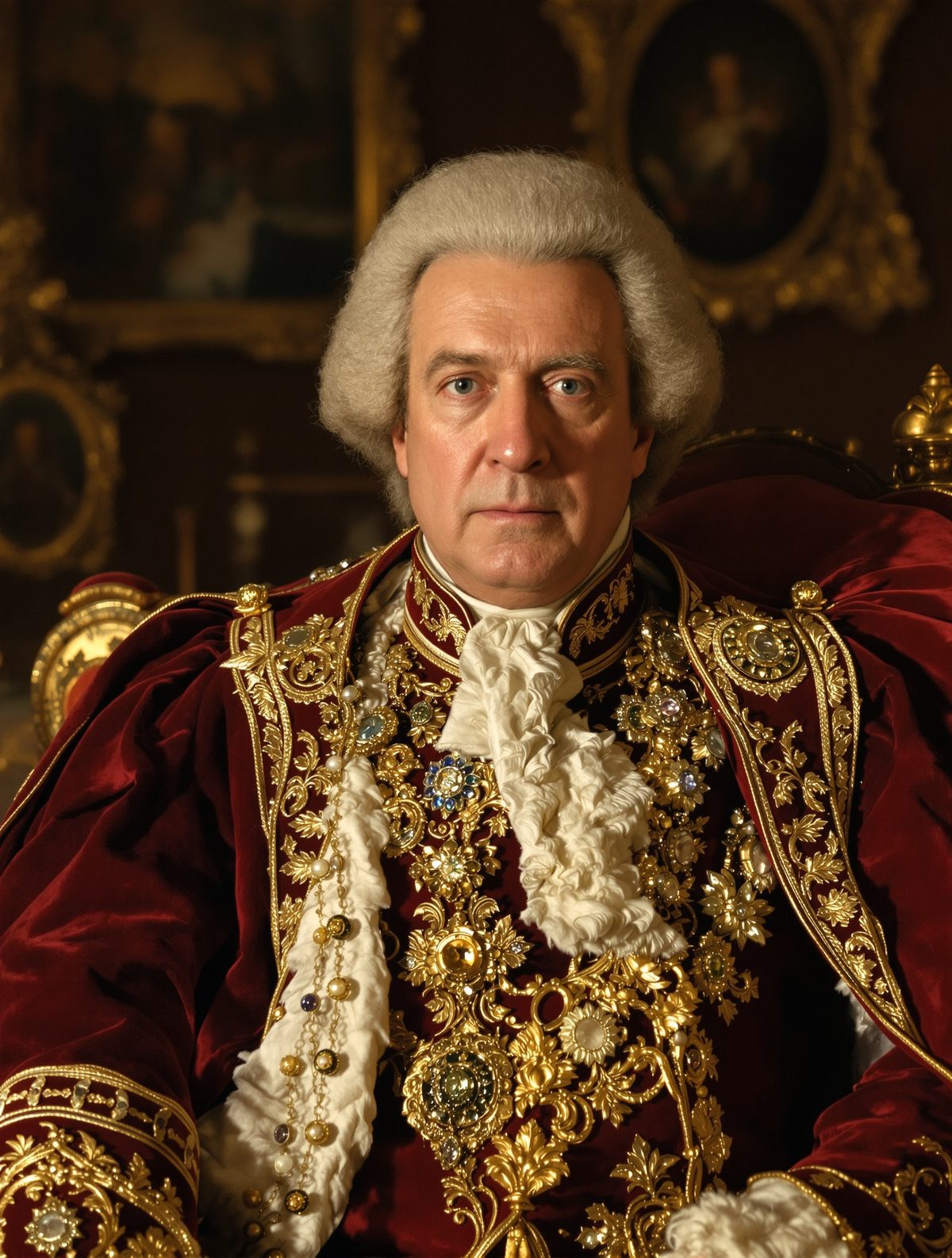
To understand the profound significance of Victoria's nightly ritual, one must first appreciate the extraordinary partnership she shared with Prince Albert of Saxe-Coburg and Gotha. Their marriage, which began in 1840, blossomed into one of history's most celebrated royal love stories. Albert wasn't merely Victoria's consort; he was her closest advisor, her intellectual equal, and her emotional anchor in the demanding world of monarchy.
The Prince Consort had transformed not only Victoria's personal life but the very nature of the British monarchy itself. Together, they championed education, the arts, and social reform. Albert's influence could be seen in everything from the Great Exhibition of 1851 to the modernisation of the royal household. He helped Victoria navigate the complexities of constitutional monarchy while maintaining the dignity and relevance of the Crown.
When typhoid fever claimed Albert's life on 14th December 1861, at just forty-two years of age, Victoria's world shattered completely. "My life as a happy one is ended!" she wrote in her journal. "The world is gone for me!" What followed was not merely grief, but a complete reimagining of how a monarch could honour love itself.
The Sacred Ritual Begins
Palace servants first noticed the Queen's unusual behaviour within days of Albert's death. Initially, they assumed it was simply part of her immediate grief — understandable actions from a woman who had lost her soulmate. But as weeks turned to months, and months to years, they realised they were witnessing something far more profound.
Victoria's routine never varied. After completing her official duties and retiring for the evening, she would wait until the palace had settled into its nighttime quiet. Then, carrying a single candle or small lamp, she would make her way to Albert's apartments. These rooms, which she had ordered to be maintained exactly as they were on the day of his death, became her nightly destination for four decades.
The Queen's attention to detail was extraordinary. She would select Albert's clothing with the same care she had shown when he was alive — his morning coat perfectly pressed, his cravat arranged just so. His shaving equipment would be laid out precisely, his washbasin filled with fresh, warm water. She ensured his favourite newspapers were present and folded in the particular way he had preferred, with certain sections positioned where he could easily reach them.
Perhaps most touching of all, Victoria would often place fresh flowers — typically Albert's beloved white roses — in a vase by his bedside, ensuring that even in death, his rooms reflected the beauty and care that had characterised their shared life.
The Servants' Devotion
The palace staff, initially bewildered by their Queen's behaviour, soon came to understand the profound love behind these actions. Rather than viewing Victoria's ritual as eccentric or concerning, they recognised it as something deeply sacred. Many servants reported being moved to tears when they discovered the extent of the Queen's nightly devotions.
The household staff began to anticipate the Queen's needs, ensuring that fresh linens, flowers, and newspapers were always available for her midnight visits. They maintained Albert's rooms with religious dedication, understanding that they were caring for more than just furniture and belongings — they were preserving a shrine to one of history's greatest royal love stories.
Some servants reported hearing the Queen speaking softly in Albert's chambers, as if carrying on the conversations that had once been such a vital part of their daily routine. Others mentioned seeing her reading aloud from his favourite books or simply sitting quietly in his chair, surrounded by his possessions and memories.
The staff's respect for Victoria's ritual was absolute. They coordinated their duties to ensure the Queen's privacy during these precious moments, and many accounts suggest that they came to view themselves as guardians of something truly special — a love that refused to be diminished by death.
A Mourning That Shaped a Reign
Victoria's nightly ritual was just one aspect of her unprecedented approach to royal mourning. She wore black for the remaining forty years of her life, earning her the nickname "the Widow of Windsor." Her devotion to Albert's memory influenced every aspect of her reign, from her withdrawal from public life in the 1860s to her eventual return as the beloved matriarch of the nation.
The Queen's grief, while initially causing concern among her ministers and subjects, eventually became a source of profound respect and admiration. Victorians understood deep mourning — it was an era when loss was a frequent visitor to every household. But Victoria's unwavering devotion to Albert's memory elevated mourning to an art form, demonstrating that true love could indeed conquer death.
Her nightly ritual also reflected the very personal nature of Victoria's monarchy. Unlike many of her predecessors, she brought genuine emotion and humanity to the Crown. Her visible grief, her unashamed love for Albert, and her determination to honour his memory made her more relatable to her subjects, not less.
Throughout these decades, Victoria continued to seek Albert's counsel in her decision-making, often asking herself what he would have advised in particular situations. This wasn't mere sentimentality — Albert's wisdom continued to guide British policy and royal protocol long after his death.
Legacy of Eternal Love
When Queen Victoria died on 22nd January 1901, she was buried alongside her beloved Albert in the Royal Mausoleum at Frogmore. Her wedding veil was placed over her face, and Albert's dressing gown was laid beside her — fitting symbols of a love that had endured far beyond the bounds of mortal life.
The story of Victoria's midnight ritual offers us something precious in our modern world: proof that authentic, transformative love can indeed last forever. In an age of fleeting relationships and casual commitments, there's something profoundly moving about a woman who spent forty years preparing for the return of a husband who would never come home.
Her devotion reminds us that the greatest loves aren't those that burn brightest, but those that burn longest. Victoria's nightly journey to Albert's chambers wasn't an act of denial or an inability to accept reality — it was a choice to honour love itself, to refuse to let death have the final word in a relationship that had brought such joy and purpose to her life.
Today, as we witness the enduring partnerships within the modern royal family, we can trace a direct line back to Victoria and Albert's transformative love story. They established the template for royal marriage as a genuine partnership based on mutual respect, shared values, and deep affection. Victoria's forty-year ritual stands as perhaps the most moving testament to that legacy — a nightly prayer of love that echoed through the halls of history and continues to touch hearts more than a century later.