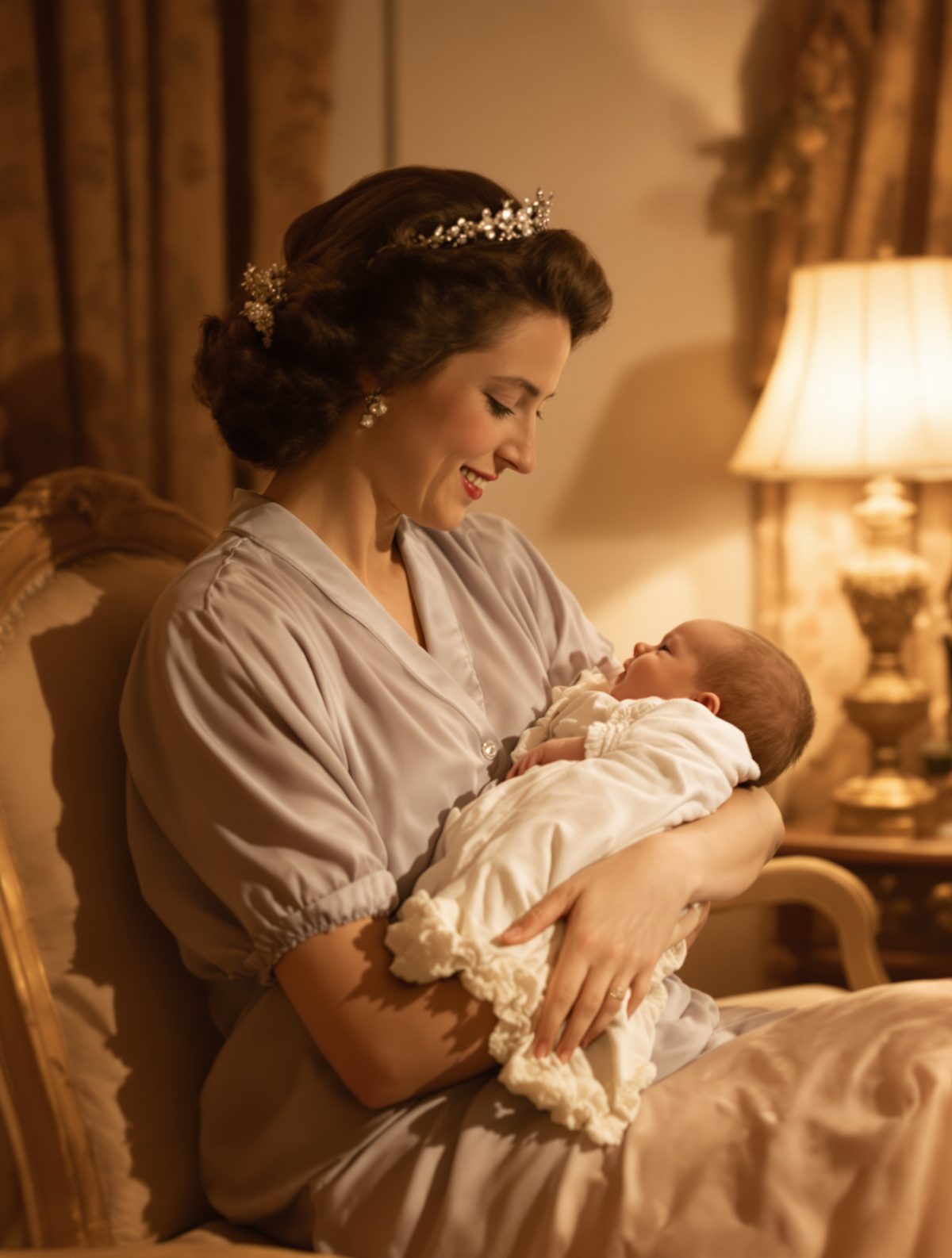

The gaslight flickered against the palace windows as Princess Alice slipped quietly through the servants' quarters, her silk gown replaced by a simple nurse's uniform. It was well past midnight in Darmstadt, and while her household slumbered, Queen Victoria's second daughter was beginning her most important work of the day. What her courtiers discovered weeks later would send shockwaves through the rigid world of 1870s European royalty: their princess had been leading a secret double life as a battlefield nurse during one of the bloodiest conflicts of the century.
A Princess Transforms into a Nurse
When the Franco-Prussian War erupted in July 1870, Princess Alice of the United Kingdom found herself in an extraordinary position. Married to Prince Louis of Hesse and living in the German states, she witnessed firsthand the devastating human cost of the conflict that would reshape Europe. While other royal ladies organized charity committees and hosted fundraising soirées from the comfort of their drawing rooms, Alice made a decision that would define her legacy forever.
The 27-year-old princess had already shown an unusual interest in nursing and medical care, inspired partly by her admiration for Florence Nightingale's work during the Crimean War. But nothing could have prepared the Hessian court for the discovery that their princess was secretly working grueling night shifts in the makeshift military hospitals that had sprung up across the region.
Alice's transformation was complete and startling. Gone were the elaborate gowns, the jewels, and the formal protocols that defined royal life. Instead, she donned the practical uniform of a hospital nurse, rolled up her sleeves, and threw herself into work that would have been considered shockingly inappropriate for a woman of her station.
Behind Enemy Lines of Royal Protocol
The secrecy surrounding Alice's hospital work wasn't merely about avoiding publicity—it was a matter of survival within the suffocating constraints of royal protocol. Victorian society, and particularly the German courts, operated under strict rules about what was considered appropriate behavior for a princess. Direct contact with common soldiers, especially in such intimate circumstances as medical care, was simply unthinkable.
Yet Alice persevered, often working through the night tending to wounded soldiers streaming in from the front lines. She dressed infected wounds, administered medications, and provided comfort to dying men who had never imagined they would spend their final moments being cared for by royalty. Her hands, once soft and protected, became calloused from the demanding physical work.
The princess's dedication went far beyond what anyone expected from royal charitable work. She learned to assist in surgical procedures, helped transport patients, and even took on the grimmest tasks of battlefield medicine. When supplies ran low, Alice used her royal connections to secure desperately needed medical equipment and medicines, though she was careful to keep her hospital work separate from her official charitable duties.
The Shock of Discovery
When Alice's secret was finally discovered, the reaction from her household and the broader royal establishment was one of profound shock. Courtiers who had noticed her frequent absences and obvious exhaustion suddenly understood the truth behind her mysterious behavior. Some were horrified by what they saw as a complete abandonment of royal dignity, while others were moved by her extraordinary compassion and dedication.
The discovery created a fascinating tension within the court. How could they publicly condemn a princess whose work was so clearly motivated by Christian charity and humanitarian concern? Yet how could they condone behavior that so thoroughly violated every expectation of royal conduct?
Alice's mother, Queen Victoria, had a complex reaction to her daughter's activities. While proud of Alice's compassionate nature, the Queen worried about the precedent being set and the potential damage to royal prestige. The correspondence between mother and daughter during this period reveals the struggle between personal admiration and institutional concern that characterized much of their relationship.
A Legacy Born from Midnight Courage
The Franco-Prussian War ended in 1871, but Alice's commitment to nursing and medical care continued for the rest of her tragically short life. Her experiences during those secret midnight rounds had fundamentally changed her understanding of her role as a princess. She had discovered that royal privilege came with the opportunity—and perhaps the obligation—to serve in the most direct and personal ways possible.
Following the war, Alice became increasingly involved in medical training and hospital reform. She worked to improve conditions for nurses and advocated for better medical care for the poor. Her wartime experiences had given her practical knowledge that proved invaluable in these later endeavors.
The princess's approach to royal duty was revolutionary for its time. Rather than maintaining the traditional distance between royalty and subjects, Alice had shown that authentic service sometimes required abandoning the safety and comfort of palace life. Her willingness to work anonymously, without recognition or praise, demonstrated a understanding of duty that went far beyond ceremonial obligations.
The Human Heart Behind the Crown
Princess Alice's secret midnight hospital rounds during the Franco-Prussian War reveal something profound about the tension between royal expectations and human compassion. In choosing to serve as an ordinary nurse rather than simply as a patroness, she challenged fundamental assumptions about the nature of royal duty and privilege.
Her story resonates today as we continue to see members of the royal family seeking ways to serve that go beyond traditional ceremonial roles. Alice's courage in defying protocol to follow her conscience established a template for authentic royal service that prioritizes human need over institutional expectations. In those darkened hospital corridors of 1870s Germany, a princess discovered that the most meaningful crown she could wear was the simple cap of a nurse dedicated to healing.
The woman who shocked her court with her secret double life had, in fact, discovered one of the most enduring truths about effective monarchy: that real authority comes not from maintaining distance from suffering, but from the courage to step directly into it, even when no one is watching.