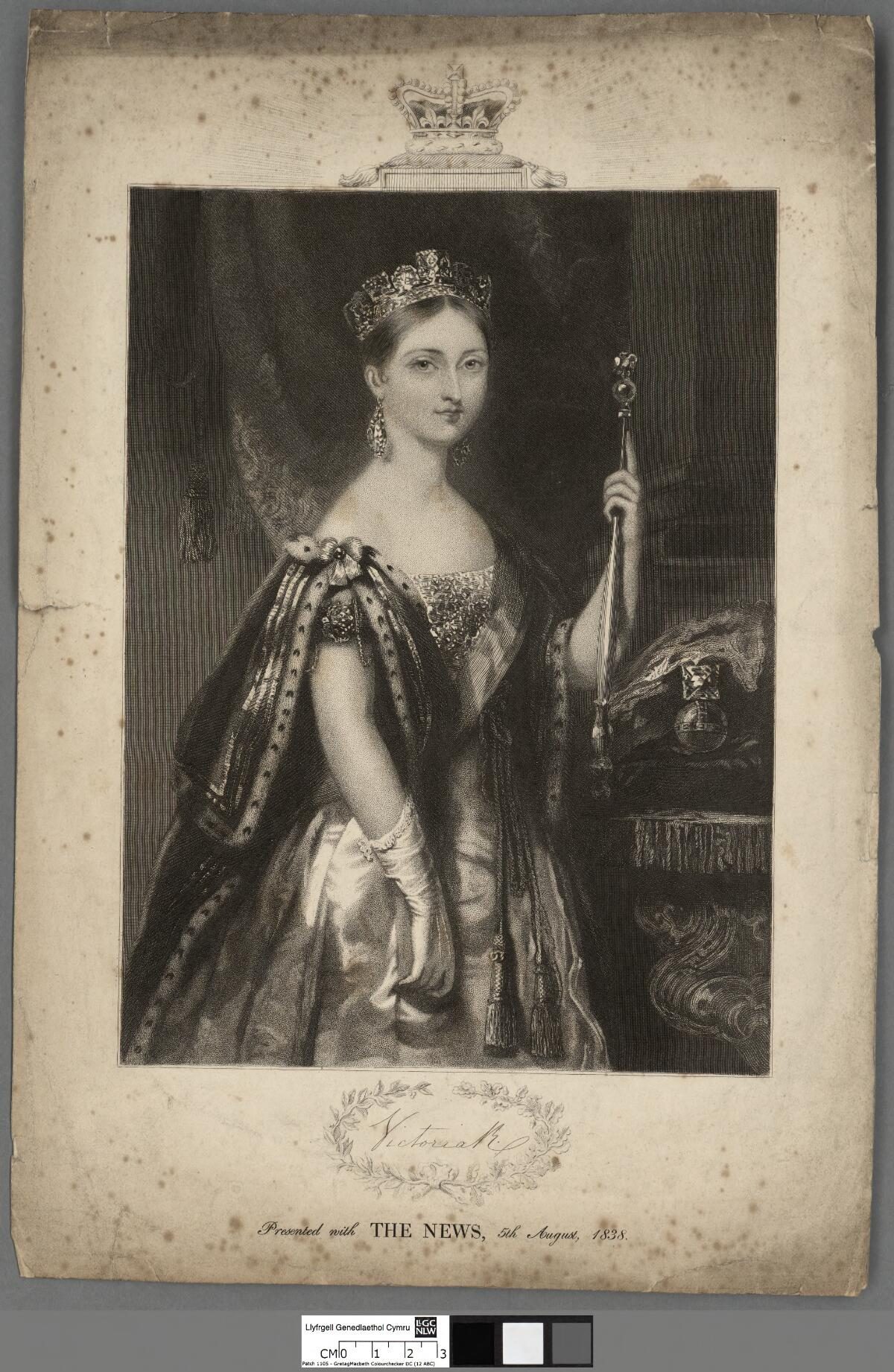
Queen Victoria’s Bold Leap into the Industrial Age
June 13th, 1842. The sun rose over a landscape that, though veiled in a morning mist, was unrecognizable from merely a decade before. The Industrial Revolution had transformed Great Britain into a powerhouse of industry and invention, introducing steam engines, imposing factories, and glittering railways that promised speed and progress. For the monarchy, stepping too far into this modern world was a daunting prospect. Yet, on this day, Queen Victoria would take a bold leap that forever intertwined the Crown with the pulse of the nation.
At Slough, a modest station just west of London, the anticipation was palpable. Onlookers, dignitaries, and a cohort of very anxious advisors gathered as the royal train awaited its esteemed passenger. This was more than a mere transit from one location to another; this was a defining moment in royal history - Queen Victoria, at the tender age of 23, was about to become the first British monarch to board a train.
Advisors Quake while Victoria Prepares to Embark
Despite the backdrop of innovation, this journey was not without its vocal opponents. Ministers and physicians were adamant in their warnings. Railways, still in their infancy, were deemed unsafe, unpredictable contraptions by some of the traditional-minded members of the royal court. Indeed, the very idea of the queen hurtling down tracks at unprecedented speeds induced many a worried night.
The atmosphere in the royal chambers had been tense. Council meetings had been abuzz with dire predictions. Some forecasted potential accidents leading to personal injury or public embarrassment. The queen’s own doctors, ever-cautious, expressed fears that the rattle and vibration of the train might unsettle her constitution—a nonsensical notion by today’s standards, but the result of an understandable lack of experience with this new mode of travel.
Even Prince Albert, Victoria’s stalwart supporter and consort, approached this mechanical chariot with reservation. Known for his progressive ideas and enthusiastic support of science and industry, Albert's caution bespoke of the love he bore for his wife—a reluctance to risk her welfare, no matter how groundbreaking the intent.
Yet, Victoria understood what embracing the railway symbolized. As the monarch of a rapidly evolving empire, she had the foresight to recognize the importance of aligning the crown with progress. The opportunity was revolutionary, the implications profound. With her characteristic decisiveness, Queen Victoria declared her intention. She would ride the train, advisors be damned.
The Majestic Ride from Slough to Paddington
At 12:30 pm, escorted by a retinue and surrounded by the awe-filled gazes of ordinary subjects, Queen Victoria boarded her specially-prepared royal carriage. The locomotive, powered by fire and steam, emitted a whistle that echoed across the platform as if heralding a new era.
The journey from Slough to Paddington was a brief 25 minutes—but those moments transcended time. What unfolded was a triumph both personal and symbolic. The queen, entranced by the experience, found herself savoring the changing vistas—green fields, bustling workers, smoking chimneys—each unfurling momentarily as the train hurried along. Her journals, overflowing with vivid descriptions, recounted the mesmerizing new perspective offered by this steel-clad monster. Victoria was thrilled by the brisk pace, her adventurous spirit seemingly awakened by the rhythmic churning below her feet.
Despite the initial trepidation, the journey was smooth, the ride comfortable, and the admiration—boundless. Legend has it that upon disembarking, Victoria turned to her party, eyes alight and cheeks flushed, expressing an eager desire for yet more speed. Her venture into the world of locomotion was not just an excursion but a statement of intent for her reign.
Paving the Tracks for Royal Tradition
The success of Victoria's maiden voyage by train did more than dispel misgivings; it paved the way for the railway to become a regular part of royal protocol. By personally embracing modernity, the queen invigorated the monarchy's connection with the populace. The railway, once seen as a tool for commoners and industry, had been embraced by regal hands, symbolizing a unifying bridge across classes.
Her keen understanding of public perception helped solidify her role as a monarch in step with her people, tying the prestige of royalty with the burgeoning philosophies of Victorian progressivism. Subsequent royal journeys by train, including consistent visits to Balmoral and Osborne House, became symbolic of the realm’s forward momentum.
Thus, Victoria's ride became more than a personal victory—it marked the monarchy’s transition into a new era. It underscored a reign united with the industrial heartbeat of Britain, securing a future where tradition and innovation walked hand in hand.
The Legacy of Victoria’s Venture
Today, as we look back on that pivotal journey, it's critical to acknowledge the impact such a small yet momentous act had on the evolving image of the British monarchy. Opting to ride the rails that day catalyzed a journey of modernization not only for the monarchy but also for the country it represented. The courage to embrace change reflected in the wonders we connect through rail even now.
The legacy of that decision is visible each time the royal family travels across their realm, bridging the past with the present, remembering a time when young Queen Victoria defied convention, delighted in new experiences, and fundamentally linked her reign with the burgeoning future of the nation.
In the fast-paced world of today, where progress continues to unfold before our eyes, it's both heartwarming and inspiring to recall that our beloved royals have long stood united with the spirit of innovation. For what are trains but vessels of continuity and change—qualities that hallmark the crown itself?
📷 Photo: Unknown authorUnknown author. Public domain via Wikimedia Commons.