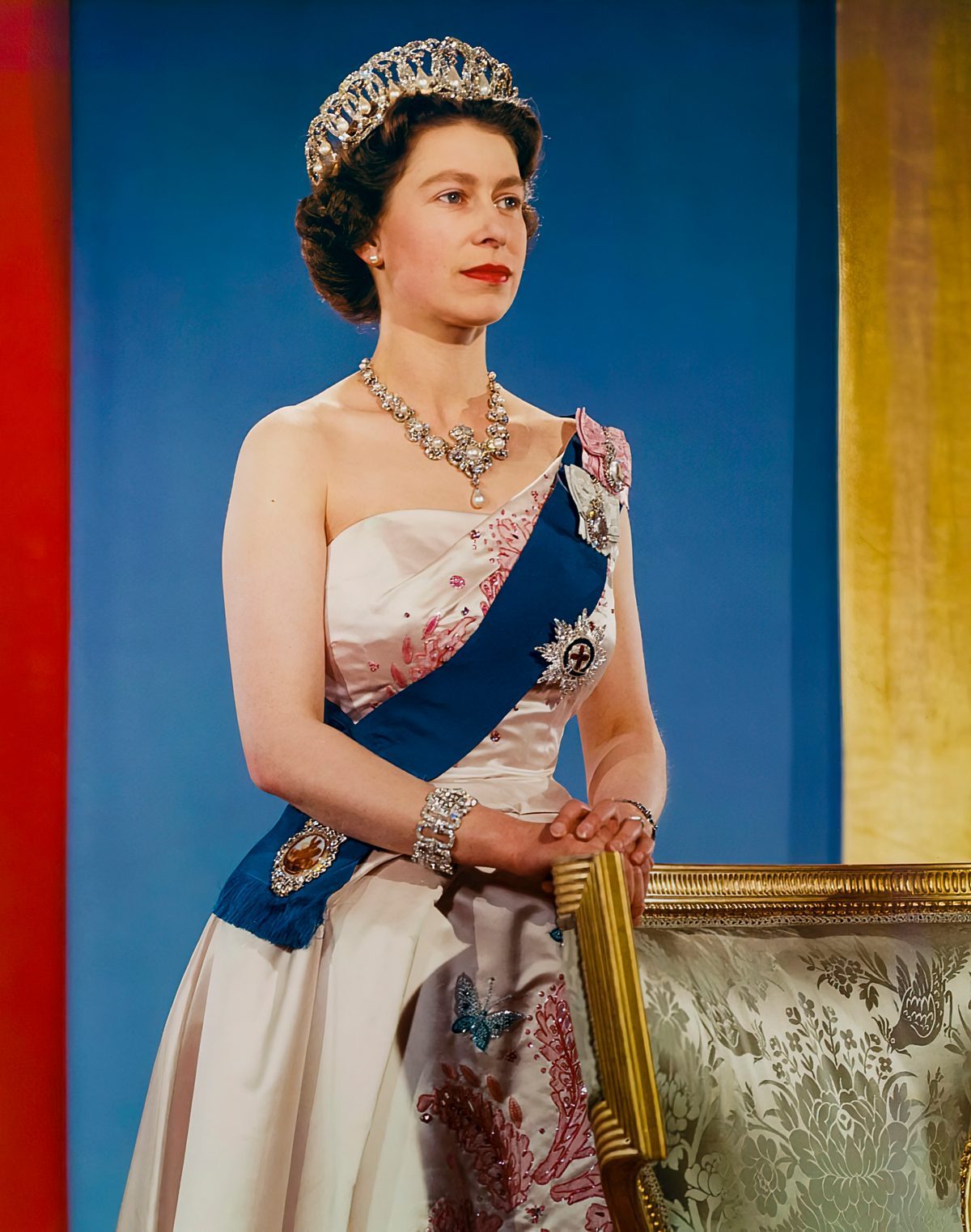
Royal Wedding Morning Shaken by an Unexpected Crisis
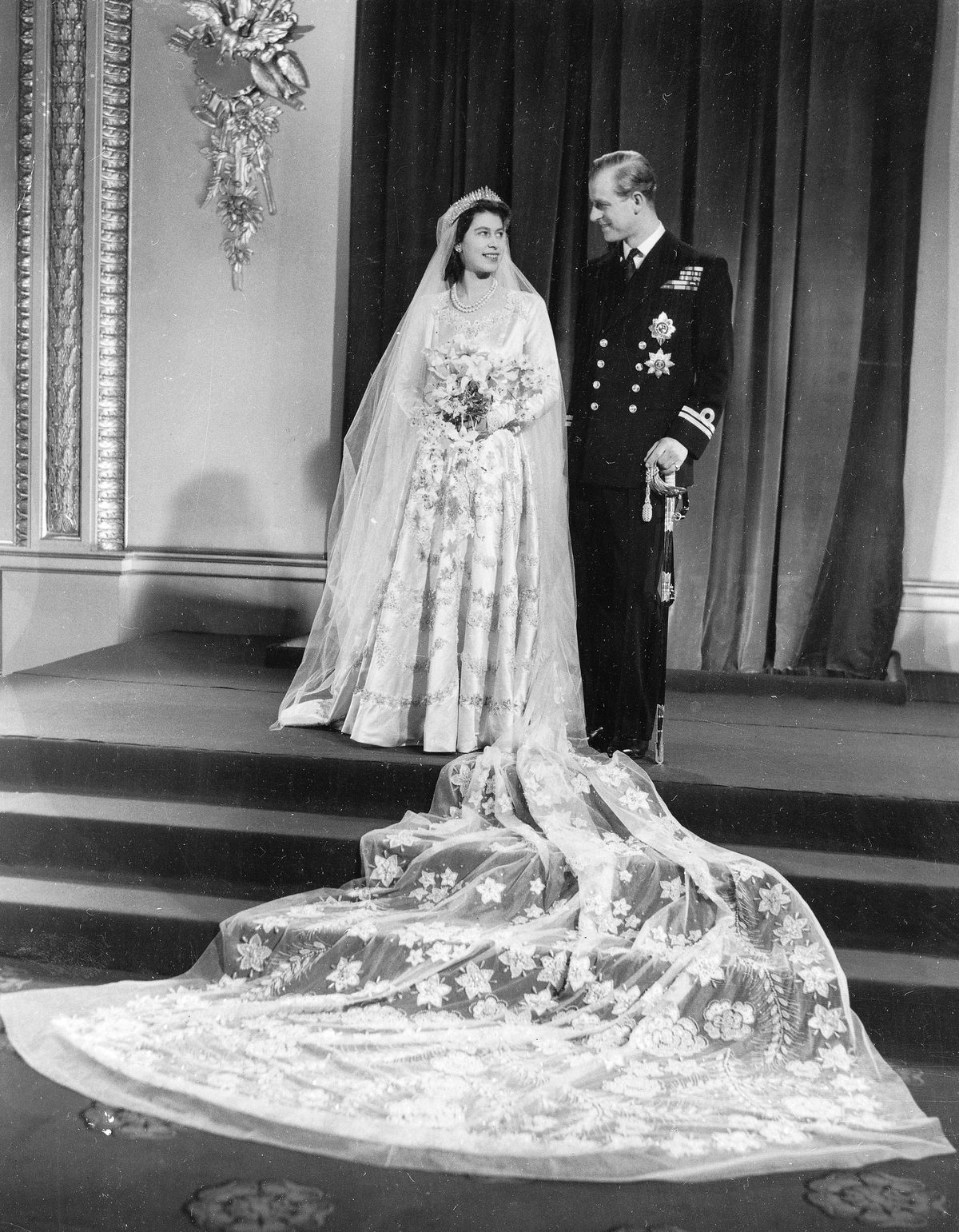
It was supposed to be a morning like no other for Princess Elizabeth, the future Queen of England. On the auspicious date of November 20th, 1947, Westminster Abbey stood ready in majestic solemnity, its Gothic arches prepared to echo with the whispers and joy of a nation ready to celebrate a fairytale wedding. But amid the hushed reverence and anticipation, in the private sanctum of the royal bridal suite, an unexpected crisis erupted that threatened to mar the regal grandeur of the occasion.
With the world eagerly awaiting the wedding, and royal watchers on tenterhooks, a calamity emerged that no royal planner could have anticipated—Princess Elizabeth’s tiara snapped clean in two. A seemingly innocuous incident, the breaking of a jewel, quickly turned into a race against time, filled with tension, resourcefulness, and that quintessential British resolve.
The Queen Mary's Fringe Tiara: An Heirloom with Heart
Fashioned from a necklace gifted by Queen Victoria, the Queen Mary’s Fringe Tiara wasn’t just any piece of royal finery. It carried the weight of tradition and familial love, handed down from Queen Mary to her daughter-in-law, Queen Elizabeth (later known as the Queen Mother), who would then bestow it lovingly upon her daughter, Princess Elizabeth, for the wedding. The tiara, an intricate assembly of 47 diamond bars divided by smaller spikes, represented continuity and elegance, perfect for a princess walking into her future.
The narrative behind its existence added layers of affection and history to the piece. It was originally constructed by the jeweller E. Wolff and Co. for Garrard & Co. in 1919, a transformation from a fringe necklace into a tiara, versatile enough to adapt to changing royal tastes and moments. This historic trifling with design meant to honor past generations and histories, now appeared to endanger the day’s proceedings.
A Morning Drama: A Race Against Time
In what might too easily be misconstrued as an omen of misfortune, the tiara snapped when Princess Elizabeth was preparing for the ceremony. The dresser’s heart sank. There was no time to spare! In that nerve-racking moment, the seemingly fragile piece of gold and diamonds required more than the deft touch of a seamstress; it needed urgent professional intervention to avoid a wedding-day disaster.
Garbed in the elegance befitting a royal bride but now faced with a predicament of alarming proportions, Princess Elizabeth was surrounded by her inner circle. Her hairdresser, the renowned Monsieur Jules, had to halt his preparations abruptly as the broken tiara was whisked away, quite literally under a watchful eye and police escort across the bustling city streets to Garrard's workshop. The clock ticked mercilessly even before this critical piece made its way into skilled hands.
The city, bustling as it was, heaved with anticipation; no one could have predicted the steely resolve behind the facade of the usual pomp and precision of a royal event. This small, unseen drama played out amidst the broad strokes of a national event kept the nation—it seems now—in suspense.
The Unsung Heroes of the Hour: Expertise and Precision
Once in the hands of the craftsmen at Garrard, the tiara quickly became the focus of intimate expertise and pure craftsmanship. Every moment was precious. The expert jewellers, cognizant of the stakes, performed their task with meticulous care, treating each jewel and hinge as though the reputation of the entire royal family depended on it. Indeed, in many ways, it did.
Remarkably, swift and deft fingers worked magic, managing to repair the tiara just in the nick of time. This Herculean effort transformed a near-crisis into an emblem of triumph over adversity. Within brief hours, the tiara was returned, carefully placed on the royal bride's head, just in time for her departure to Westminster Abbey.
A Royal Procession and a Moment to Remember
With the tiara restored, the day proceeded in splendid harmony. Princess Elizabeth progressed gracefully down the aisle, the gleaming diamonds of the tiara now a testament to resilience and the unsung heroes working behind the opulent veil of royal life. The nation rejoiced, and the world admired the flawless execution of what could have spiraled into a major mishap.
The marriage of Princess Elizabeth to Lieutenant Philip Mountbatten was deemed a beacon of hope in post-war Britain, the ceremony symbolizing stability and renewal. As the future monarch, Princess Elizabeth understood the weight her role carried, embodying dignity and composure even amidst private chaos.
Reflections and the Legacy of a Tiara
In revisiting such a story from 1947, the modern royal enthusiast cannot help but marvel at the combination of duty, humanity, and tradition that imbued the event. Today's monarchy, with its deep-seated roots and forward momentum, owes much to the moments of personal courage and fortitude exemplified by Queen Elizabeth II on her special day.
This incident, near-trivial yet momentous, echoes in the ongoing narrative of a monarchy that even now transcends the simple notion of publicly worn jewels; it foregrounds the human ability to rise above challenges no matter how finely jeweled or wrought. In this way, the monarchy continues to walk confidently into the future—a shining example, adorned metaphorically and literally, in crowns of triumph against the odds.
As royal admirers, we are reminded that in the grandeur and regality that captivate us, lies the essence of humanity—coalescing in stories like these where small miracles meld with majestic history, crafting an unfaltering vision of monarchy that persists with grace, as timeless as the diamonds in a tiara.
📷 Photo: Donald McKague. Public domain via Wikimedia Commons.