A Queen's Love and Duty
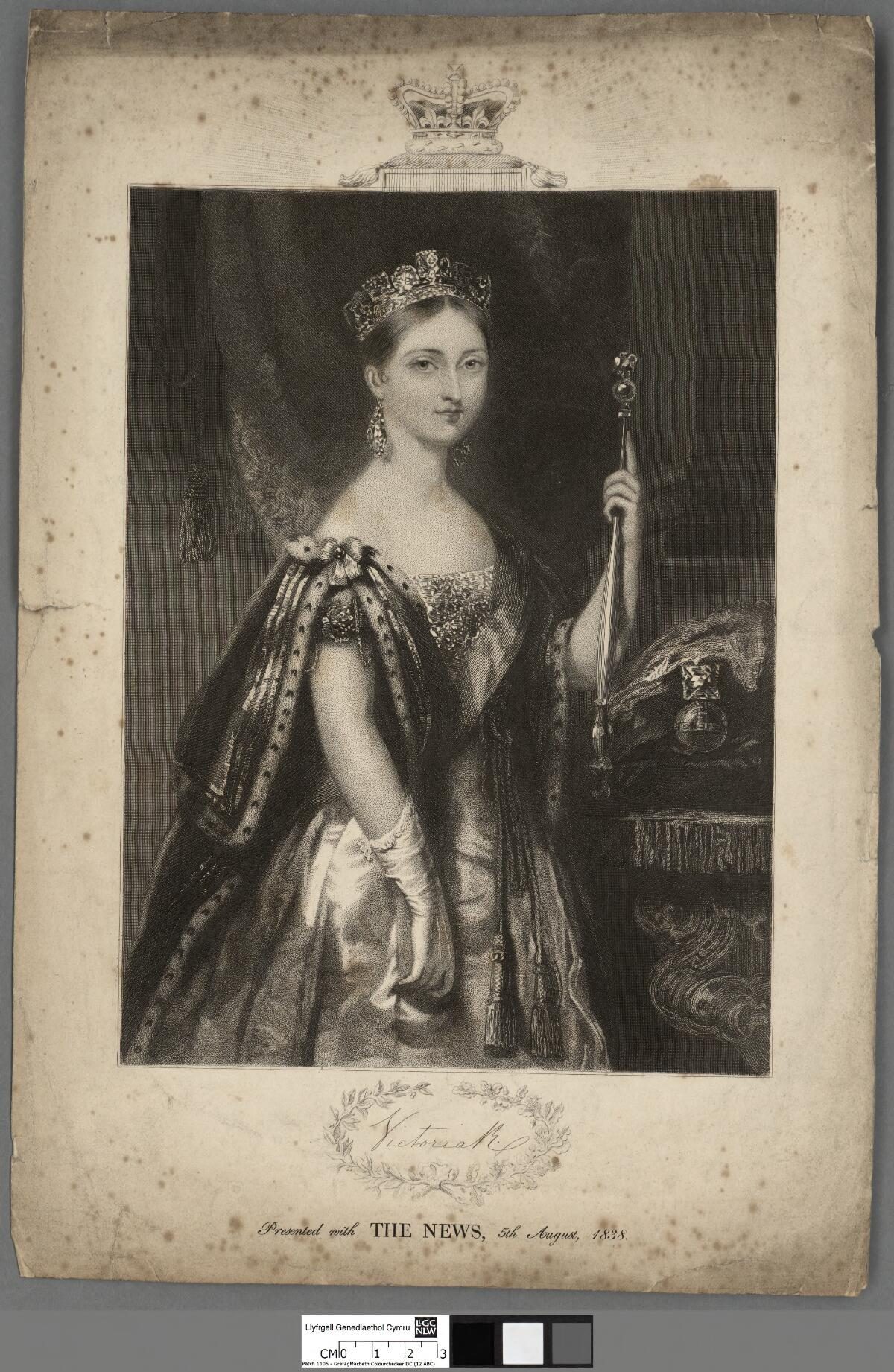
It was a crisp autumn afternoon in 1839 when the young Queen Victoria, just twenty years old, took an unprecedented step that would echo through history. She was deeply in love with her cousin, Prince Albert of Saxe-Coburg and Gotha. The very fabric of royal protocol, however, dictated that no man could propose to a reigning queen. In a daring and heartfelt move, Victoria discarded centuries of tradition and chose to propose to Albert herself. This bold act wasn't merely one of passion but a testament to her strength as a monarch who knew her heart and her duty.
The Game of Thrones and Heartstrings
In the days leading to that memorable proposal, Kensington Palace was abuzz with a unique mix of political intrigue and personal longing. As Queen of the United Kingdom, Victoria's marriage was more than a personal affair; it was a matter of state. Not only did her choice of husband have potential political repercussions, but it also set a precedent for how future queens might navigate the delicate balance between love and duty.
Victoria's court was a microcosm of the British Empire, its members each with their own interests and agendas. Her suitors brought with them alliances and opportunities, but no one captured her heart quite like Albert, her cousin, and confidant. Their bond had intensified since their first meeting as teenagers at Kensington Palace and had grown over time through letters and shared moments.
The Secret Proposal
On October 15, 1839, Victoria invited Albert to her private apartment in Windsor Castle. Her heart must have raced as she prepared to break with tradition. In a setting that was both intimate and monumental, she asked for his hand in marriage. It is said that her proposal moved Albert to tears, a tender reflection of his mutual affection and perhaps relief at a happy resolution to weeks of uncertainty.
The purity of their love shone through in their emotions. Nearly overcome, Victoria held herself with the poise expected of a queen but allowed the genuine warmth of her affection to show. This poignant moment, free from pomp and filled with raw human emotion, underscored the sincerity of their union.
A Marriage for the Ages
With the engagement official, the court quickly transitioned from whispers to celebratory preparation. The royal family congratulated Victoria on her decision, finding in Albert a man of intellect and cultural sophistication, deemed highly suitable for their beloved queen. Their impending union was heralded as the embodiment of discretion and romance, a symbol of unity that would inspire the nation.
The couple's wedding took place on February 10, 1840, at the Chapel Royal in St. James's Palace. It was a ceremony bathed in the promise of a hopeful future. Victoria donned a white dress adorned with hand-made lace, setting a trend that has continued for generations. The white gown was more than a symbol of purity; it embodied the new beginnings and optimism that their marriage represented.
A Legacy of Love and Partnership
Victoria and Albert’s marriage flourished, resulting in a deeply personal and professional partnership that produced nine children and transformed the monarchy. Together, they embraced modernization and championed the arts and sciences, leaving a lasting impact on British society.
Albert's support was pivotal to Victoria's reign; his influence was profoundly felt in matters of governance and cultural patronage. Their relationship challenged contemporary norms by presenting a new model of marital collaboration rather than competition. They navigated the complexities of their roles with grace, reminding the world that even sovereigns are, at their core, human.
Reflections in the Present
Today, Queen Victoria’s bold proposal, born of both love and duty, remains a celebrated chapter in royal history. Her decision to defy tradition reflects the enduring power of love to transform even the most unyielding customs. The Victoria and Albert story is timeless, a reminder that at the heart of monarchy are real people—feeling, loving, and striving to balance personal desires with public responsibilities.
Their legacy continues to resonate, offering an inspirational blueprint for balancing personal happiness with public service, a balance that remains as relevant today as it was then. Victoria's timeless story is a testament to the power of love to shape not only personal lives but also to leave imprints that echo through history, reminding us all of the enduring connections between the past and the present.
📷 Photo: Unknown authorUnknown author. Public domain via Wikimedia Commons.