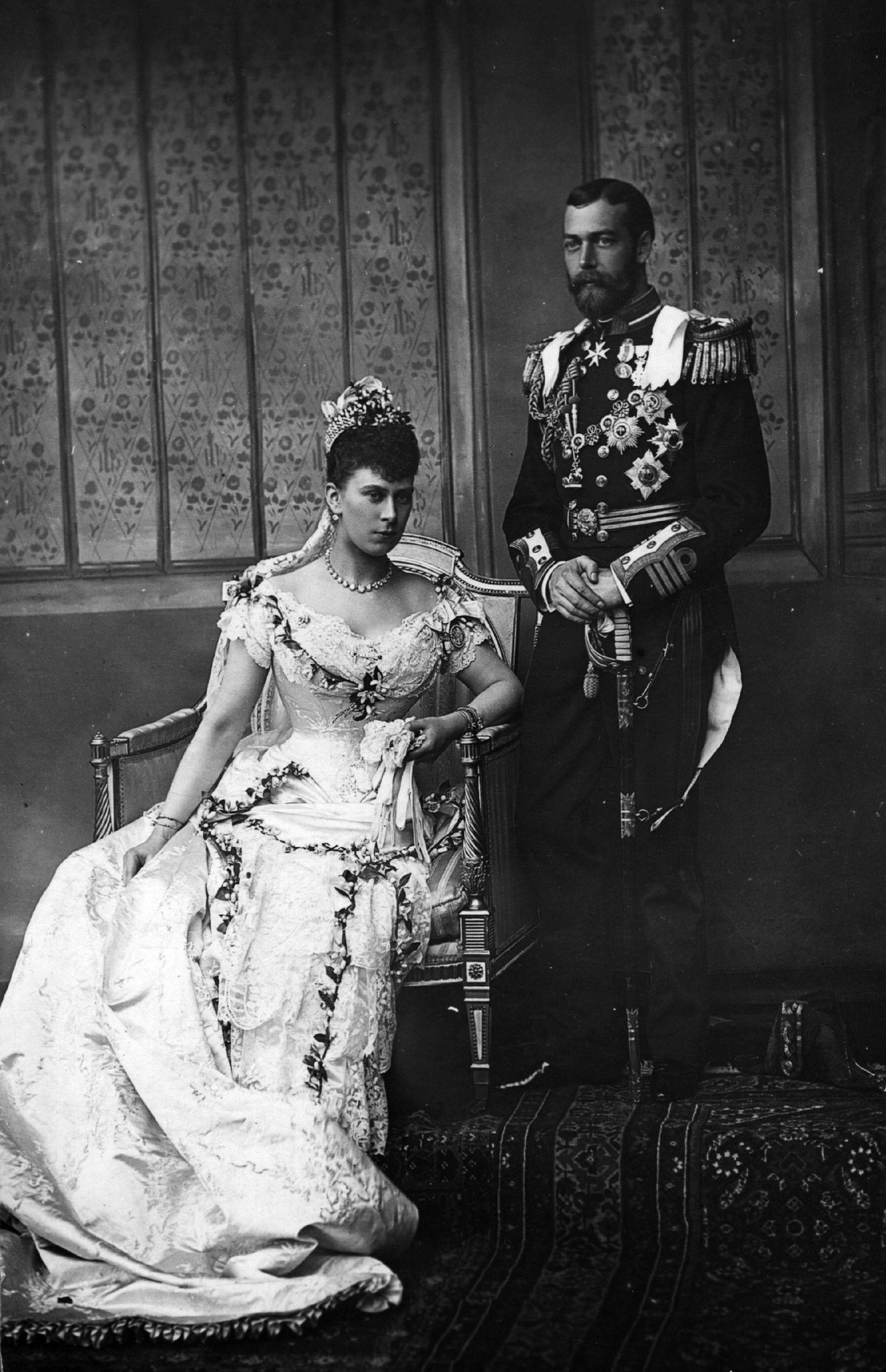
Queen Mary: A Royal Story of Quiet Courage
As the world was engulfed in the chaos of the Second World War, London bore the brunt of the Blitz—a time of destruction, loss, and upheaval. Amongst the turmoil, the British Royal Family stood as a symbol of resilience and hope for the nation. Yet, while the public gaze was fixed on Buckingham Palace and the steadfast leadership of King George VI and Queen Elizabeth, another member of the royal ensemble quietly engaged in her own battle on the home front. This is the tale of Queen Mary's secret wartime knitting, a gesture of profound compassion and quiet courage, hidden from the view of the press and public.
A Queen Mother's Private Mission
Queen Mary, known formally as Mary of Teck, was no stranger to the demands of duty and the austerity of wartime Britain. Having navigated the vicissitudes of a changing world as a queen consort and later the Queen Mother, she was the embodiment of royal dignity and steadfastness. Yet behind palace walls, away from the ceremonial duties and the formality of the court, Queen Mary embarked on a personal mission of comfort and solace. Her knitting needles clicking, not in the grand halls, but in a quiet corner, she crafted warmth and hope for young soldiers whose lives had been irrevocably altered by the horrors of war.
Despite her regal stature, Queen Mary preferred anonymity in this pursuit. She knitted in secret, and parcels wrapped with care, bearing no return address, would make their way to military hospitals across the nation. These gifts, humble in appearance yet rich in sentiment, often included sweaters, socks, and blankets—each stitch a symbol of solidarity and reassurance. The recipients, many of whom were boys far from home, never knew the identity of their benefactor. To them, these parcels were simply a reminder that they were not forgotten.
The Palace Amid the Blitz
As bombs rained down over London, Buckingham Palace itself was not spared. The palace withstood several bombing raids, a stark reminder of the fragility that loomed over even the most majestic of symbols. King George VI and Queen Elizabeth famously declared their intention to remain in London throughout the war, providing a morale boost to the city’s embattled residents. Amidst this backdrop of destruction, Queen Mary's quiet determination stood as a testament to the Royal Family’s unyielding commitment to its people.
Life at court during the war shifted focus from opulence to contribution. Rations affected the kitchens of the palace just as they did every British household. Members of the Royal Family participated in war efforts—Queen Elizabeth and young Princess Elizabeth engaged in activities to support the war, including Auxiliary Territorial Service training. Queen Mary's initiatives, though shrouded in secrecy, exemplified the same spirit of service and unity.
Anonymous Acts of Kindness
Why did Queen Mary choose anonymity? Perhaps it was her understanding of humility and the power of unseen kindness. King George VI once articulated a simple philosophy: "The true test of our spiritual life is in the matter of our inner resources." Queen Mary, in her discreet way, provided such resources to soldiers, knowing that acts of humanity do not require heraldry or recognition to be meaningful.
Her initiative was largely unknown to the public during her lifetime. It wasn't until later that these stories emerged, whispered amongst veterans who shared poignant memories of receiving unexpected gifts during their recovery. The revelations painted a portrait of a woman who understood the human cost of war and sought to ease it in whatever way she could.
Legacy of Compassion
Queen Mary's wartime knitting may seem like a simple act, but it encapsulates a profound message about leadership and empathy. In a world grappling with turmoil, her quiet actions underscored the importance of compassion and reminded Britons that even the most privileged among them were attuned to the plights of the everyday soldier.
Today, as the monarchy continues to adapt and evolve in a modern context, such stories resonate deeply. They remind us of the enduring power of small acts of kindness and the royal commitment to serving as a moral and unifying force. Queen Mary's legacy, though perhaps not widely publicized, lives on in the ethos of the royal family today—a tradition of service, humility, and unconditional support for all those who call Britain home.
The tale of Queen Mary’s clandestine knitting offers more than historical insight; it provides us with a timeless lesson that rings true as ever: Even amidst chaos, the warmth of human kindness remains an unwavering beacon of hope. As we reflect upon her deeds, we're invited to explore how we too can create moments of grace and solidarity, no matter the scale, in our own worlds.
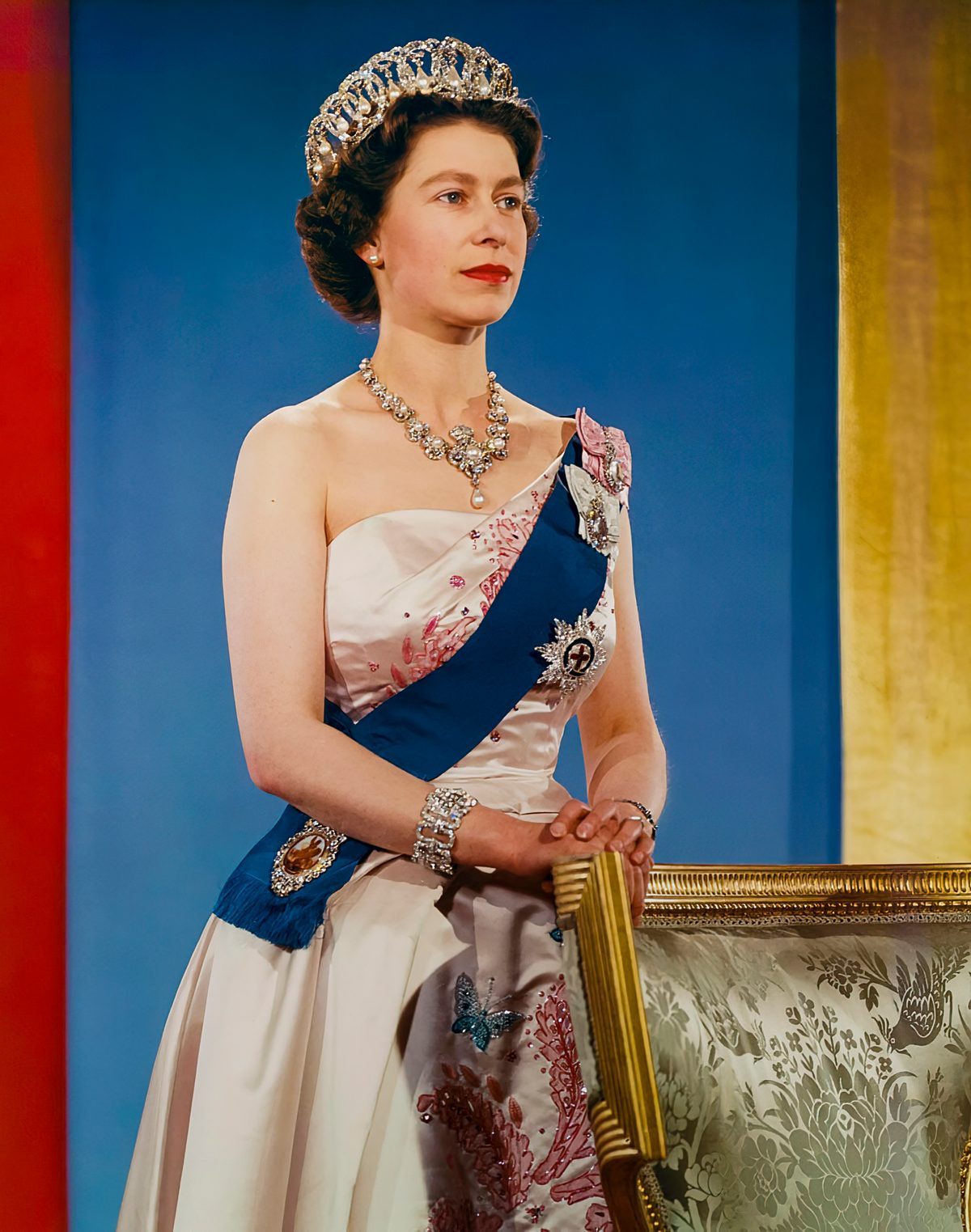
📷 Photo: W. & D. Downey. Public domain via Wikimedia Commons.