Few events capture the public's imagination like a personal correspondence from the royal family. In a world that's always been fascinated by the British monarchy, there's a particularly enchanting charm to Queen Elizabeth II’s handwritten note to a five-year-old boy back in 1969. This heartwarming tale, set against the backdrop of an expansive and often intimidating palace, brings out the human side of the Queen, reminding us that even the most powerful cultural icons appreciate a personal touch.
The Curious Inquiry of a Child
In 1969, amidst the cultural upheavals and technological shifts of the era, a young boy named Timothy Rogers from Yorkshire decided to do what few of us ever muster the courage to try: he wrote a letter to Her Majesty, Queen Elizabeth II. Most children of that age have boundless curiosity and imagination, but Timothy's thoughts turned to something poignant. He asked the Queen if she ever felt lonely living in Buckingham Palace, a residence grand beyond most people’s imaginations, yet perhaps lacking in warmth without personal connection.
This simple, sincere inquiry crossed over from a humble English town to one of the most famous addresses in the world. It was a time when handwritten letters were more common, and interacting by post with the monarchy, though rare, was a delightfully humanizing action. What Timothy didn't expect was that his letter wouldn't vanish into the abyss of royal mail but would instead find its way right to the Queen herself.
A Letter from the Palace: A Heartfelt Reply
The Queen's response to young Timothy was nothing short of extraordinary. She took pen to paper, a gesture that even then garnered significant appreciation, especially considering the deluge of correspondence Buckingham Palace regularly receives. The note arrived on official palace stationery, an unmistakable symbol of its authenticity and gravitas.
In her own elegantly crafted handwriting, the Queen assured Timothy that she indeed was never lonely, thanks to the lively company of her beloved corgis. Her signature, regal and poised, graced the bottom of the note – a personal touch that would be cherished by Timothy and his family for years to come.
For the Queen to write back personally was surely a rare privilege; for a young child to receive such a reply was almost a fairy tale. It was an acknowledgment not just of his curiosity but of his existence, and it must have been profoundly moving for both Timothy and his family. His mother, upon seeing the intricately embossed heading of the palace on the letter, was reportedly left speechless, overwhelmed by such personal royal attention.
Inside the World of Buckingham Palace
To understand the significance of this exchange, one must appreciate the life inside Buckingham Palace during those years. The palace, although a symbol of power and history, was also a home to the Queen and her young family. By 1969, Elizabeth had been serving as the monarch for over a decade and a half, and her life had been characterized by public duty and private dedication to her role as a mother and sovereign.
In her note, she referenced her corgis, the cherished breed she had adored since childhood. The Queen’s affection for her corgis was well-documented, offers a glimpse into her personal life amid the trappings of royalty. This choice detail illuminated the Queen's quieter moments at the palace. While the public appearance of the crown was one of grandeur and duty, behind closed doors, the Queen found companionship in her affectionate, albeit occasionally mischievous, canine friends.
The Enduring Legacy of a Handwritten Gesture
Decades have passed since that note was penned, yet its story resonates today as much as it did then. Queen Elizabeth’s response transcends the typical expectations of a royal interaction, showcasing her attentiveness and capacity for empathy. In modern times, the sheer idea that a world leader would take a moment to personally reply to her youngest subjects is both refreshing and inspiring.
This small fragment of royal history also underscores the timelessness of handwritten notes. Even in an age of rapid digital communication, a personalized, tangible message carries a depth of sentiment that texts and emails often cannot. The Queen’s enduring commitment to personal touch reminds us of the power of connection and human warmth, virtues she embodied throughout her reign.
Keeping the Monarchy Relevant Today
When reflecting on such delightful royal tales, it becomes evident why the British monarchy maintains a lasting and often affectionate place in the public's imagination. Stories like these humanize a centuries-old institution, infusing it with stories of real connections and warmth. In times of societal change and modern challenges, it is the humanity of the monarch that sustains public admiration.
The monarchy today continues to adapt, serving as both a symbol of tradition and modernity. By remembering Queen Elizabeth II’s personal touch, we are reminded of the importance of bridging history with the present, fostering an ongoing dialogue that assures the monarchy's place not just in history, but in the hearts of its people.
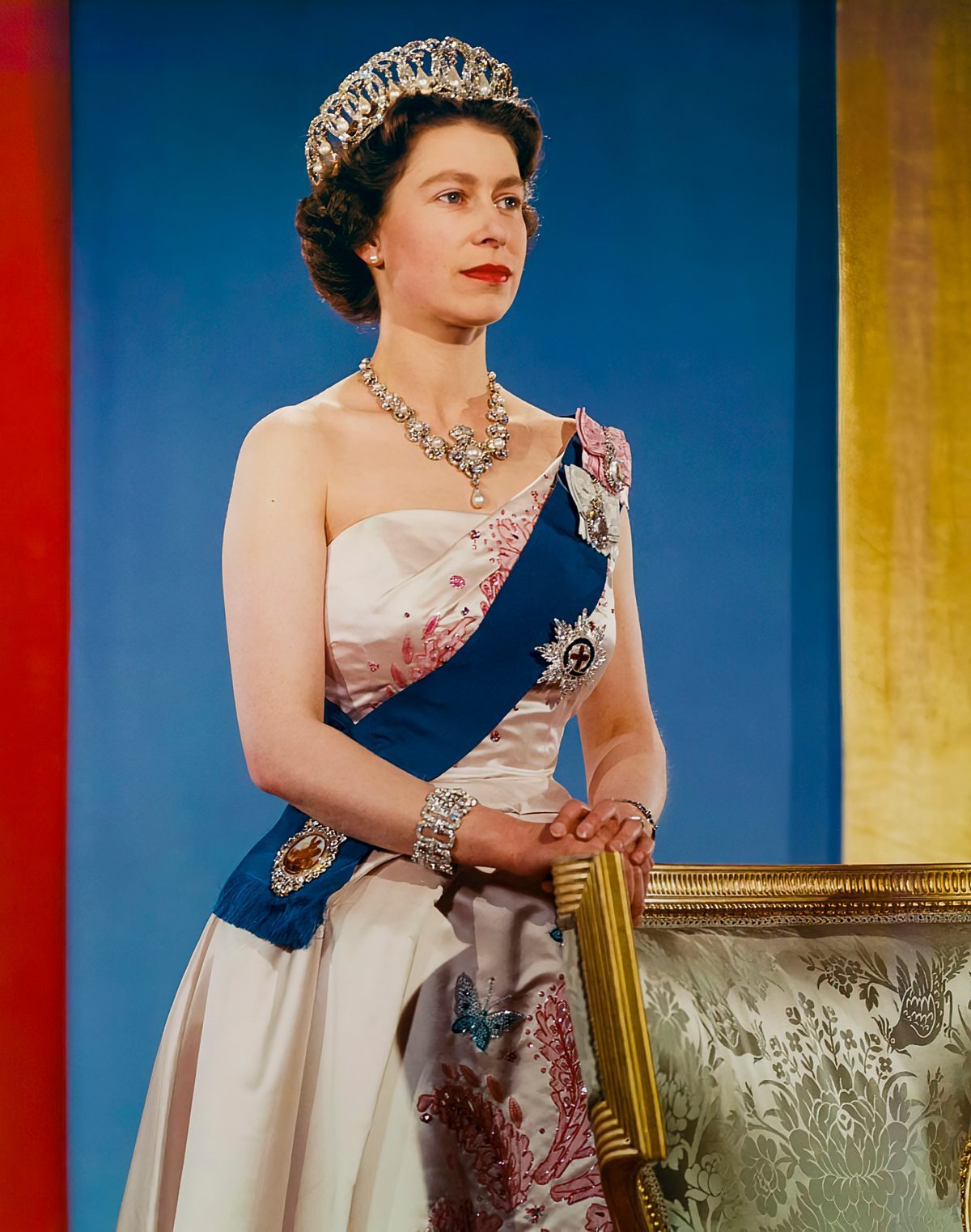
📷 Photo: Donald McKague. Public domain via Wikimedia Commons.