Queen Elizabeth II, a monarch who reigned amidst the echoes of history's grand forums, was once again at the forefront of history in the making. As she stood in Belfast's Lyric Theatre on that fateful day in June 2012, anticipation rippled through the crowd. There she extended her hand—an act simple in its naturalness, yet seismic in its implications. It was a gesture of reconciliation towards Martin McGuinness, a former IRA commander turned statesman. For four silent seconds, time seemed to halt, and the world held its breath, watching the Queen steer the ship of peace with the quiet force of her presence.
The Royal Meeting That Captured Global Attention
Throughout her reign, Queen Elizabeth II navigated the public and private avenues of royal duty with grace and dignity. She had played host to presidents and prime ministers, stood shoulder to shoulder with world leaders, and entertained the company of popes, all while under the watchful gaze of millions. Her journey, marked by both turbulent times and steadfast reign, saw her meeting countless political figures, yet few encounters held the weight of symbolism as the meeting with McGuinness.
The 2012 handshake was not a mere formality. The moment was etched into history against the backdrop of Northern Ireland's decades-long conflict and the efforts towards peace that came after. The very idea of such an encounter had once seemed improbable; a sight, not even the most optimistic peace advocates dared to envision in the preceding years.
As Queen Elizabeth II stepped forward, her presence transcended regal decorum. Her outstretched hand wasn't merely a personal gesture; it was the monarchy itself reaching out — a powerful, visible endorsement of the reconciliation process painstakingly built since the Good Friday Agreement of 1998.
Behind Palace Doors: The Queen's Role in Peace
Within the walls of Buckingham Palace, the Queen's role extended beyond ceremonies and public appearances. Her extensive knowledge of political landscapes, particularly in the Commonwealth realms and Northern Ireland, was both an asset and a beacon that helped guide her decisions as sovereign. The Queen had witnessed and lived through the Troubles, a conflict spanning over three decades, marked by turmoil and heartbreak.
While publicly impartial, the Queen's support for the peace process in Northern Ireland was evident in her carefully chosen engagements and words, crafted with meticulous consideration. The handshake in 2012 was the culmination of years of patient diplomacy, reinforcing the importance of healing and unity.
It's said that behind closed doors, Queen Elizabeth II was deeply aware of her role in fostering peace and was keenly interested in the stories of those impacted by the conflict. Her decision to meet with McGuinness was a significant step, illustrating her unwavering commitment to reinforce the peace that many had fought and suffered for.
The Human Stories Tied to the Gesture
The handshake in Belfast represented more than political symbolism; it was a testament to the human capacity for change and forgiveness. Martin McGuinness, once considered a revolutionary figure by the British, had transformed into a politician who now advocated for peace. Likewise, Queen Elizabeth II, viewed by some in Ireland as a symbol of British authority, stood as an emblem of unity and continuity.
Their meeting was emblematic of the larger reconciliation sought by communities divided by decades of conflict. For those gathered at the Lyric Theatre and for audiences around the world, the moment embodied hope—a hope for a new chapter of mutual understanding and cooperation.
Though history often focuses on the grandeur of events, it is the personal courage of individuals, often behind the scenes, that drives meaningful change. Both the Queen and McGuinness approached the meeting with an openness that highlighted their shared commitment to peace, showing that even those with seemingly irreconcilable pasts could find common ground for the future.
A Lasting Legacy of Reconciliation
Queen Elizabeth II's handshake with Martin McGuinness left an indelible mark on the landscape of international diplomacy. While the moment was brief, its significance reverberated across generations, reinforcing the role that symbolic gestures play in the art of statecraft.
The legacy of that handshake serves as a reminder that the British monarchy, with its centuries of tradition and history, possesses a unique power to bridge divides through thoughtful, symbolic acts. As we look back on Queen Elizabeth II's extraordinary reign, this act of reconciliation stands out as a testament to her dedication to peace, her profound understanding of her role as monarch, and her unwavering commitment to fostering a world where past conflicts become platforms for building a harmonious future.
Today, the story of that handshake is retold not just as a moment in history but as an enduring message of hope and unity that transcends borders and generations. It serves as a beacon, illuminating the capability of the British monarchy to adapt and lead with empathy and understanding, ensuring that the stories of reconciliation continue to inspire and guide us towards a future of peace and unity.
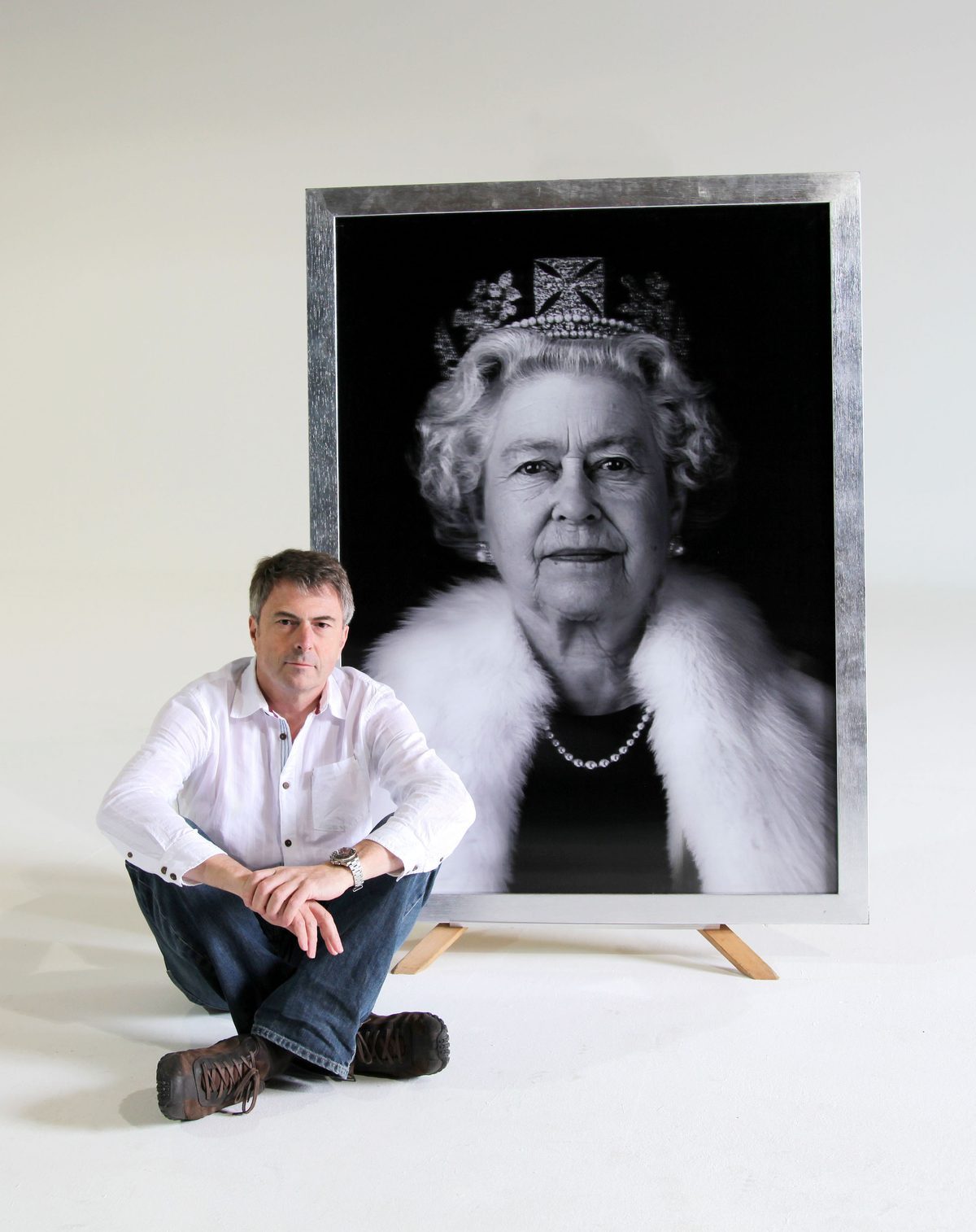
📷 Photo: RAMUNDAY. CC0 via Wikimedia Commons.