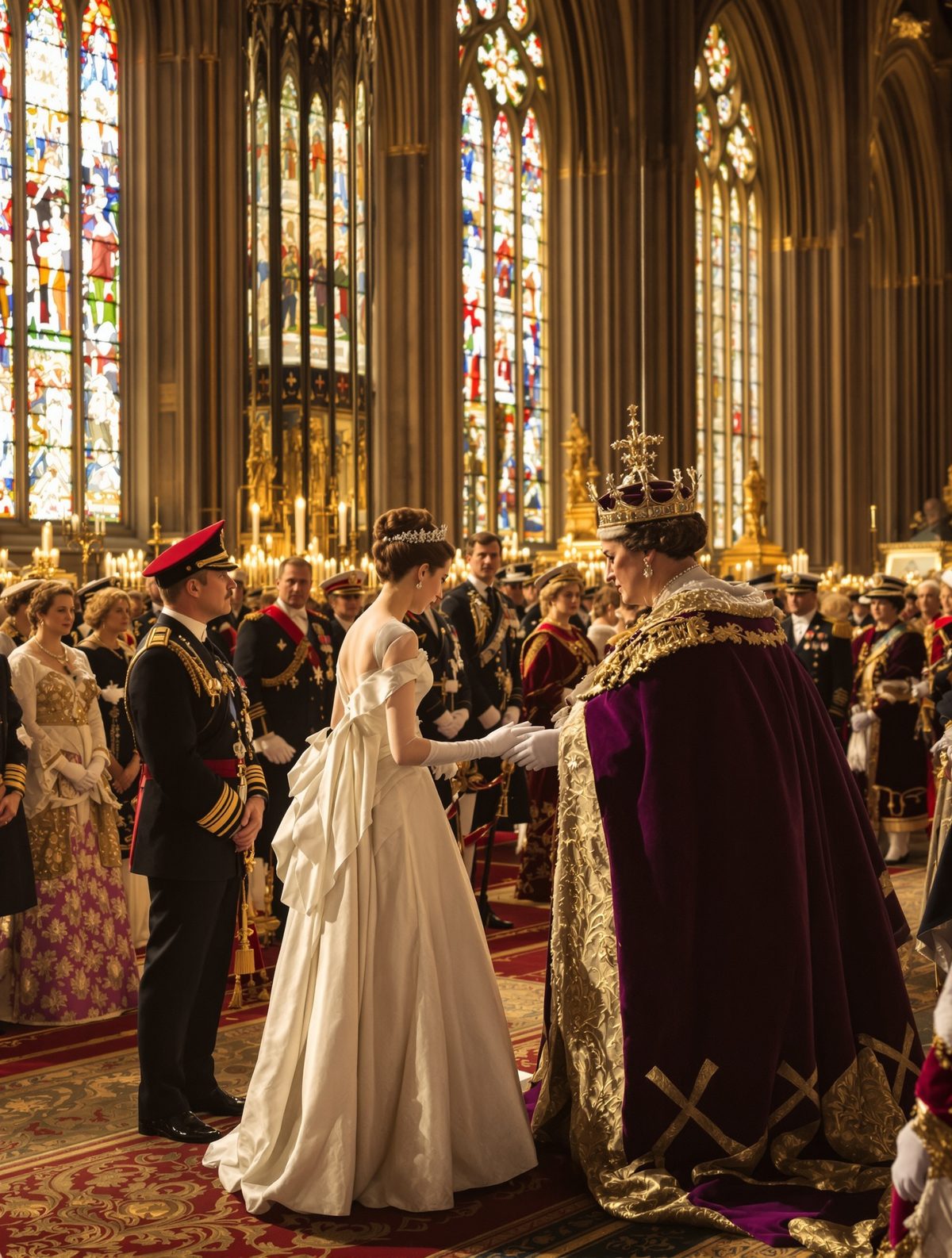
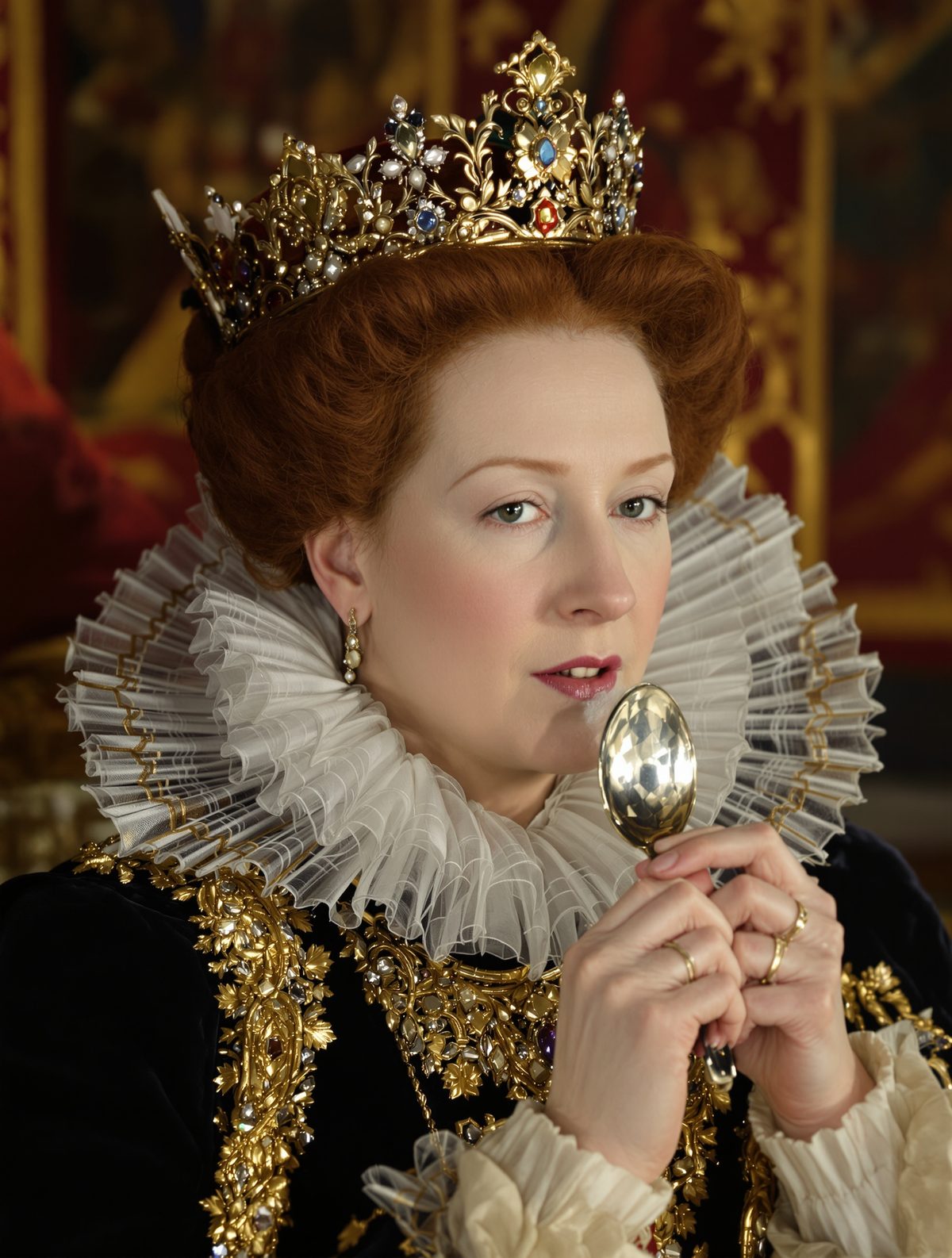
In the glittering halls of Greenwich Palace, where courtiers draped themselves in silk and pearls, Queen Elizabeth I harboured a secret that would have shocked her subjects. The Virgin Queen, who commanded the seas and conquered the Spanish Armada, had fallen victim to an enemy far sweeter and more insidious than any foreign power. Sugar—that precious white crystal more valuable than gold itself—had become her downfall, transforming England's most celebrated monarch into a woman whose smile could terrify foreign ambassadors and whose breath spoke of decay rather than the honeyed words of diplomacy.
As Elizabeth aged into her sixtieth year during the 1590s, visitors to her court began to whisper about a disturbing transformation. The queen who had once dazzled with her wit and beauty now covered her mouth when she laughed, and her legendary charm was increasingly overshadowed by a shocking physical reality that no amount of royal finery could disguise.
When Sugar Was Liquid Gold
To understand Elizabeth's tragic relationship with sugar, one must first grasp just how extraordinary this substance was in Tudor England. In the late 16th century, sugar arrived in England as white, crystalline treasure from distant Caribbean plantations. A single pound could cost more than a working man's monthly wages, making it the ultimate luxury—a symbol of power, wealth, and sophistication that only the very elite could afford to enjoy daily.
The queen's sweet obsession began innocently enough. Like many wealthy Tudors, Elizabeth had developed a taste for sweetmeats—elaborate confections made from fruits preserved in sugar, marzipan sculptures, and candied flowers that adorned her royal table like edible jewels. These weren't merely desserts; they were artistic masterpieces crafted by skilled confectioners who spent days creating sugar palaces, mythical beasts, and heraldic symbols that proclaimed the Crown's magnificence.
But what began as courtly indulgence gradually transformed into something far more compulsive. Contemporary accounts suggest that Elizabeth consumed sugar not just at formal banquets, but throughout her daily routine. She sweetened her wine, her morning ale, and even sprinkled the precious crystals directly onto her tongue between meals—a habit that would prove catastrophically destructive to her health.
The Horrifying Transformation
By the 1590s, the effects of Elizabeth's sugar consumption had become impossible to hide. Foreign ambassadors and visiting dignitaries, expecting to encounter the legendary beauty who had captivated Europe for decades, instead found themselves face-to-face with a monarch whose smile revealed a mouth full of blackened, rotting teeth.
The German lawyer Paul Hentzner, who visited Elizabeth's court in 1598, documented what he witnessed with barely concealed shock. He noted that the queen's teeth were "very yellow and unequal," and contemporary sources suggest this was actually a diplomatic understatement. Other accounts describe teeth so blackened by decay that they resembled charcoal, with several gaps where teeth had fallen out entirely or been extracted by the royal physicians.
Perhaps even more disturbing than the visual impact was the smell. Courtiers learned to position themselves strategically during royal audiences, as Elizabeth's breath had become a powerful reminder of the rot consuming her mouth. The woman who had once charmed suitors with her melodious voice and sparkling conversation now spoke through lips that barely parted, conscious of the horror that lay behind them.
The irony was not lost on those close to the queen. Here was a monarch who spent fortunes on elaborate gowns encrusted with pearls and precious stones, who maintained one of the most sophisticated beauty regimens in Europe, yet whose smile had become her greatest source of shame. Elizabeth, ever conscious of her image and the power of royal presentation, began to develop new mannerisms designed to hide her deteriorating dental condition.
The Court of Sweetened Secrets
Despite the obvious consequences, Elizabeth seemed powerless to curb her sugar addiction. Court records reveal enormous expenditures on confectionery supplies, with the royal kitchens ordering sugar by the barrel. The queen's ladies-in-waiting became accomplices in her sweet obsession, ensuring that her private chambers were always stocked with candied violets, sugar plums, and other delicacies that she could consume away from public view.
The royal physicians, those brave souls tasked with maintaining the queen's health, found themselves in an impossible position. They understood that sugar was destroying Elizabeth's teeth and likely affecting her overall health, but how does one forbid the Queen of England her greatest pleasure? Some attempted to suggest moderation, but Elizabeth was notoriously stubborn about matters she considered personal choices rather than affairs of state.
Dental care in the 1590s was primitive at best, consisting mainly of tooth extraction when pain became unbearable. The queen's doctors could offer little beyond herbal rinses and prayers, watching helplessly as one of history's greatest monarchs slowly poisoned herself with her own indulgences. The gap between royal power and human vulnerability had never been more starkly illustrated.
Courtiers learned to navigate this new reality with typical Tudor adaptability. Conversations were conducted at strategic distances, and the queen's famous temper—perhaps exacerbated by constant dental pain—required even more careful management than usual. Yet through it all, Elizabeth continued to rule with the iron will that had defined her reign, refusing to let her physical deterioration undermine her political authority.
The Slow Poison of Privilege
Modern medical understanding reveals just how dangerous Elizabeth's sugar consumption truly was. Beyond the obvious dental devastation, her daily intake of sugar was likely affecting her entire system. Contemporary accounts describe periods of unusual fatigue, sudden mood changes, and what we might now recognize as the energy crashes associated with sugar addiction. The queen who had once danced until dawn at court celebrations increasingly withdrew from such activities, citing various ailments that may well have been connected to her dietary habits.
The tragedy extended beyond personal health. Elizabeth's sugar obsession represented a broader pattern among the Tudor elite, who equated expensive foods with status and sophistication. Sugar had become not just a treat, but a symbol of England's growing wealth and international reach. To consume it lavishly was to demonstrate the nation's prosperity and the Crown's magnificence.
Yet this very symbol of success was slowly destroying the monarch who embodied England's golden age. The queen who had survived assassination attempts, political conspiracies, and foreign invasions was being defeated by something far more subtle but equally deadly. Each spoonful of sugar represented both triumph and tragedy—England's ability to command the world's luxuries, and the human cost of that very power.
The royal court, that glittering stage where every gesture carried political meaning, became a place where Elizabeth's greatest vulnerability was hidden behind increasingly elaborate makeup, carefully positioned lighting, and the unspoken agreement of courtiers to pretend they noticed nothing amiss. The Virgin Queen's secret shame became the court's collective burden, a reminder that even absolute power cannot overcome the laws of human biology.
Elizabeth I's sugar addiction offers a strikingly human glimpse into the life of one of history's most formidable rulers. In an age when we debate the health impacts of processed foods and sugar consumption, her story resonates with surprising modernity. The queen who commanded navies and shaped nations fell victim to the same temptations that challenge ordinary people today—the immediate pleasure that comes with devastating long-term costs. Her blackened smile serves as a poignant reminder that power, wealth, and royal blood offer no protection against the consequences of our most personal choices. Perhaps that's what makes Elizabeth I so enduringly fascinating: she was simultaneously the Virgin Queen of legend and a very human woman who simply couldn't resist one more sweetmeat, even as it slowly destroyed her from within.