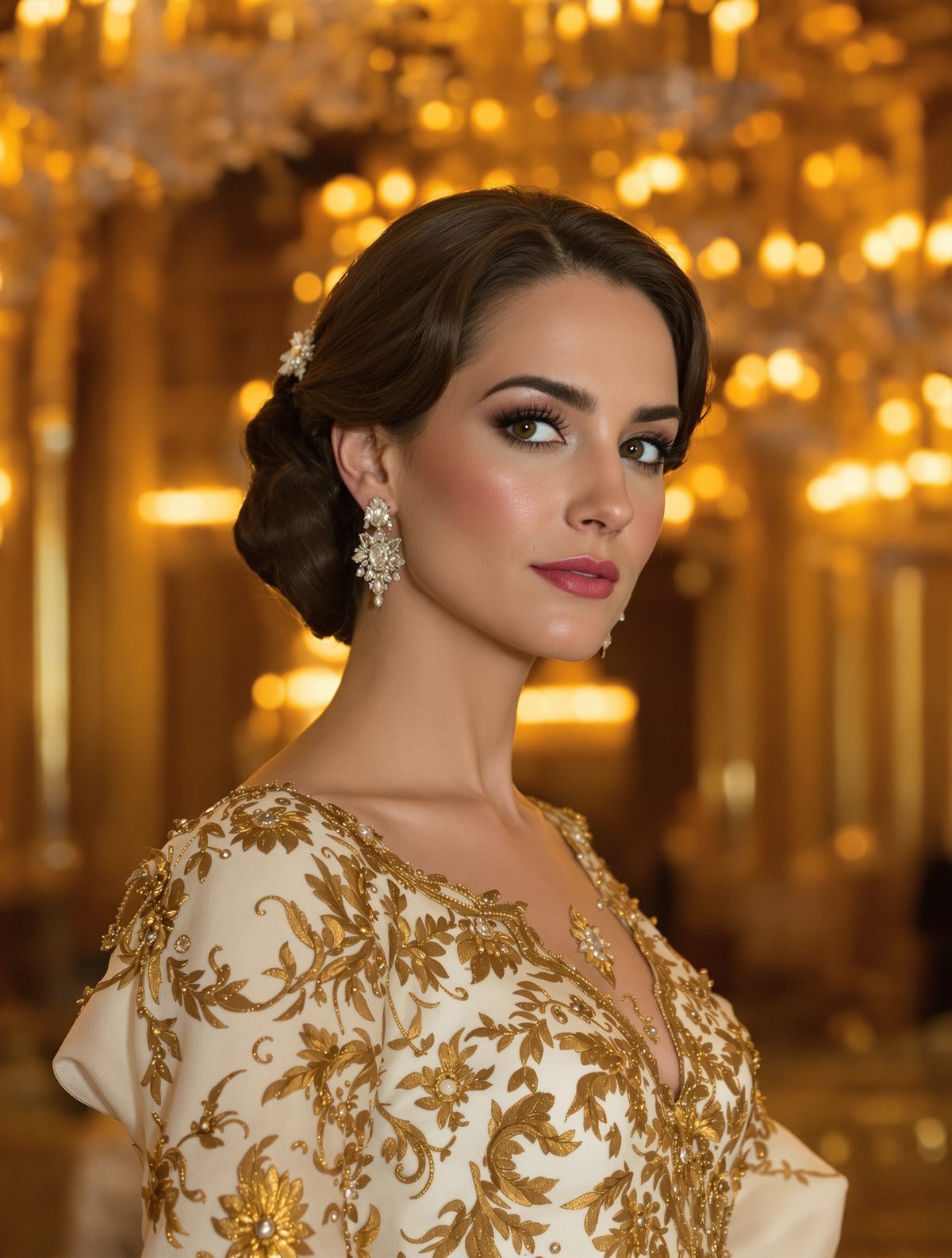
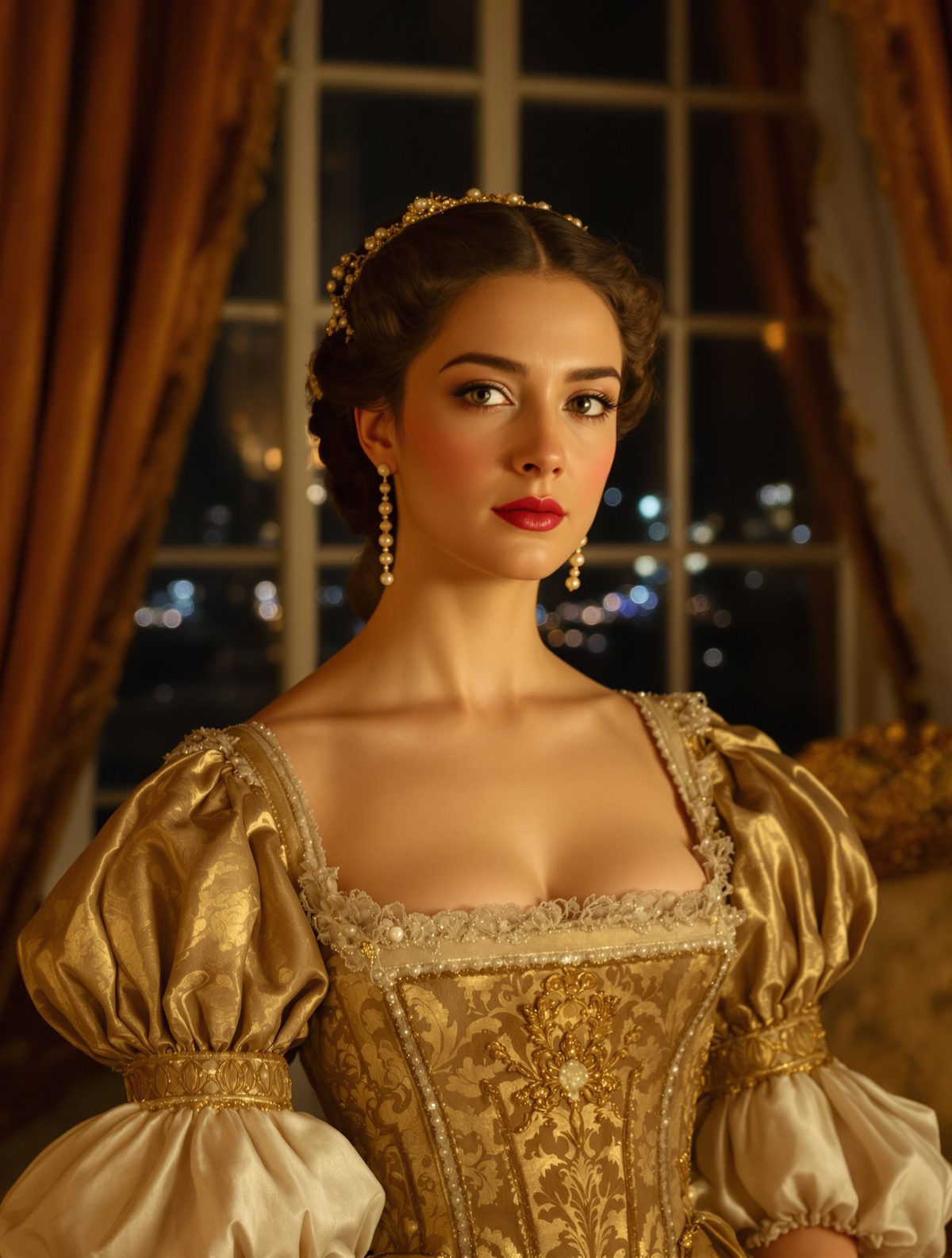
The ship carrying Charlotte of Mecklenburg-Strelitz docked at Harwich on a misty September morning in 1761. A seventeen-year-old girl stepped onto English soil for the first time, knowing that the shores she trod would quickly become the center stage of her life. Her mission was enormous: she was to marry King George III, a man she had never met, and become Queen Consort of Great Britain. Before even getting the chance to unpack her trunks, she was whisked away to London, where her marriage awaited mere hours after her arrival. Though daunting, this was only the beginning. Ahead lay her greatest challenge yet: she would soon stand before the entirety of the British court under the hallowed ceiling of Westminster Abbey. But first, she would practice alone, in the quiet sanctuary of her private chamber, perfecting the elegant and demanding bow she would make during her coronation. This intimate ritual reveals the strength of spirit and resolve that marked Queen Charlotte’s reign from its very outset.
Meeting the King
Arriving at the grand court of St. James's Palace must have been a whirlwind for Charlotte. The palace, a masterpiece of Tudor architecture, whispered histories of grandeur and challenges alike. Gathered under its richly adorned ceilings were noblemen, ladies, ambassadors, and a flurry of courtiers, each awaiting the entrance of this young bride from the small, obscure duchy in northern Germany.
With the pomp and circumstance that only royalty can command, she was introduced to her soon-to-be husband, King George III. He was a young king of just twenty-two, himself on the verge of a new chapter. The brief ceremony unfolded with both the urgency of state necessity and the ceremonial splendor reserved for such august occasions. Had there been moments of awkwardness or warmth between the pair? History offers only glimpses—records noting their compatibility and mutual respect in the years that followed. Yet, as Charlotte stood by her new husband, every eye in the room evaluating her grace and poise, she held her head high, a symbol of the steadfastness she would later come to embody.
The Secret Practice
While Charlotte's lack of fluency in English could have been a barrier, it seemed to magnify her determination. Missteps at court were not an option for someone who was under the magnifying glass from the moment she arrived. The night before her lavish coronation ceremony at Westminster Abbey, Queen Charlotte retreated into solitude for quiet preparation in her new residence.
Though her formal education had not been extensive, Charlotte understood the importance of her role. She spent hours rehearsing her coronation bow, focusing intently on the fluidity and grace expected of a queen. Charlotte was acutely aware that her curtsy, a simple gesture loaded with tradition, would soon serve as a visual representation of her new-found status and, ultimately, her acceptance by her new subjects.
In the dim quietude of her personal chambers, with the flickering glow of candlelight casting tall shadows, Charlotte practiced. The deep bends and elegant sweeps of the curtsy became a ritual of empowerment, her will embodied in each disciplined gesture. Her resolve to perfect this royal tradition was emblematic of the courage that characterized her life and reign.
The Coronation
September 22, 1761, dawned crisp and clear, filling the streets of London with anticipation. Westminster Abbey, standing as the implacable heart of the city, was bedecked in the finest banners and colors for the coronation of their queen. Every seat was filled to bear witness to this ascendancy, a rare pageantry, rich in spectacle yet profound in its historical resonance.
As Charlotte entered the grand abbey, she was enveloped by the echoes of choral hymns, her steps measured, her face a portrait of composure. Tradition surrounded and scrutinized her every move. The bow she had rehearsed became a vivid articulation of both humility before her new nation and the quiet strength that would carry her through her reign. As Charlotte genuflected before George, the abbey fell hushed, their future queen delivering an unspoken promise beneath its arches.
Charlotte’s coronation bow, so meticulously crafted in solitude, was a beginning—a gateway to the duties and challenges of a lifetime spent in the public eye. It was her introduction not only as a queen but as a figure of unity and grace.
The Legacy of Charlotte
Throughout her life, Queen Charlotte defied the limitations of the age with confidence and dignity. An enthusiastic supporter of the arts and sciences, she established a legacy that was as intellectual as it was cultural. Her support for botanical gardens and institutions like the Foundling Hospital underscored a commitment to the advancement of learning and health.
However, her legacy extends deeply into personal realms as well. Charlotte and George’s partnership yielded fifteen children, establishing the family line that underpins Britain’s modern monarchy. Her compassionate nature and sense of duty were imprints upon her children, instilling values that echoed through generations.
Charlotte’s time spent practicing her coronation bow is a symbol of her dedication and completion of duty that she brought to every aspect of her role. That evening spent alone in preparation is a testament to her understanding that the monarchy was not just an institution but a profound responsibility—a trust placed upon her shoulders that required fortitude in both public and private arenas.
A Royal Connection
The story of Queen Charlotte’s quiet rehearsal in the shadows of her bedroom more than two centuries ago serves as a poignant reminder of the human aspect behind the crown. It tells us that even amidst the unparalleled pomp of courtly life, the essence of leadership is often found within personal courage and resilience.
Today’s royal family continues to find itself in the constant gaze of the public, balancing tradition with the modern era’s shifting dynamics. Yet, Charlotte’s legacy of understated strength and commitment offers a timeless reflection for anyone navigating the waters of public responsibility.
The monarchy she helped shape remains a cherished institution, one whose roots are graced by the elegance and quiet strength of queens like Charlotte. Her story is a gentle yet profound echo, a reminder of the quiet courage that often resides beneath crowns. So, the next time you glimpse a bow or an act of royal duty, consider its deeper story—a tale that reaches across centuries, carried forward by the resolute spirit of a young German princess who dared to step forth and serve as queen.