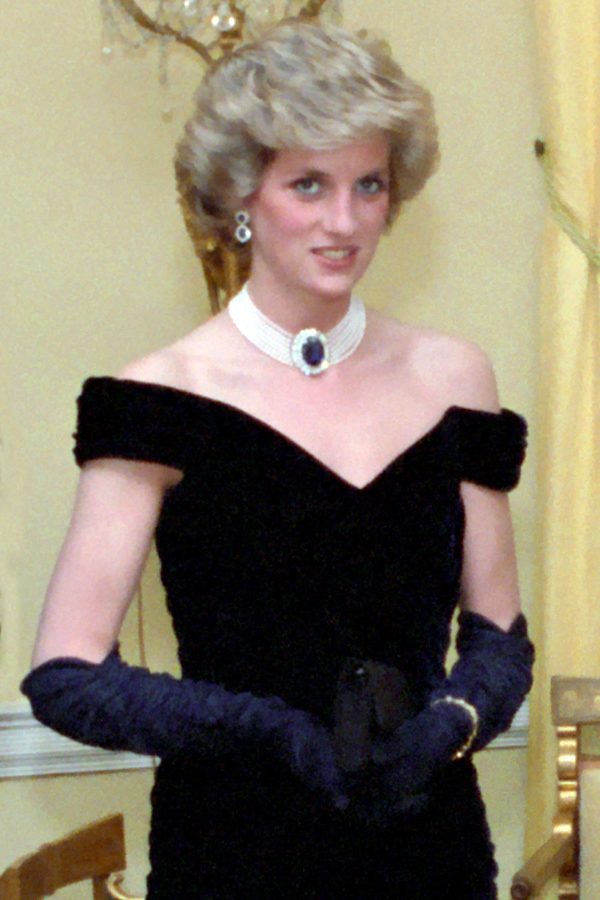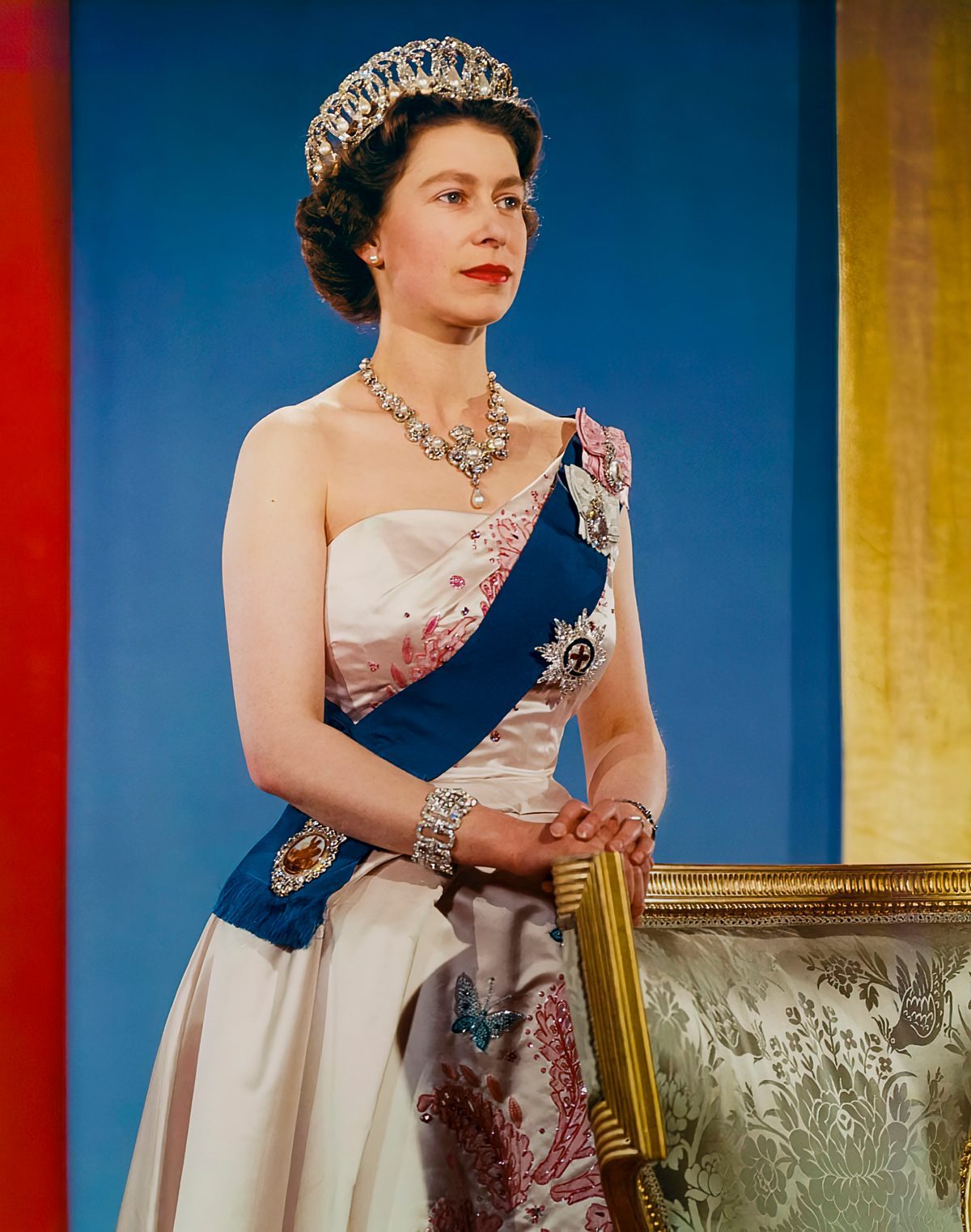
On a crisp November evening in 1995, amidst the glowing city lights of New York, one of the most photographed women in the world captured the spotlight without uttering a single word. She was Princess Diana, the "People's Princess," entering the Council of Fashion Designers of America awards, and what unfolded next became a landmark moment in royal fashion history. Diana, draped in an elegantly simple yet audacious slip dress designed by her trusted fashion confidante, Catherine Walker, redefined the very notion of a royal's public appearance. It was a statement of independence and personal empowerment, encapsulated in silk and grace.
Breaking Tradition: Diana's Subtle Defiance
From the moment she stepped out of her car, it was clear that this was no ordinary royal engagement. Traditionally, a member of the British monarchy attending a high-profile event would present themselves wrapped in the emblems of their noble stature—perhaps with a tiara, pearls, or an understated gown reflecting royal modesty. But that night, Princess Diana opted for something refreshingly different. The slip dress was jet-black, a color often sidestepped by royals for its association with mourning but here used by Diana to stunning effect, setting her gloriously apart in a sea of ostentation.
This wasn’t just a fashion choice; it was a deliberate departure from the confines of royal propriety. Since her separation from Prince Charles in 1992, Diana had been on a transformative personal journey. She was no longer merely part of the royal tableau; she was emerging as her own person, a global figure captivating hearts far beyond the Commonwealth. By choosing not to accessorize with traditional royal jewels, Diana sent a clear message: her identity was distinct from her role within the monarchy.
The Vision of a New Royal Wardrobe
At the heart of Diana's fashion evolution was her relationship with designer Catherine Walker, who understood and perfectly translated Diana's vision of a modern royal image. Walker, a Paris-born fashion genius, had long collaborated with the Princess since the 1980s, crafting elegant ensembles that accentuated Diana’s innate elegance while respecting her royal duties. What made Walker’s designs exceptional was her ability to balance the Princess's preferred aesthetic with the nuanced sartorial codes of royal life.
The design of the slip dress was deceptively simple, its clean lines and minimalistic form reflecting a sophistication that needed no embellishment. Silk fabric subtly hugged Diana's silhouette, conveying a modern aura of confidence without forsaking grace. The dress, flowing like liquid, contrasted sharply with the opulence typically seen at such high-profile events. It was as if the princess wore an invisible armor, its strength lying in its subtlety and the narrative it wove.
Redefining the Role of the Royal Woman
To comprehend the magnitude of Diana's sartorial choice in 1995, one must consider the context of her life at that time. A year of tumult and triumph, 1995 saw Diana boldly engaging in charity work, leveraging her royal platform to shine a light on issues close to her heart, such as AIDS awareness and the campaign against landmines. In doing so, she began to transcend her role as a divorced royal, establishing herself as a humanitarian with her sights firmly set on global change.
The choice of such a starkly modern gown was emblematic of her own transformation. Without a tiara or crown, Diana stepped into the limelight as a woman asserting her power through personal authenticity. No longer just a royal by marriage but a sovereign of the people's affection, her boldness in fashion signaled her new era—from being an emblem of British royalty to becoming a world citizen with an indomitable spirit.
The Impact Felt Beyond Fashion
What Diana achieved that night reverberated beyond the fashion circles of New York and into the global consciousness. The image of her in that black slip dress was captured by notable photographers and splashed across front pages worldwide. It became a symbol of her evolving public persona—a visual narrative that spoke of strength, independence, and a fresh chapter in her life. For many women around the globe, Diana’s sartorial statement was an affirmation of self-detachment from restrictive norms, encouraging them to redefine their own identities.
Of course, Diana's choices were not without moments of introspection and challenge. Wearing such a bold piece was a gesture of liberation but also a reminder of the complexities surrounding her status. Her wardrobe had become a canvas upon which she painted her story—of a life intertwined with royal duty yet yearning for personal fulfillment.
Remembering Diana's Legacy Through Fashion
Today, when we look back at Princess Diana's profound influence on both fashion and culture, that moment in 1995 stands out as a beacon of transformation. Her forward-thinking choices have laid the groundwork for future generations of royal women, including her daughters-in-law, who continue to draw inspiration from Diana's fearlessness in style and in her expansive role as a connector of humanity.
Diana's love affair with fashion was about more than clothes: it was a vehicle for her voice, a reflection of her evolving journey, and an ongoing dialogue between her past, present, and future. In honoring her story, we see how her fashion choices continue to inspire not just royal watchers but those who admire the courage to stand in one's truth against the complexities of expectation.
While dresses may differ, the consistent thread remains—Diana's ability to touch hearts will continue to endure, transcending time and traditions, speaking of a woman who was never just a princess, but a modern icon with a timeless legacy.
📷 Photo: L.H and H. Public domain via Wikimedia Commons.