The day Princess Diana stepped off a plane in Australia in March 1983, fashion history was crafted in a burst of radiant color. Against all advice, she chose a vibrant canary yellow dress by Bruce Oldfield, setting the stage for a moment that would weave her style indelibly into the royal fabric of history. Her choice was more than a matter of personal taste; it was a bold expression of individuality that resonated with the public, signaling a departure from the muted palettes expected of a royal. That day, the streets were lined with 300,000 people, all eager to catch a glimpse of the Princess of Wales, signaling the largest assembly for a royal visit in Australian history. Diana's arrival didn’t just turn heads; it changed the rules.
A Sunlit Vision: The Dress That Dazzled a Nation
In the sphere of royal fashion, Princess Diana’s canary yellow dress stood out like a beacon of contemporary elegance amidst the often conservative selections of the time. Designed by Bruce Oldfield, one of her favored designers, the dress was a masterpiece of bespoke tailoring. It reflected a modern sensibility rooted in tradition yet daringly flirted with change.
Before embarking on her first royal tour, Diana had been advised to adhere to a subdued color palette. Royal protocol at the time dictated modesty and restraint in public appearances, maintaining a focus on decorum and symbolism over personal expression. But Diana’s choice of canary yellow was profound — it was sunny, cheerful, and represented a new era, not only for her as a new member of the royal family but also for the monarchy in connecting with the people.
The Royal Advisors and a New Era
Behind the glittering facade of the royal family lies a network of advisors and tradition-bearers dedicated to upholding the monarchy's esteemed reputation. In 1983, as Diana embarked on this critical tour with Prince Charles, tradition was paramount. Still, there was an unspoken recognition that Princess Diana wasn’t just any new royal; she was a breath of fresh air — youthful, compassionate, and relatable.
This vibrant dress choice perhaps reflected her own internal push against the boundaries laid by tradition. Where some might have seen a flouting of guidelines, others witnessed a royal who understood the power of fashion as a tool — not just a statement — to connect more intimately with the people. Diana's sartorial sensibilities unveiled a new chapter of engagement and relatability that resonated worldwide.
The People's Princess Arrives
Canberra's autumn day seemed set alight by Princess Diana’s arrival. As she elegantly disembarked the aircraft flanked by an equally well-dressed Prince Charles, the Australian public got their first glimpse of the royal couple whose sparkling persona had already begun to capture hearts across the globe. Diana's choice to wear canary yellow was a stroke of genius in public relations. It signaled warmth, naturalness, and an approachability that defied the cool detachment traditionally associated with royalty.
More than just an aesthetic triumph, this powerful use of color struck a chord with the public. The massive gathering spoke volumes of the admiration she commanded. Her visit redefined the way the royal family was perceived — no longer distant figures of envy, but individuals to be admired and embraced.
The Significance of Being Bold
Fashion aficionados often reminisce about the ripple effects of Diana's sartorial choices, and the canary yellow ensemble marked an indelible point on that timeline. Stepping away from the expected and crafting her path, Diana showed that royalty was not synonymous with rigidity; it could embody spontaneity and reflection of the changing times.
This is where Diana’s real charm lay. Her sense of style wasn't merely a matter of elegance, but a choice of vulnerability, making her relatable to millions. Each outfit, each public appearance, was a calculated dance between adhering to royal expectations and showcasing a modern, empathetic human being behind the tiaras and titles.
An Icon's Legacy in Fashion and Beyond
Princess Diana’s audacity in fashion extended beyond mere garments; it helped redefine the public's relationship with the monarchy. Her choices inspired a form of royal storytelling that was as much about aesthetics as it was narrative. As a style icon, she opened a door for future royals to express individuality and engage in cultural dialogs through fashion.
Diana's legacy is evident today in the embrace of more vibrant colors, bolder statements, and personal expression within the royal wardrobes, carried forth by the next generations. She paved the way for her sons and their families to engage with the public on their terms, creating bonds that honor tradition while embracing modern sensibility.
In hindsight, the canary yellow dress was more than just a piece of cloth; it was emblematic of a shift — an invitation for the world to see the monarchy not just as sovereigns, but as individuals of style, grace, and humanity.
The Echoes of a Yellow Dress
In the years since that tour in 1983, Diana's choice in attire has remained a notable reference point in discussions of royal fashion evolution. It serves as a reminder of the power of bold choices and the ability to connect across continents and cultures. As we reflect on Diana’s immeasurable impact, we see that her fashion choices tell a story that transcends time, illustrating that courage — even in the form of a simple dress — can indeed change everything.
Today, in a world continually fascinated by the British monarchy, Diana’s spirit of embracing change and individuality continues to inspire. Her legacy lives on, proving that true glamour doesn’t merely lie in how one dresses but in how one’s choices speak for generations to come.
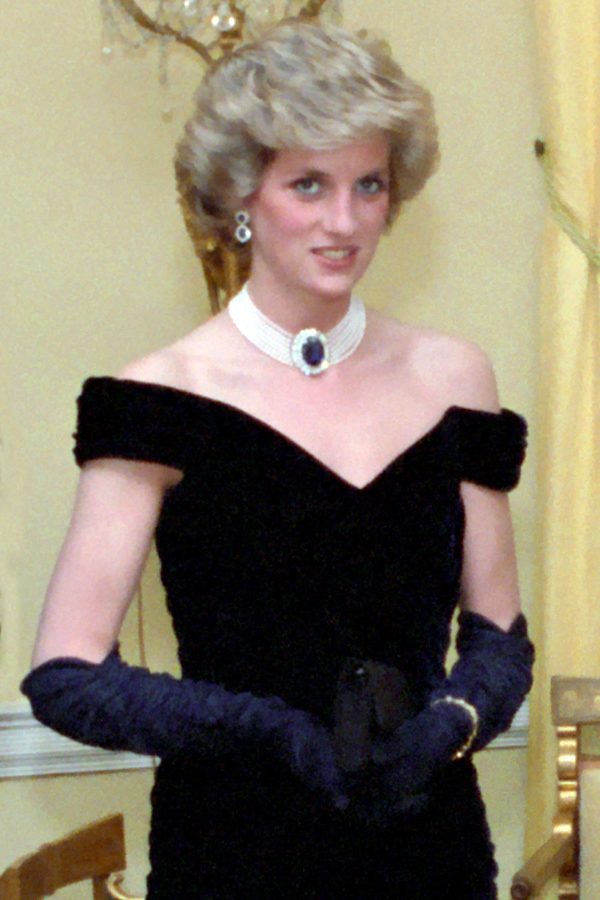
📷 Photo: White House photographer. Public domain via Wikimedia Commons.