
On a brisk day in 2013, Prince William was deep into a meticulously scheduled visit to a children's hospital. Every moment was choreographed; every detail had been planned for weeks by a team of aides ensuring nothing was left to chance. The plan was simple: thirty minutes of smiles and formalities, a tight timeline honored in respect for the young patients and their weary families. Yet, as the Duke of Cambridge made his way through the corridors, a quiet act of compassion unfolded—unplanned, unphotographed, and unforgettable.
The Royal Visit Begins
Royal visits come with great anticipation and intricate planning, rising to a crescendo of cameras flashing and curious gazes. A visit from Prince William, second in line to the British throne, was no exception. Set against the backdrop of a modern, bustling children's hospital, the day was filled with staff hustling to make this royal interaction a memorable one. Journalists were briefed and positioned. Nurses double-checked rooms. Parents prepared for their children to be met by a prince, if only for a fleeting moment.
The young heirs of Britain's monarchy have often distinguished themselves by their willingness to break from tradition. Encouraged by their mother, the late Princess Diana, both Prince William and Prince Harry learned early on the power of personal connection in revealing the monarchy’s human side. William's visit was designed to open the doors of empathy and reassurance to families facing the daunting specter of illness.
Spotting the Unseen
As he moved gracefully from room to room, Prince William exuded warmth and genuine interest, characteristics that had already endeared him to many. But it was not until he found himself walking past a side room that the day's protocol would be gently, quietly rearranged. Inside, he noticed a young boy sitting alone—no family, no friends, just a vigilant nurse bustling nearby.
A gentle nudge from this nurse hinted that the Prince should carry on with his planned route. Undeterred, William felt an undeniable tug at his heart. Ignoring the tick-tock formality of the visit, he silently slipped away to pull up a chair beside the boy, engaging him in conversation that only the wall echoed back. No cameras would capture this meeting, no photographs would mark it for posterity. What unfolded was a brief exchange of kindness and solace, unandorned by the world outside that thrummed with royal excitement.
A Personal Touch
For forty minutes, the plan stopped. Prince William sat shoulder to shoulder with this young patient, conversing about anything that would bring a flicker of light to a challenging chapter in a young life. Such moments encapsulate the very essence of royalty that the British public holds dear—compassion and an understanding of the strength found in small gestures.
Although the world may never know the precise topic of conversation that afternoon, it's not hard to fill the gaps with stories of racing cars, dreams, heroes, and happier times, for such are the stories that young boys tend to tell.
The width and breath of William's presence were felt long after he departed. Nurses later confided that the boy’s spirit seemed lifted, the room brightened by his rare and royal visitor's attention. In the eyes of the caretakers and the child, William revealed an understanding not dependent on royal duty but borne of the compassion shared by his late mother, Diana.
A New Generation of Royals
Prince William’s touching act at the hospital wasn't just about the moment; it articulates a broader narrative about the monarchy's evolving role. No longer content with bowing from balconies or cutting ribbons, modern royals such as William use their platform to address quieter, seldom-told plights. They're visible and approachable, their work a potent counter-narrative to the sometimes abstract perceptions of royal life that exist.
Stepping into his father’s shoes, Prince William embodies a continued legacy of accessibility and compassion rendered so memorably by Diana. His actions are indicative of a new royal ethos—one that listens, pauses, and sees beyond ceremony and pageantry.
It was just another day in the life of Prince William, but one that left an indelible mark. As he parted with his quiet friend for the assembled entourage waiting in the wings, the impact of human connection lingered behind. It was a poignant reminder that amid the grandeur and responsibility of monarchy, the heart of the matter can unfold in the simplest, most unanticipated of ways.
The Royal Legacy, Ever Growing
The monarchy today stands as a beacon connecting past with present, a dynasty interwoven with acts both grand and understated. Prince William's quiet deed, marked only by the fleeting touch of an unseen observer, speaks to an enduring mission of compassion that becomes his life story, embodying a tradition of service that resonates deeply with the public.
As time moves forward, such moments serve as gentle reminders of the profound influence the royals exert, not through words spoken at grand events or portraits painted on canvases aged by time, but within the walls of a hospital room, under the twinkle of a child's admiring gaze.
William's true legacy echoes in these acts. In a room without cameras, where duties pause for heartbeats of pure humanity, we catch writing not of burden, but of prevailing kinship—a royal past that continues to enlighten and inspire.
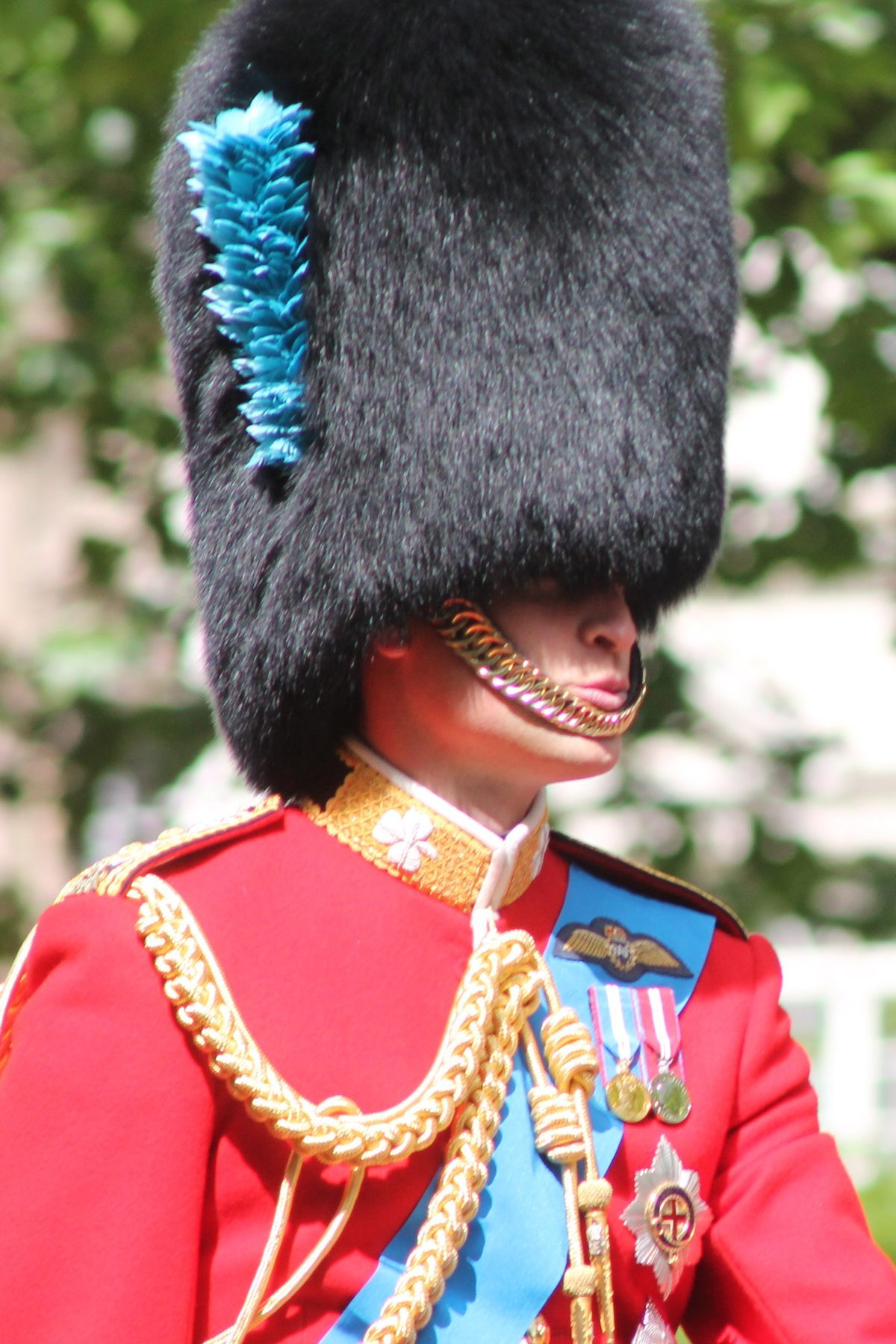
📷 Photo: Carfax2. CC BY-SA 3.0 via Wikimedia Commons.