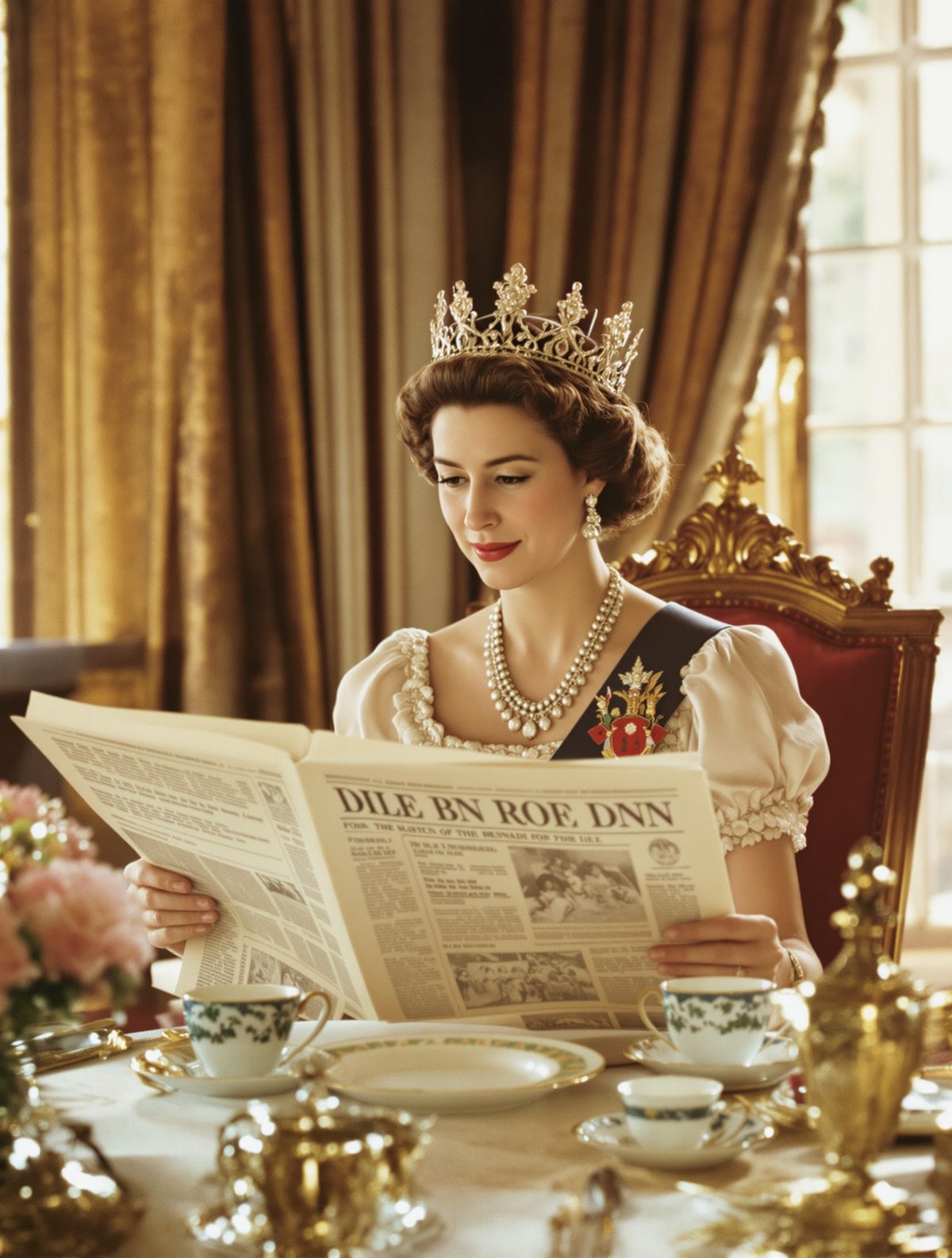
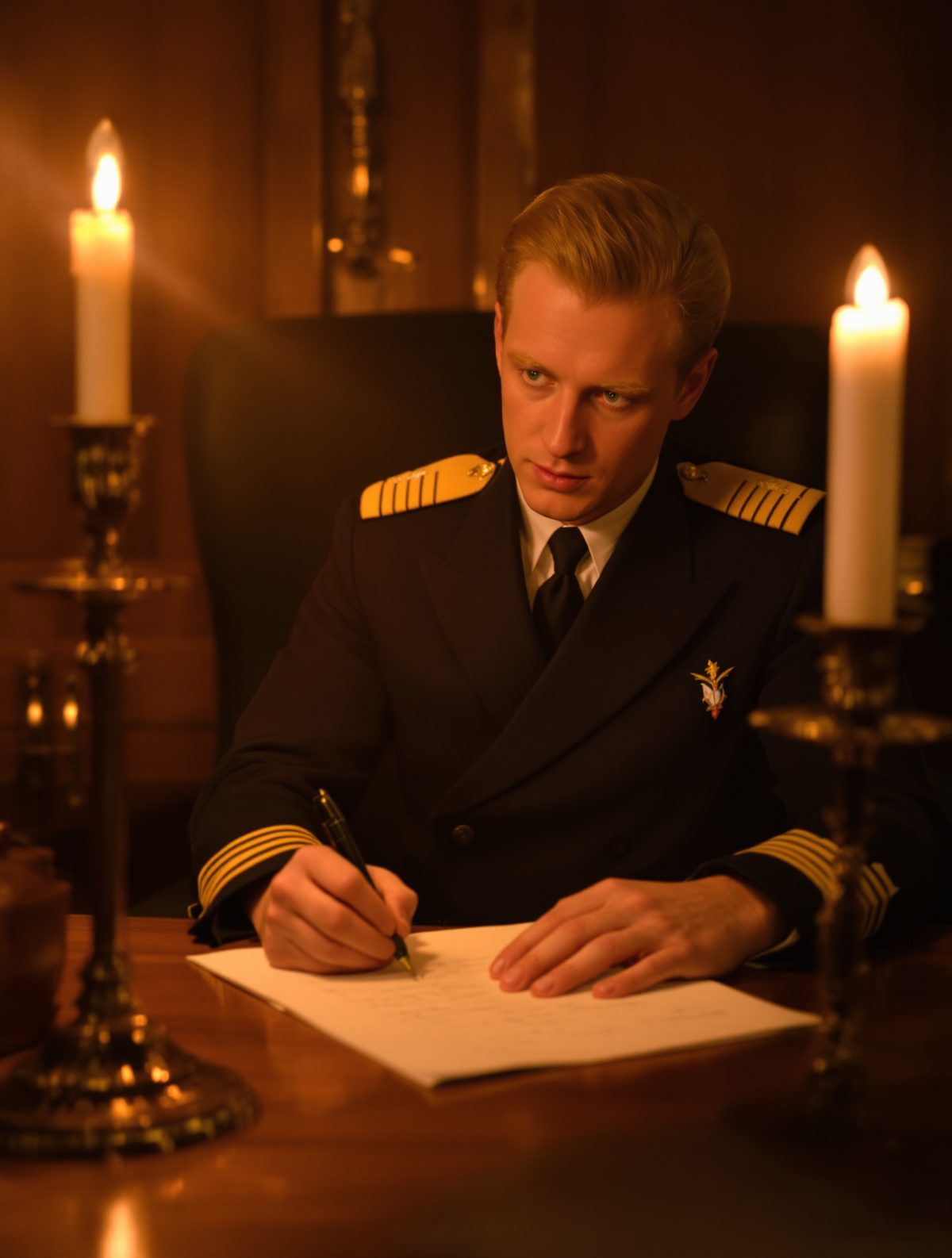
In the depths of World War II, while Britain faced its darkest hours and the Royal Family remained steadfastly in London despite the Blitz, a young naval officer stationed across the empire was pouring his heart onto paper. Prince Philip of Greece and Denmark, tall, blonde, and dashingly handsome in his Royal Navy uniform, was writing love letters that would have made even the most romantic novelist blush. The recipient? Princess Elizabeth, then just a teenager but already capturing the heart of the man who would become her devoted husband for over seven decades.
A Wartime Romance Blooms
The romance between Princess Elizabeth and Prince Philip had begun in earnest during the summer of 1939, when the thirteen-year-old Princess first truly noticed the eighteen-year-old naval cadet during a visit to the Royal Naval College at Dartmouth. While their paths had crossed before at family gatherings—Philip was, after all, a distant cousin through both Queen Victoria and Christian IX of Denmark—it was this meeting that sparked something special.
When war broke out just months later, Philip was thrust into active service aboard HMS Ramillies in the Indian Ocean, followed by postings throughout the Mediterranean and Pacific theaters. The physical distance between the young couple only seemed to intensify their connection, with Philip's letters becoming increasingly passionate and frequent as the war progressed.
Palace staff, accustomed to the formal, measured correspondence typical of royal communications, were reportedly taken aback by the ardent tone of Philip's letters. These weren't the polite, diplomatic missives they were used to handling, but rather the genuine outpourings of a young man deeply in love, writing to his "darling Lilibet" with an intimacy that spoke of a profound emotional connection.
The Devoted Correspondent
Philip's signature on these wartime letters—"Lilibet's devoted Philip"—became his trademark during this period, a simple phrase that conveyed both his commitment and his understanding of Elizabeth's special position. The use of her family pet name showed the intimacy of their relationship, while his declaration of devotion revealed the depth of his feelings.
The letters themselves painted vivid pictures of naval life during wartime, with Philip describing not just the strategic movements and battles he witnessed, but also his thoughts, hopes, and dreams for their future together. He wrote of sunsets over the Mediterranean, of his fellow officers, and of how thoughts of Elizabeth sustained him through the dangers and uncertainties of war.
Royal biographers have noted that Philip's correspondence style was refreshingly direct and unguarded, a stark contrast to the careful, protocol-conscious communication that typically characterized royal exchanges. His letters revealed a young man of intelligence and humor, qualities that clearly captivated the teenage Princess who was coming of age during Britain's finest hour.
Elizabeth's Treasured Collection
What speaks perhaps most eloquently to the importance of these letters is the fact that Princess Elizabeth kept every single one. In an era before instant communication, when letters were the primary means of maintaining long-distance relationships, each missive was precious. For a young woman growing up in the goldfish bowl of royal life, these letters represented something authentic and personal in a world often governed by duty and protocol.
The Princess reportedly kept Philip's letters in a special box, reading and re-reading them during the long wartime years. Staff at Windsor Castle, where the young Princesses spent much of the war for their safety, noted how Elizabeth's face would light up whenever the distinctive handwriting of her naval correspondent appeared in the day's post.
These letters became the foundation of a relationship that would eventually span more than eight decades. They captured not just the romance between two young people, but also the very human story behind one of the most enduring partnerships in royal history. Through his words, Philip was courting not just a Princess, but the future Queen, though at the time, Elizabeth's eventual accession to the throne seemed far less certain with her uncle King Edward VIII on the throne until his abdication in 1936.
A Palace Transformation
The arrival of Philip's passionate letters marked something of a generational shift within the royal household. The older courtiers, accustomed to the reserved emotional landscape of King George VI and Queen Elizabeth's court, found themselves managing correspondence that spoke of genuine romantic love with an openness that was both refreshing and slightly shocking.
This new style of royal romance was perhaps a harbinger of the modernization that would come to characterize Elizabeth's reign. Philip's directness and emotional honesty in his letters reflected a personality that would later bring significant changes to royal protocol and tradition, always with the Queen's support and often at her request.
The letters also provided a crucial foundation for their relationship during a time when face-to-face meetings were rare and precious. The couple's courtship was conducted largely through correspondence, making Philip's skill as a letter writer all the more important. His ability to maintain and deepen their emotional connection across thousands of miles and through years of separation proved to be one of the defining factors in their eventual marriage.
Legacy of Written Words
The wartime correspondence between Philip and Elizabeth represents more than just a romantic exchange between two young people; it captures a moment when the future of both the monarchy and the nation hung in the balance. These letters were written against the backdrop of the Blitz, the Battle of Britain, and the darkest days of World War II, when victory was far from assured and the future remained uncertain.
That Princess Elizabeth chose to preserve every single letter speaks to their profound importance in her life. In later years, as Queen, she would occasionally be spotted re-reading these treasured missives, a private moment of connection with the early days of her great love story. The letters served as a reminder of the man behind the Duke of Edinburgh, the devoted husband who had given up his promising naval career to support her in her royal destiny.
Today, as we reflect on the remarkable partnership between Queen Elizabeth II and Prince Philip that lasted until his death in April 2021, these wartime letters remind us that behind the crowns and ceremonies, the state visits and constitutional duties, lay a very human love story that began with a young naval officer brave enough to write passionate love letters to a Princess. Their correspondence during those crucial war years laid the groundwork for a marriage that would become the cornerstone of a modernized monarchy, proving that sometimes the most enduring royal traditions begin with the most personal of gestures.