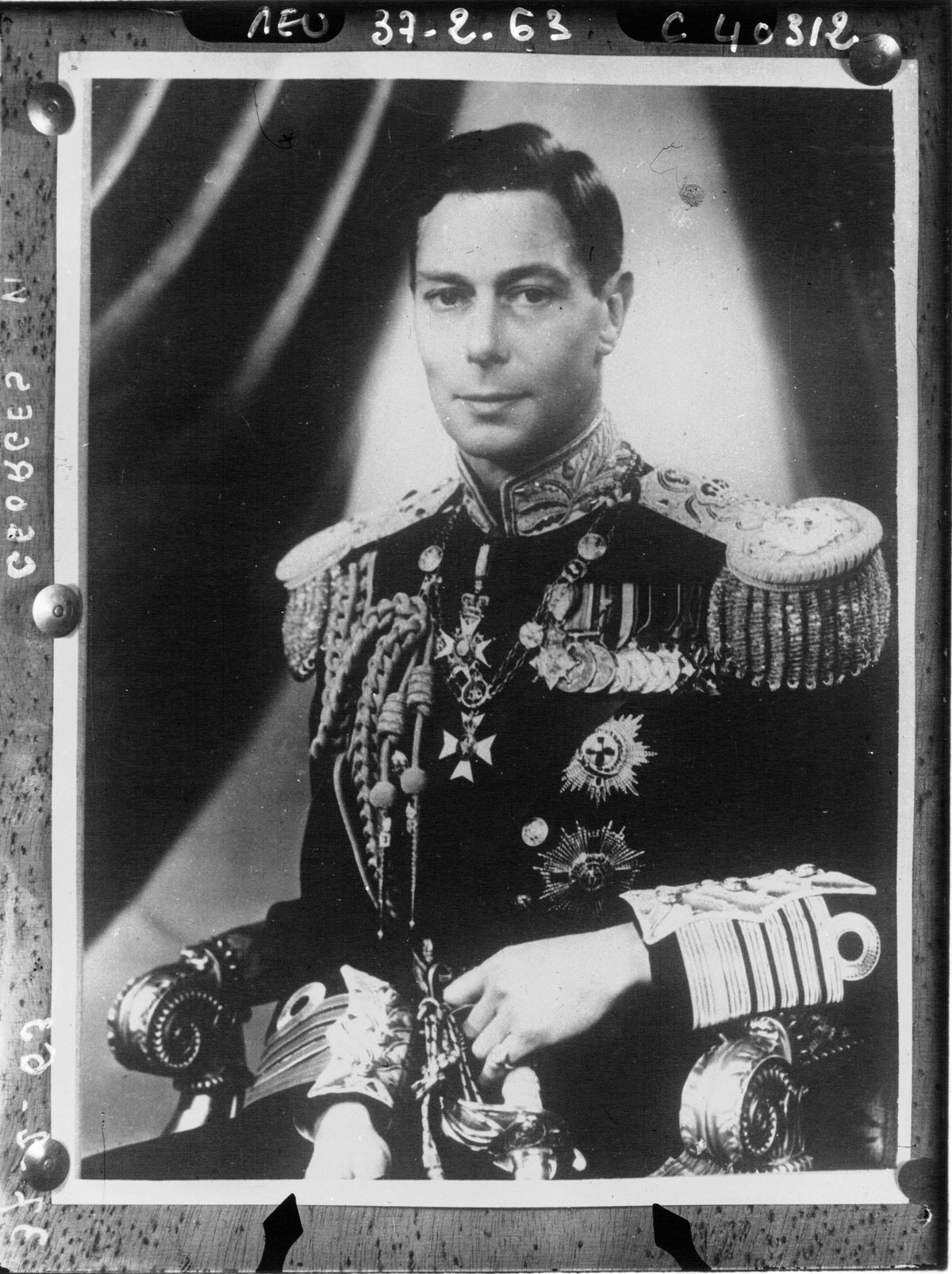
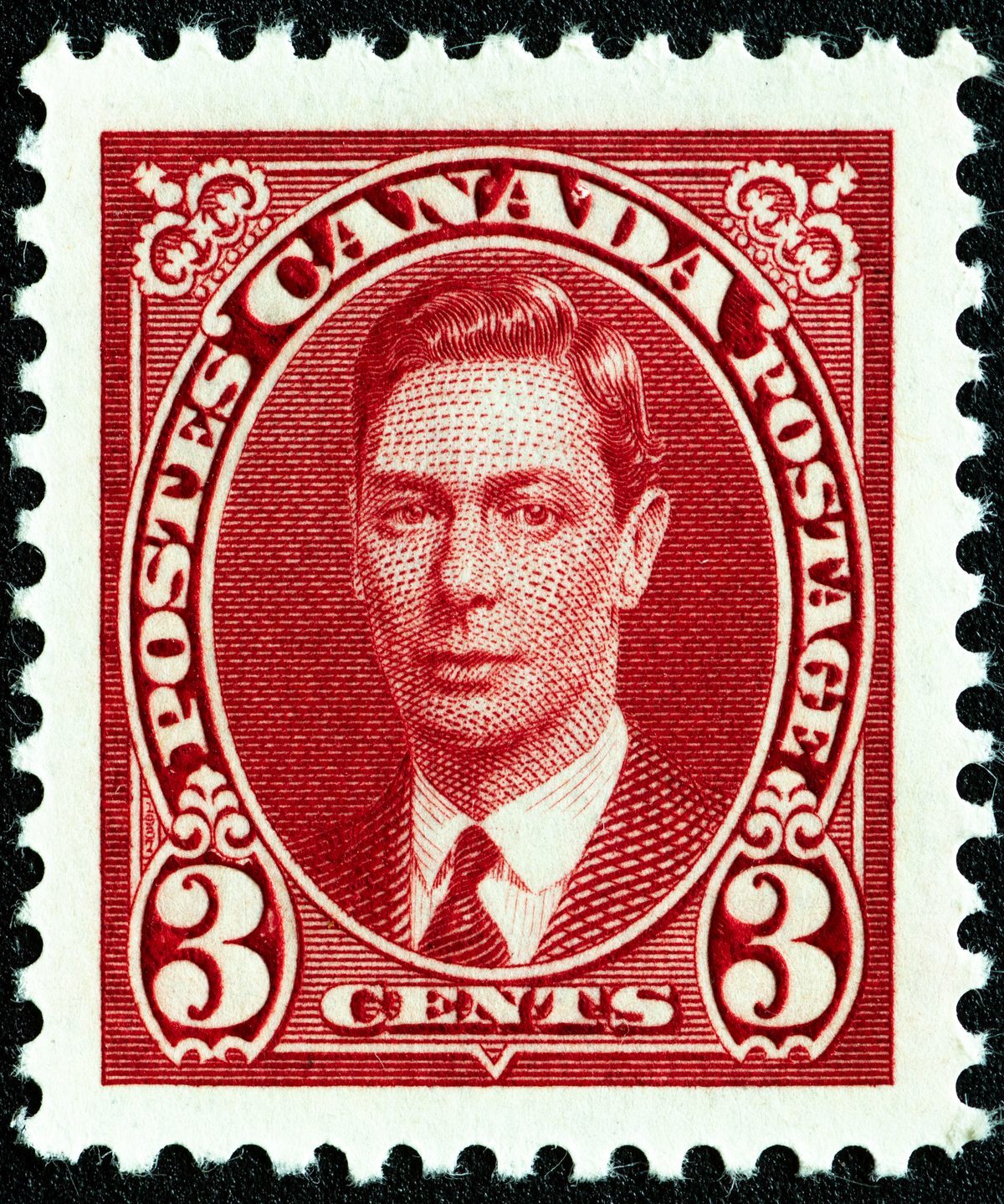
The night was heavy with the ominous weight of uncertainty on September 3, 1939. The very air seemed to reverberate with the echoes of the infamous declaration that plunged Britain into the throes of the Second World War. Yet, amidst the whirlwind of unfolding events — directives flowing in and out of Buckingham Palace, alliances being reaffirmed, and dire decisions being made — King George VI found solace in a profoundly intimate act. He picked up his pen, not to draft directives of war, not to communicate with Winston Churchill or Parliament, but to write tender, loving words to his daughters, Princess Elizabeth and Princess Margaret. A gesture so widely relatable, and yet so firmly rooted in royal duty.
The Heart of a King and the Love of a Father
The role of a monarch in wartime is deeply complex. A king is expected to embody strength and sagacity, a figurehead that the nation can rally behind in the darkest of times. King George VI, known for his stoic resilience and deep sense of duty, was such a figure for Britain during World War II. Yet, the night that the world teetered on the brink of chaos, he was drawn to a quieter, personal duty — that of a father.
By 1939, George VI had long grappled with the burden of the crown thrust upon him by the abdication of his brother, Edward VIII. In his quiet moments, he often worried about the future awaiting his daughters, should the world descend into deeper darkness. With Elizabeth poised to one day inherit the throne, and young Margaret by her side, he felt the acute need to prepare them, in some small way, for the very worst.
“For my dearest Lillibet and darling Margaret,” he may have begun, with words that would forever remain private and tucked away, a father’s unguarded love pressed between the pages of history.
A Private Gesture in Public Turmoil
In the grandeur of Buckingham Palace, where history permeates every corner, the personal moments of the royal family are both hidden and highlighted by the walls that contain them. These letters, never intended for public consumption, remind us of the vulnerability that even kings share with their subjects.
As Elizabeth and Margaret lay asleep in their rooms, perhaps dreaming of the peaceful pre-war world they were leaving behind, their father, their king, poured his heart into words. What did he tell them? Of duty? Of courage? Of the love of family in a world seized by war?
Historians and royal enthusiasts alike have speculated about their contents. What seems most likely, according to royal accounts and anecdotes over the years, is that they were filled with guidance, hope, and an affirmation of the unbreakable bond between parent and child, ruler and nation.
The Hidden Strength of the Royal Family
The transition from peacetime to war was abrupt and seismic, yet the royal family, under King George VI’s steady hand, remained an unyielding pillar of British fortitude. The King’s calming presence on radio addresses, standing defiantly amidst the wreckage of bombed-out London sites, was a source of solace for a nation in turmoil. And yet, his moments of solitude, composed over parchment and ink, reveal the private burdens he carried.
The letters to Elizabeth and Margaret were emblematic of the quiet, indomitable strength that was the hallmark of George VI's reign. They served as a poignant reminder that the monarchy was not just an ancient institution but a living, breathing family that millions of Britons saw as an extension of their own.
The Unseen Legacy of a Father's Words
The heartfelt gesture of King George VI writing these letters underscores the deeply human aspect of the monarchy during one of its most challenging periods. While the letters remain unseen by the public, their legacy lingers in the fabric of royal history. They remind us of the delicate balancing act between public duty and personal love, a narrative that extends through generations of the royal family.
For Princess Elizabeth and Princess Margaret, who would come to embody the spirit of resilience that defined the wartime years, these letters were a tender echo of their father's steadfast love and guidance. Perhaps it was this unshakable support that fortified them for the contributions they would make during and after the war.
A Connection Through Time
In remembering King George VI's silent act of intimacy amidst global upheaval, we understand a little more about the timelessness of human connection. It’s a story of a father’s love that transcends time and circumstance, echoing in the halls of Buckingham Palace and in the hearts of those who revere the history of the British monarchy.
As we reflect on the past, we find that the legacy of King George VI is not only etched in the grand narrative of wartime leadership but also in the tender scribbles upon the letters that never saw the light of day. On a night when Britain stood alone, he chose to perform a simple act of kinship in a complex world, offering warmth and guidance in words that, though unwritten in the public domain, continue to touch the present as genuinely as they did the hearts of two young princesses over eight decades ago.
📷 Photo: Hayden Soloviev. CC BY 4.0 via Wikimedia Commons.