It was the autumn of 1939, and the world held its breath. War was once again upon Europe, threatening to engulf it in turmoil and despair. In Britain, a nation with memories of the Great War still fresh, there was an air of inevitability mixed with dread. On the morning of September 3rd of that year, Prime Minister Neville Chamberlain's voice delivered the bleak news over the wireless: Germany had refused to respond to Britain's ultimatum to withdraw from Poland, and as a consequence, a state of war existed between the two nations. But later that day, amidst the ripples of fear and uncertainty that spread across the Empire, it was the voice of another man — King George VI — that brought a moment of unity, courage, and hope. A voice that until then had rarely been heard by the masses, struggled with a speech impediment, yet emerged to deliver words that would rally the spirit of a nation.
Reluctant Monarch, Unseen Stalwart
When King George VI ascended the throne in 1936 following the abdication of his brother, Edward VIII, he was a reluctant monarch. Known affectionately within the family as "Bertie," the new king was reserved, modest, and known for his dedication to duty rather than any particular taste for public speaking. George VI had battled a stammer for most of his life, a condition that made public addresses excruciating. Yet it was this very sense of humility and endurance that endeared him to the people of Britain and the wider Empire.
The impromptu nature of his ascent to kingship placed him in a difficult position, having had little time to prepare for the spotlight that suddenly shone on him. Nevertheless, he accepted his role with quiet determination. As war loomed, King George VI was not merely a symbol of continuity and stability; he became a living testament to the virtues of patience and perseverance. And in the crucial moment when Britain's resolve was about to be tested, it was King George who was called upon to speak directly to his people.
The Day Britain Went to War
September 3rd did not dawn like any other day. In palaces and homes across the United Kingdom and beyond, radio sets crackled into life, delivering news of impending conflict. Once Chamberlain delivered his grave announcement, focus shifted to Buckingham Palace. There, King George VI prepared to make a historic radio broadcast, one that would reach an audience across all corners of the British Empire, approximately 500 million souls waiting to hear from their monarch.
In a room steeped in history and tradition, with the weight of expectation hanging like a backdrop to the grand scarlet and gold tapestries, King George VI approached the microphone. With him was Lionel Logue, his esteemed speech therapist and a steadfast confidant. The relationship between the King and Logue was one of mutual respect and trust. It was Logue who had helped George VI gain some mastery over his stammer through various unorthodox methods and relentless practice, breathing exercises, and vowel articulation.
The Speech that Stilled the Storm
As the broadcast began, the Empire was not just listening — it was holding its breath. King George VI's voice, initially hesitant but gaining strength as he spoke, echoed through the airwaves. His message was clear and resolute: the path ahead would be difficult and fraught with danger, yet the moral and just cause of fighting for freedom must prevail.
"For it is to God that we can turn," he implored, "for help, and in His strength, we trust.” His words were not crafted with the flourish of political rhetoric or military bravado but were imbued with sincerity and resolve. His speech was a heartfelt appeal to the unity and courage of the British people and their allies in the face of uncertain trials.
"We shall prevail," one could almost feel the unspoken sentiment coursing through his earnest delivery. The common man on the street to the soldier across the sea felt a shared sense of purpose and resolve, fortified by the vulnerability and resolve of their King, who despite personal challenges, stood as a bastion of unity.
Legacy and Reflection
The broadcast on that somber day in 1939 was more than a royal address; it was a monumental reassurance. King George VI's stammer was barely discernible; instead, his genuine sincerity spoke volumes. In the minds of many Britons, forged through shared adversity, the King transformed from a reluctant heir burdened by circumstance into a heroic figure grounded in grace under pressure and a profound commitment to his people.
The ripple effect of his action was far-reaching. In households across the Empire, people felt a personal connection to their King, who had bravely stepped beyond his personal struggles to offer comfort and conviction in trying times. The speech stood as a testimony to the power of courage, bravery, and determination over one's personal challenges, resonating down the corridors of history.
Today, as we reflect on those moments from the annals of the British monarchy, the wartime broadcasts of King George VI remind us differing paths of peace and unity. The echoes of his reassuring voice are a poignant reminder that true leadership is not about flawless delivery but the strength to face one's fears in solidarity with one's people.
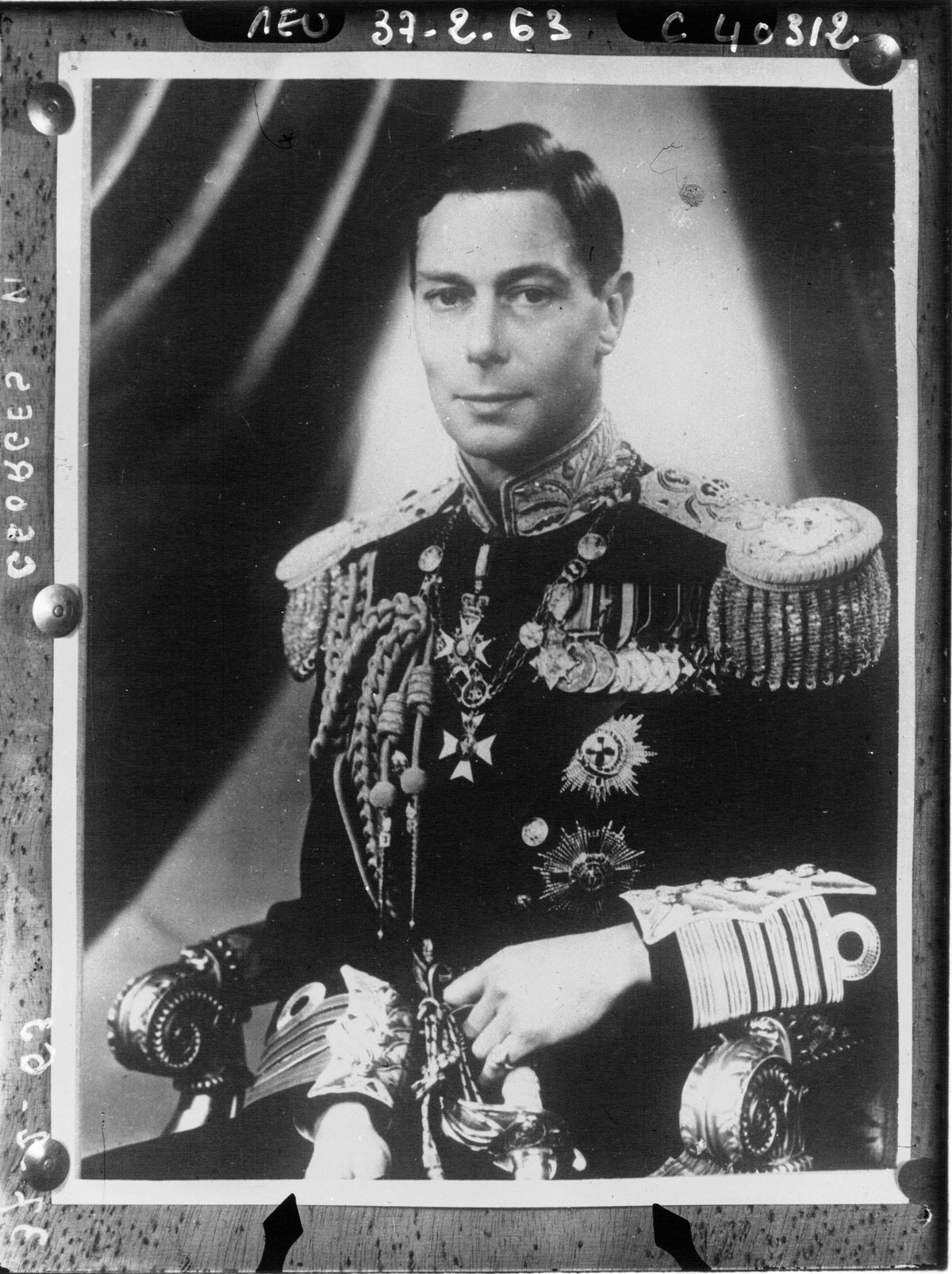
📷 Photo: Agence de presse Meurisse. Agence photographique (commanditaire). Public domain via Wikimedia Commons.