In the grand tapestry of British royal history, instances of personal resolve often paint the most vivid stories. Imagine, if you will, a young princess—only fifteen years of age during the swirling political alliance-building era of 1677—who, upon learning of her arranged marriage to a Dutch prince she had never met, chooses not despair but determination. This is the compelling and heartwarming tale of Princess Mary of England, who, ahead of her marriage to William of Orange, embarked on a secret quest to learn his language and embrace his culture.
A Sudden Announcement and a Surprising Resolve
It was a tumultuous season at the English court when Princess Mary, daughter of the Duke of York, found herself at the crossroads of a momentous decision. Like many young royals of her time, her future was shaped not by personal choice but by political necessity. The news of her forthcoming marriage to William of Orange, a man six years her senior and only known to her through the urgency of courtly whispers, understandably stunned the young princess. For days, her tears reflected her apprehensions and fears about leaving her homeland for a distant court in a foreign land.
Yet beneath this turmoil lay an indomitable spirit. Mary, aware of the strategic significance of her union, decided she would engage proactively with her destiny. Her project began quietly, perhaps in the shadowed corners of the palace or amidst the sprawling gardens where prying eyes were otherwise occupied. There, she devoted herself to mastering the Dutch language, a gesture that would ultimately prove pivotal in bridging both personal and political divides.
Behind Palace Doors: The Secret Tutoring Sessions
The rigors and discipline of language learning demand earnest commitment, especially when undertaken in secrecy. Mary turned to the capable hands of private tutors sworn to confidentiality, likely selected from among those with Dutch heritage at court. It must've been quite the sight—a young royal cloistered in clandestine meetings, wrestling with the complexities of Dutch grammar, vocabulary, and pronunciation.
Her choice to learn the language exemplifies not merely an intellectual pursuit but a profound statement of her willingness to embrace her new role with open arms. Unlike contemporary royal unions, which often bask in pre-marital ceremonies and public engagements, Mary’s preparation remained cloaked in mystery, shielded from the ever-watchful eyes of courtiers and the expectations of the public.
The Human Aspect: A Brave Gesture
One cannot explore Mary’s saga without delving into the human elements underlying her royal duties. She was a princess accustomed to the magnificence and demands of court life, yet this knowledge became exponentially complex with the melding of two nations’ dynastic paths. Learning her future husband's native tongue was a daring endeavor that reflected not only her personal courage but her heartfelt commitment.
This silent pledge bore a unique significance: it was Mary’s way of sidestepping helplessness, empowering her with the means to articulate herself and connect in the court of The Hague. Her newfound linguistic skills would afford her the ability to converse freely, thereby granting her a sense of agency—a rarity for many women of her station in that era.
A Royal Meeting: When Efforts Come to Fruition
When the day arrived for Princess Mary to finally meet Prince William, it was not merely a gaze across a crowded court but a moment alive with the potential for an immediate bond. Historical records lack explicit details of their initial encounter, but one might imagine a young Mary addressing William in Dutch—a gesture both surprising and endearing, that surely softened the gravity of such a politically charged union.
The impact of her linguistic efforts resonated through their early days. For William, navigating his English duties was augmented by having a partner who could effortlessly translate not just the language but the nuances of culture. Mary’s proactive approach in learning Dutch laid the groundwork for the cooperation that the couple would need, especially when they ascended the English throne as joint sovereigns in 1689, following the Glorious Revolution.
A Legacy Carved Through Language and Love
Though their marriage began as a geopolitical necessity, Mary and William's shared achievements within their joint rule suggest a partnership built on mutual respect and understanding. Language played a critical role in that foundation, signifying more than an act of diplomacy—Mary’s linguistic mastery symbolized the profound connections forged through effort and determination.
Mary II’s story, hidden beneath the grandeur of royal alliances and statecraft, is a poignant reminder of how individual courage can shape history. Her decision to learn Dutch drew a line of empathy and connection across the sea, beautifully aligning personal and political landscapes.
Today, Queen Mary II’s legacy persists, not solely through the engravings of her name upon the annals of British history but in the echoes of her initiative. Her story continues to remind us: personal acts of courage within the royal realm create legacies as intricate and enduring as those formed upon the fields of political conquest.
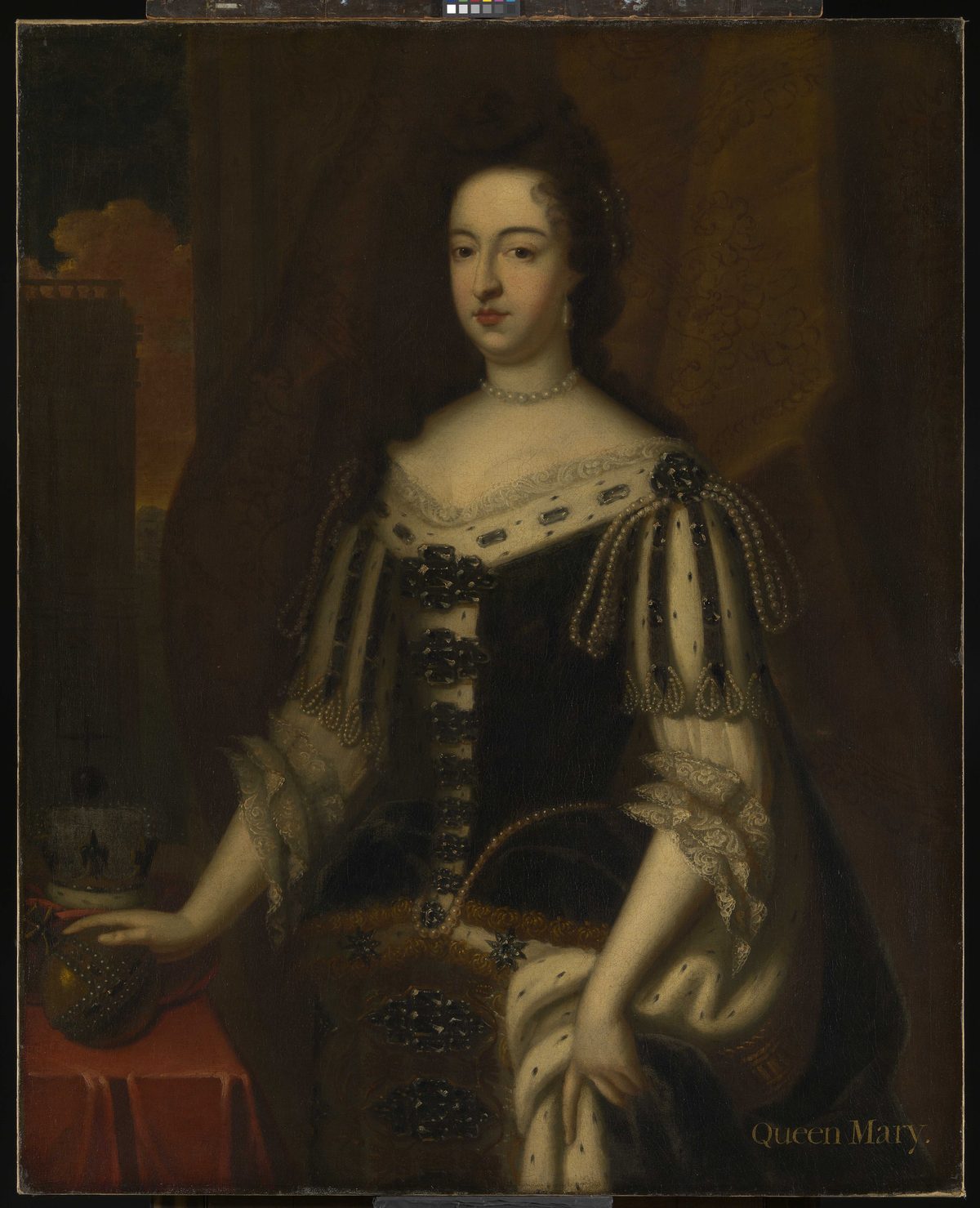
📷 Photo: Godfrey Kneller. Public domain via Wikimedia Commons.