A Race Against Time: The King's Hidden Struggle
As dawn painted the sky over London on May 12th, 1937, the streets thrummed with anticipation. This was a day of grandeur and pageantry, when destiny would converge at Westminster Abbey to crown a new king for the British Empire. Yet, behind the steadfast royal facade, King George VI harbored an intimate fear—a debilitating stammer that had clung to him since childhood, threatening to unravel the solemnity of his coronation. The secret weapon against this silent adversary was Lionel Logue, a maverick speech therapist from Australia whose unconventional methods and unswerving friendship had fortified the King's resolve. Unbeknownst to the expectant crowds and assembled dignitaries, the survival of this historic ritual hung in the balance of a shared journey of courage and trust.
The Making of a Monarch: A Reluctant Heir to the Throne
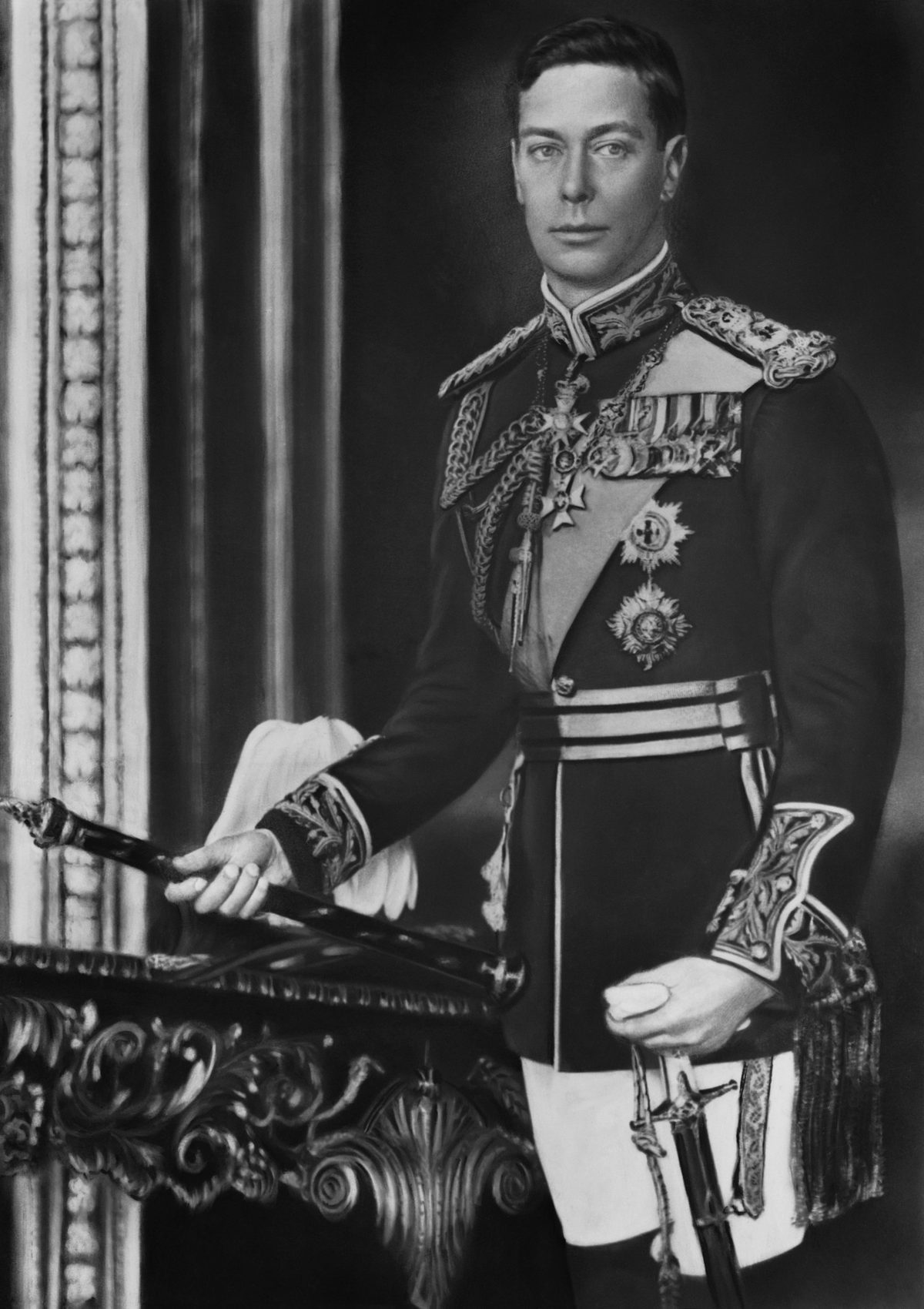
Born Albert Frederick Arthur George, the second son of King George V, young "Bertie," as he was fondly known, had been free to carve his own path away from the throne's relentless spotlight. This all changed in 1936 when his elder brother, King Edward VIII, abdicated in a sensational move that sent shockwaves through the monarchy. Thrust into a role he never sought, Bertie became George VI, a reluctant sovereign determined to live up to the expectations of his rank while privately battling insecurities intensified by his speech impediment.
The royal court buzzed with a mix of support and anxious concern. While the public facade was one of unity and strength, behind closed doors, the gravity of the King's coronation loomed like a storm cloud. The ritual was not merely a ceremony but a powerful reaffirmation of tradition and continuity. George VI knew that addressing the nation with grace and authority was vital to affirm his legitimacy, especially when his ascension had been shrouded in the shadows of abdication.
Enter Lionel Logue: The Maverick from Down Under
Into this vortex of royal protocol and personal tribulation stepped Lionel Logue. Logue, an elocution expert from Perth, Australia, had made waves with his insights into speech therapy, particularly his belief in addressing the psychological roots of speech disorders—a revolutionary approach at the time. His methods were unorthodox, involving not just physical exercises but also harnessing the power of empathy and understanding.
Introduced to the King by a mutual acquaintance, Logue and George VI's initial sessions were tinged with skepticism. It was Logue's humanity and humor that gradually dissolved the royal formalities, creating an environment of mutual respect and camaraderie. What began as a professional engagement blossomed into an unlikely yet profound friendship that transcended social boundaries—a testament to their mutual respect and shared resolve.
The Abbey: A Sanctuary of Courage and Resolve
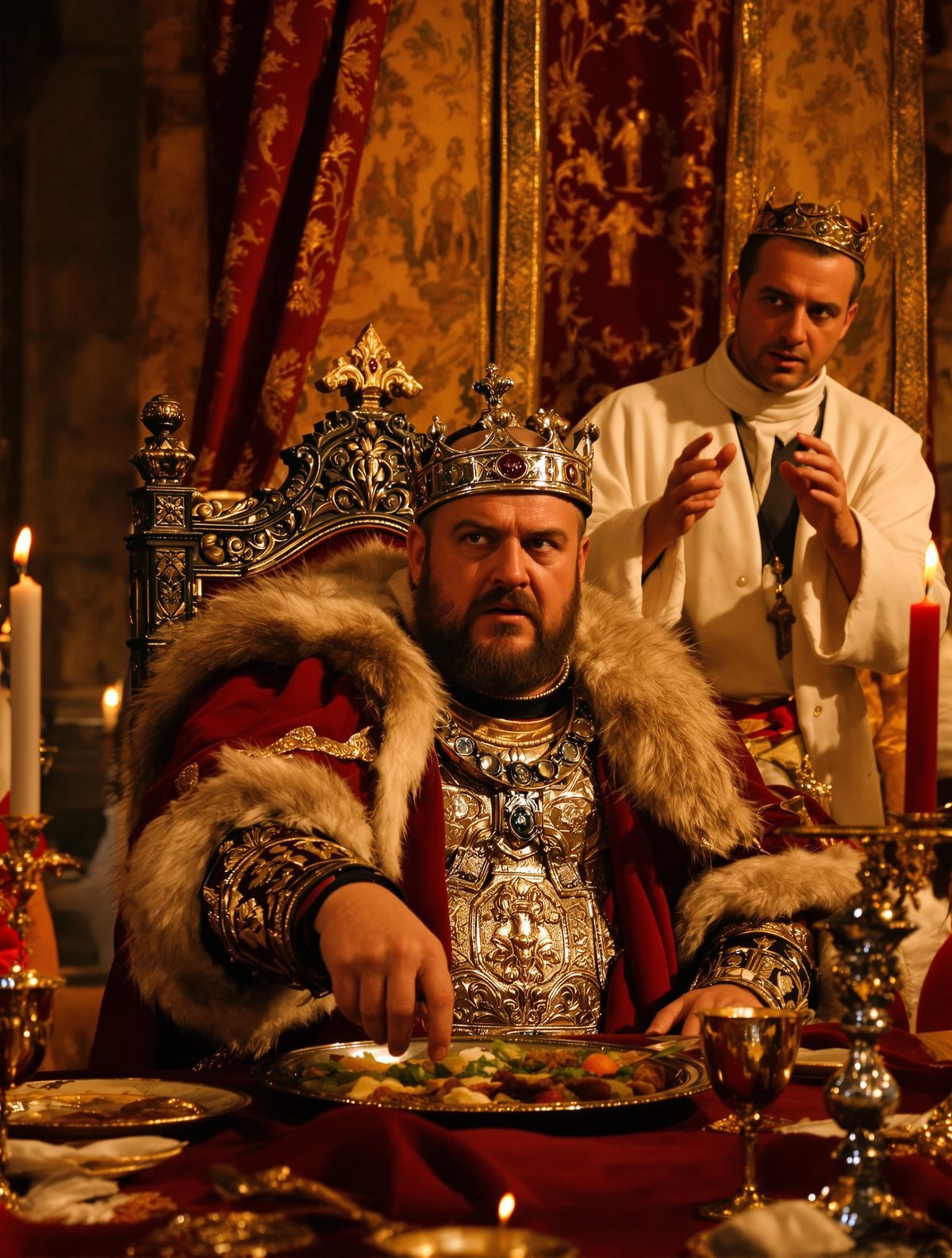
As King George VI entered Westminster Abbey on his coronation day, Logue was there, ensconced within the architectural majesty of the church, a hidden figure but no less pivotal. Despite the grandeur of the occasion—gleaming crowns, flowing robes, and a sea of onlooking dignitaries—the atmosphere was charged with palpable tension as the King approached the microphone.
The moment gracefully balanced the scales between triumph and potential catastrophe. Years of dedicated practice with Logue had brought the King to this precise moment of challenge and change. With each word, George VI drew from the unyielding well of resilience and friendship: a mastery borne of shared struggles now hidden under the solemn chorus of "God Save the King".
Newsreels from that day captured only the polished surface of royal decorum. Yet within the Abbey's walls, the shared victory of two men—the sovereign in the spotlight and his steadfast confidant behind the scenes—provided the very heartbeat of that transformative day.
A Timeless Legacy: Lessons for Today
In the tapestry of British royal history, King George VI's successful navigation of his stammer remains as much a part of his legacy as his wartime leadership. His journey from plagued speaker to authoritative voice offers an enduring lesson on the power of vulnerability, determination, and friendship. In an era where personal struggles often remain obscured by duty, his story reminds us of the profound bravery it takes to face our deepest fears.
Today, the royal family continues to reflect the complexities and triumphs of human nature that George VI so poignantly embodied. In a modern world seemingly dominated by perfection and invincibility, his story resonates across generations—a beacon of hope for those facing their silent battles, and a poignant reminder of the strength found in empathy and allyship.
Amidst the pomp of royal life, the extraordinary story of King George VI's coronation serves as an inspirational chapter, underscoring the timeless and human spirit at the very heart of the British monarchy. As the crown endures, so too does the legacy of a King who mastered his voice to lead a nation.
📷 Photo: Matson Photo Service. Public domain via Wikimedia Commons.