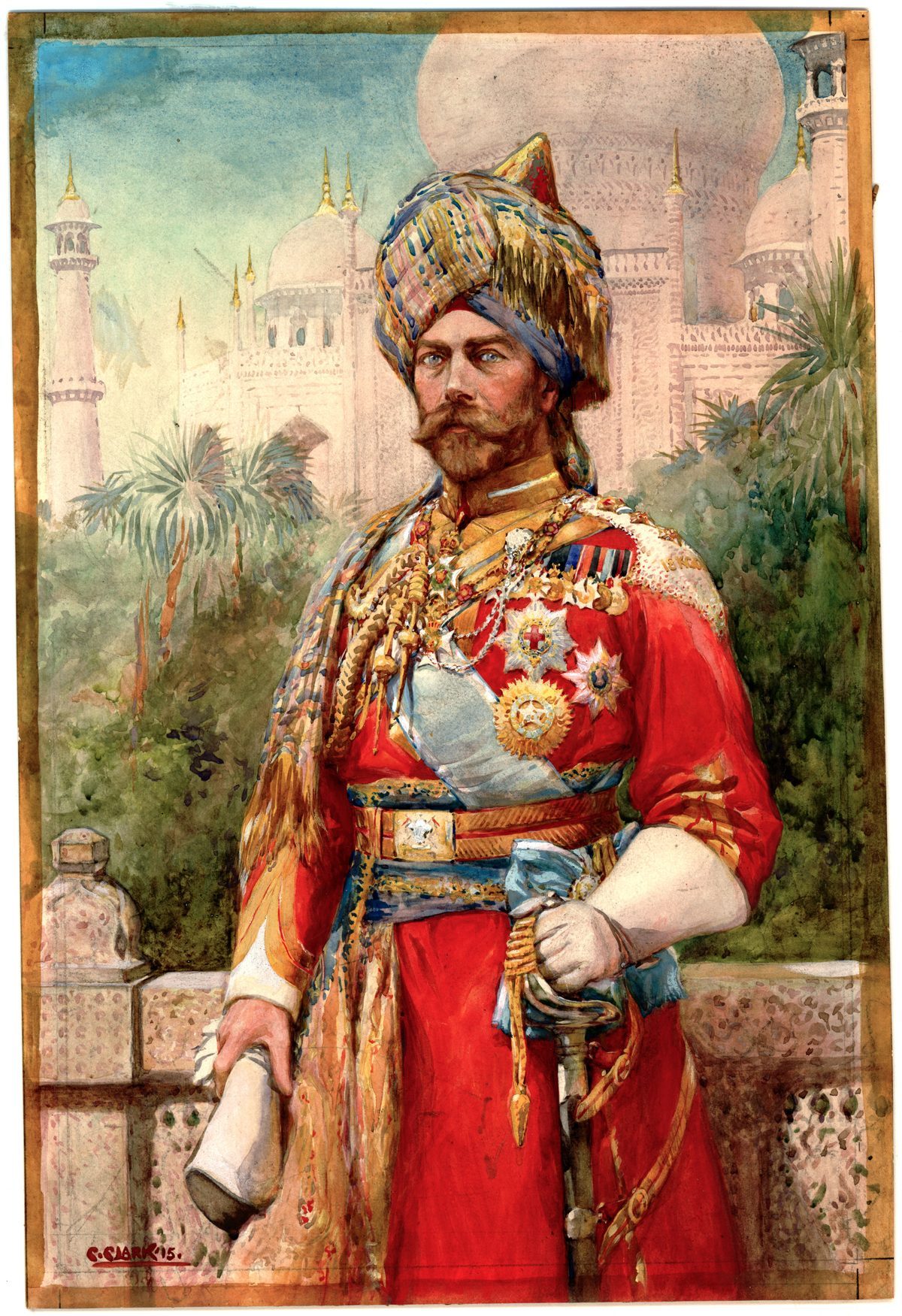
The year was 1917. The world was engulfed in the chaos of the Great War, a conflict that was heightening national anxieties and stirring waves of patriotism across every corner of Britain. Yet, amid the thunder of guns and the cries for victory, an intimate and urgent crisis brewed within the hallowed walls of Buckingham Palace. The British Royal Family, emblem of unity and tradition, bore the undeniably German name of Saxe-Coburg-Gotha. As public sentiment clashed with royal heritage, King George V faced a decision of profound significance: change the family name, or risk losing the throne. It took one swift, resolute act to redefine the monarchy, ensuring its survival amidst a changing world. This is the tale of how the House of Windsor was born.
An Emblem of Continuity in a Time of Change
In the current of history, the British monarchy has always stood as a beacon of constancy and identity. Yet, during the dark days of World War I, this very symbol was threatened by shifting tides. The royal family's ties to Germany were not merely a matter public speculation—they were woven into the royal fabric that stretched back generations. King George V, grandson of Queen Victoria, was deeply entwined with the European royal circuit, a relationship exemplified by his German lineage. The war, however, demanded an unapologetically British identity, free from the shadow of the enemy.
Reports of increasing anti-German sentiment put the King's popularity at risk, creating a precarious situation that called for decisive action. It was under these circumstances that King George V recognized a fundamental truth: to maintain his subjects' trust, he needed not only to appear strong but also to symbolize Britain's spirit. The challenge before him was clear—navigate a path that preserved the royal legacy while distancing it from the very adversary that raged against Britain.
The Making of a Modern Monarchy
It is fascinating to consider how, in a single stroke of the pen, King George V transformed not just a name but the vision of the monarchy. The decision was not made lightly or in isolation. Cultural, societal, and familial considerations swirled around, yet the conclusion was indispensable. On July 17, 1917, the royal proclamation was issued: the House of Saxe-Coburg-Gotha would henceforth be known as the House of Windsor. Evocative of English strength, Windsor resonated with the ages-old traditions rooted in the banks of the Thames, where Windsor Castle stood mighty in defiance of centuries.
The name change was more than a rebranding. It was a strategic maneuver that aligned the monarchy with the national landscape. The public received this adjustment with relief and renewed pride, finding comfort in the thought that their king shared the same name as one of the nation's most beloved fortresses. It was a gesture that cemented the connection between the crown and its constituents, a bond that would extend far beyond the reach of the First World War.
The Personal and the Public: Human Stories Amidst the Legacy
Behind the grandeur of royal protocol lies the deeply human aspect of this momentous transition. King George V, known for his dedication to duty and reserved nature, was keenly aware of the personal repercussions this decision held. There was, undoubtedly, a loss felt in severing ties with his familial heritage. Yet, he displayed a steadfast dedication to the country, illustrating his belief in duty above all.
The renaming marked a turning point not just for the king, but for his family as well. Members of the extended royal family also adapted, some adopting the anglicized name Mountbatten. This represented a collective acknowledgment of the demands of the time and a profound understanding of their role in shaping the country's future. Each member carried the responsibility of their new identity with grace, marking a unified front that resonated across the globe.
Enduring Legacy: The House of Windsor Today
The decision King George V made in 1917 still reverberates today, illustrating the deep-seated adaptability and resilience of the British monarchy. Through the following decades, and into the modern era, the House of Windsor has weathered many storms, each time emerging with its fundamental ethos intact. The name 'Windsor' has come to symbolize not only continuity but an enduring ability to bridge the past with the future.
As the British Royal family continues into the 21st century, their name reflects the rich tapestry of human experience and identity—a reflection of the nation's history, the trials bravely borne, and the unwavering institution that remains a global symbol of tradition and stability. King George V's choice is a testament to the power of names and the profound ways in which they can redefine not just a legacy, but the very course of history itself.
In an ever-evolving society, the monarchy's legacy is a reminder of the importance of adaptability, the courage to make difficult decisions, and the unwavering commitment to serve not just a nation but the world. The House of Windsor, with its roots firmly planted in British soil, continues to forge a path that is both noble and inspiring, inviting admiration and love from those who cherish the timeless allure of the royal family.
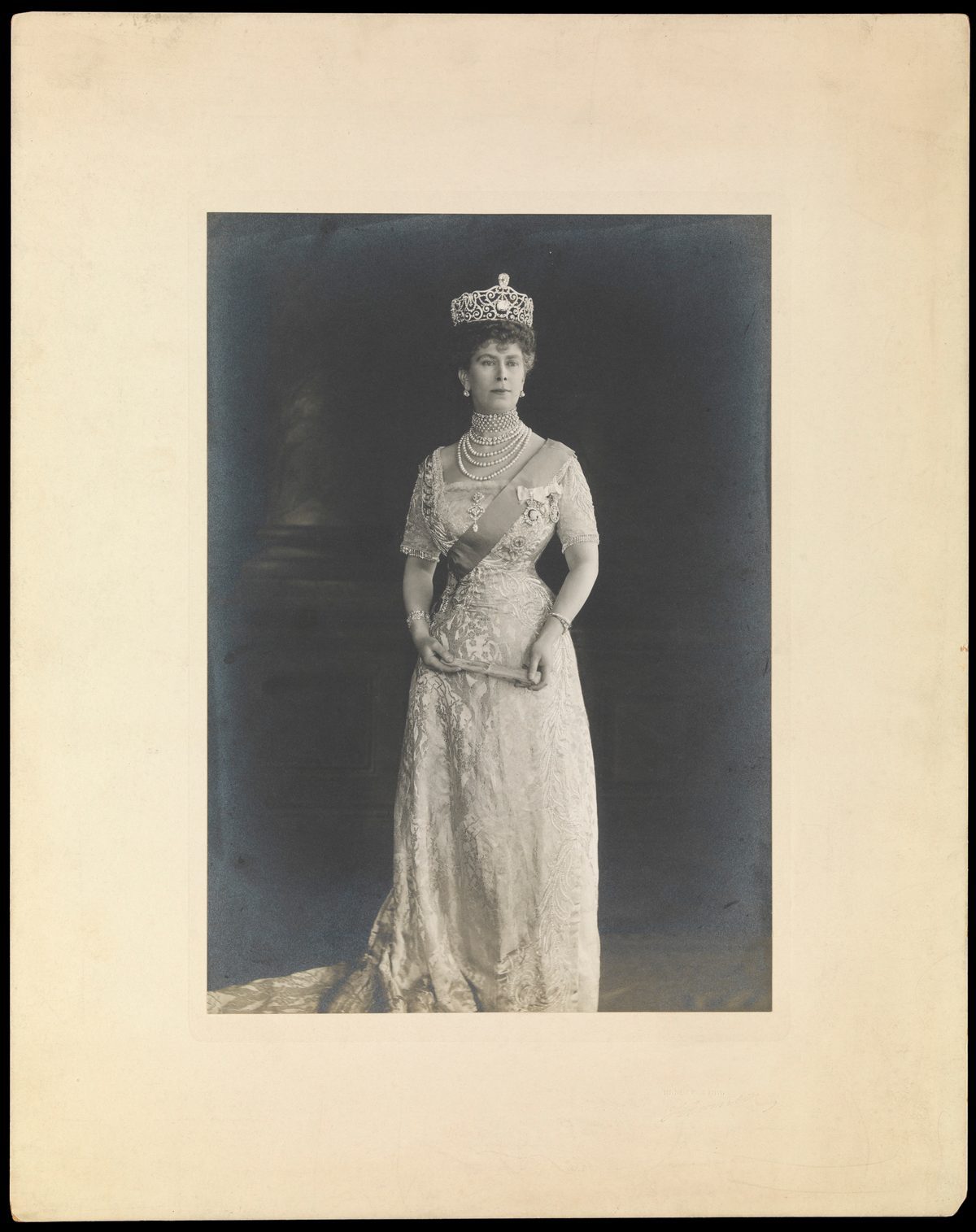
📷 Photo: Christopher Clark (1875 - 1942). Public domain via Wikimedia Commons.