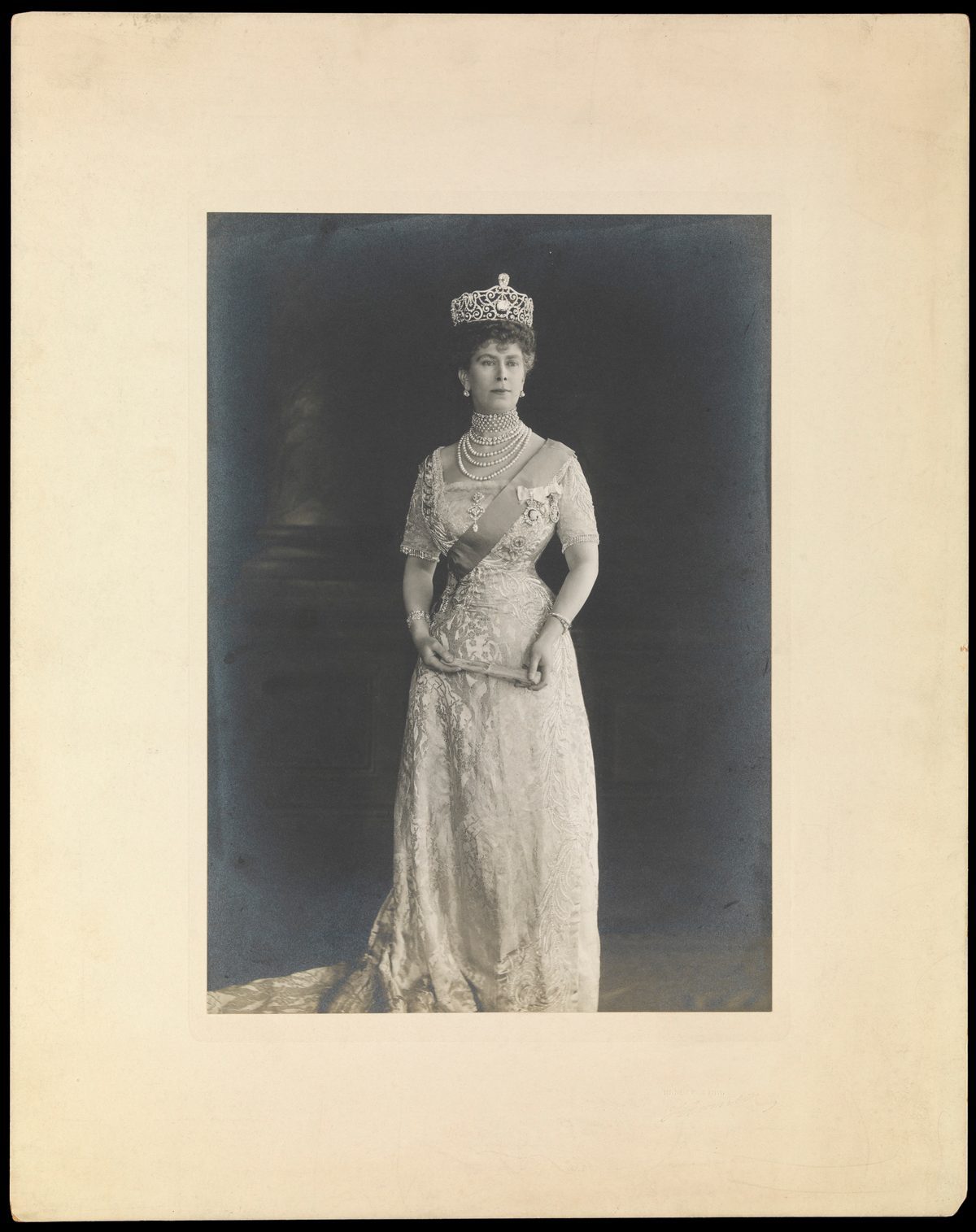
In May 1937, amidst the lush grandeur of Westminster Abbey, the British monarchy found itself at a crossroads. Still reverberating from the seismic shock of Edward VIII's abdication, the crown seemed precariously perched on the brow of his brother. Yet, within the stained-glass walls and hallowed aisles of the abbey, amidst the coronation splendor of King George VI, one figure stood out — Queen Mary. Her gown, a swirling symphony of deep emerald and gold, shimmered with defiant elegance. In that moment, she became the silent sentinel, standing firm against the tides of doubt, declaring the endurance of the monarchy without ever uttering a word.
The Abdication Crisis and the Rise of King George VI
The abdication of Edward VIII in December 1936 was an event unparalleled in its gravity and drama. His decision to step down from the throne to marry Wallis Simpson, an American divorcée, sent shockwaves through the empire. For a family and a nation that prized duty above all, this act of personal choice over royal responsibility rattled the very foundations of the monarchy.
As the dust settled, it fell to George VI, the stammering 'Bertie,' to restore stability to the Crown. The unexpected and thrust-upon responsibility loomed large, and with it came the doubts and whispers of a discontented populace. Would this soft-spoken man be enough to hold together the monarchy? Enter Queen Mary, the formidable matriarch, mother to both Edward and George. Her role, though behind the scenes, was crucial. Nothing about the coronation was incidental, including the deep symbolism embedded within her emerald gown.
The Crown Jewel of a Costume
Queen Mary was no stranger to the language of fashion. Understanding its power to convey messages without words, she utilized her wardrobe as a tool to reinforce the monarchy's continued steadiness. Her choice of an emerald green gown was both deliberate and laden with meaning. Green, a color often associated with regeneration, renewal, and growth, served as a poignant reminder of the monarchy's enduring legacy.
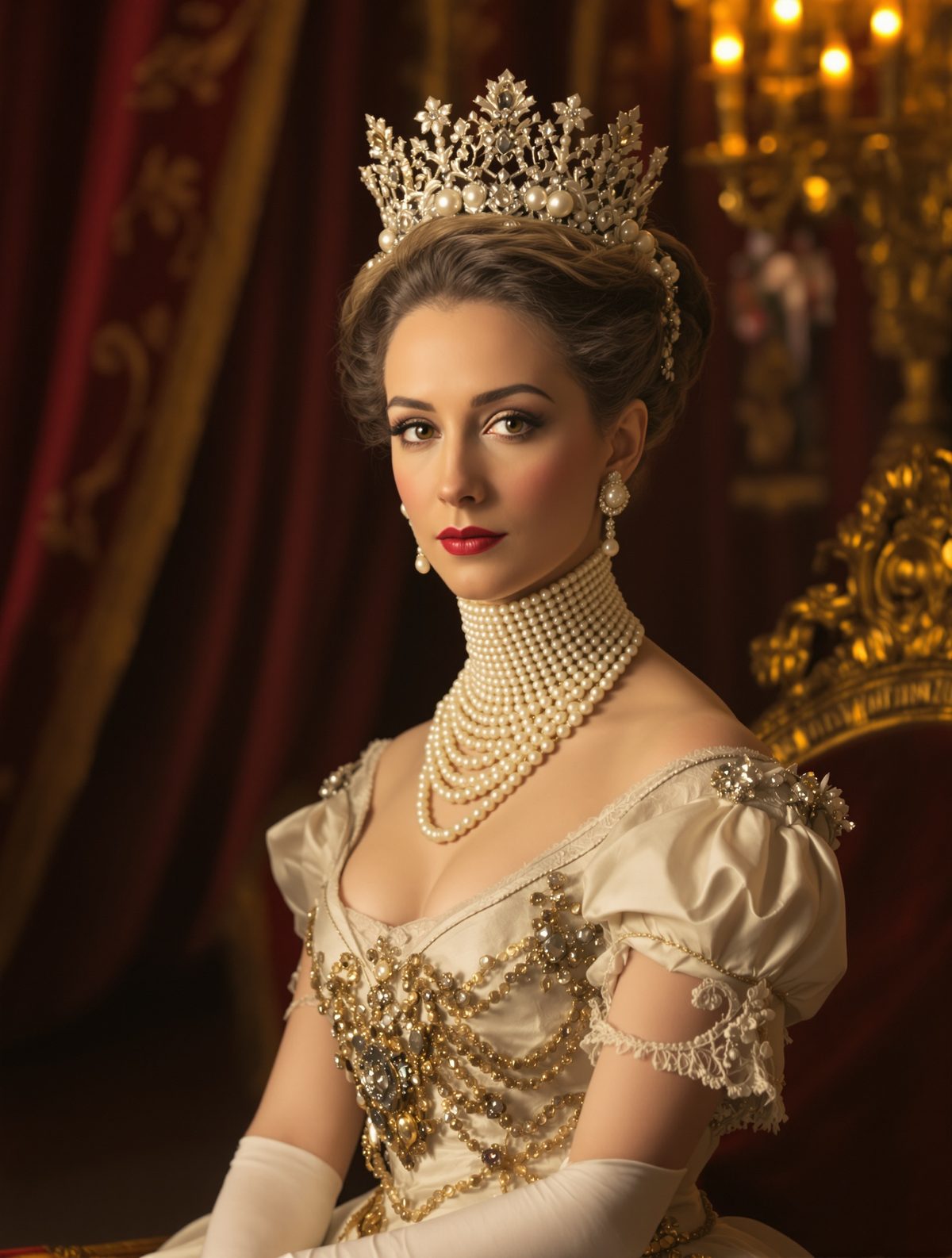
The gown itself was a work of art — elegantly designed to project both power and grace. The rich emerald silk was woven through with gold thread, creating a tapestry of courtly grandeur. The style was one that hearkened back to a more traditional silhouette, drawing a line of continuity between the past and present. Embroideries on the gown paid homage to Britain's heraldic symbols — lions, unicorns, and fleurs-de-lis — a visual assertion of the royal family's unbroken lineage and authority.
Seated in the abbey, Queen Mary was more than just a witness to her son's ascension; she was a pillar of continuity amidst an evolving royal landscape. Her presence, encased in emerald and gold, was a powerful testament that the royal family, regardless of past upheavals, was solid — it was unbreakable.
Fashioning a Legacy
To truly appreciate the impact of Queen Mary's sartorial decision, one must understand the climate of Britain in 1937. The dark clouds of a possible European war were gathering, and at home, the wounds of the Great Depression were still healing. In times of uncertainty and upheaval, symbols of stability and tradition provided the balm of reassurance.
Fashion, especially within the spheres of royalty, is never merely about aesthetics; it embodies an identity, a narrative, and can wield influence akin to a crown or a sceptre. Queen Mary understood this innately. Her regal visage, adorned with the resplendent emerald gown, reminded all of the monarchy's poised resilience and its pledge to endure through trials.
A Statement for the Ages
As history unfolded, the emerald gown Queen Mary wore on that seminal day in 1937 served its purpose as a quiet, yet profound, statement of defiance and resolve. For the monarchy, it was a declaration of its intent to not merely survive but thrive. Queen Mary — regal, determined, and unyielding — personified these words through her fashion choice.
Reflecting on the legacy of that day, we are reminded that true strength often manifests in subtle defiance rather than grand overtures. Queen Mary's exquisite emerald gown transcends the ephemeral nature of fashion, standing instead as a timeless emblem of an indomitable spirit. In its rich folds, we find a lesson — that through the trials of time, the essence of the monarchy endures, ever adapting yet firmly rooted in its heritage.
Today, as we look to the future of the British monarchy amidst a world of rapid change, we can draw inspiration from Queen Mary's silent, eloquent display. Her choice on that May day in 1937 reminds us of the enduring power of grace under pressure, the art of communicating without words, and the legacy of steadfast resolve that continues to define the monarchy in the eyes of the world.
📷 Photo: John Thomson. CC BY 4.0 via Wikimedia Commons.