In the spring of 1827, the bucolic serenity of Windsor's royal grounds transformed as an exotic visitor, a giraffe, graced its verdant expanse. This striking creature, a gift from Muhammad Ali Pasha, the ruler of Egypt, stunned King George IV and indeed all of Britain. The intrigue surrounding the giraffe, marked by its impressive stature and elegance, captivated the nation, igniting a ‘giraffe mania’ that reached the furthest corners of Georgian society.
A Giraffe Arrives: Grandeur and Curiosity
The arrival of the giraffe at Windsor was nothing short of a sensation. Almost unimaginable at the time, a living giraffe journeyed from Africa to the stony shores of Britain as part of a diplomatic gesture of goodwill. Her introduction to the British court, amidst the refined decorum and opulence of Georgian style, served as a magnificent spectacle.
King George IV, ever the connoisseur of flamboyant extravagances, could hardly contain his delight upon receiving this splendid gift. The giraffe was promptly housed in the king’s private gardens at Windsor, where she quickly became the star attraction. With her extraordinary height and gracious demeanor, she mesmerized courtiers and commoners alike, who marveled at the sight of this graceful animal.
Royal Fascination: The King’s New Obsession
King George IV's infatuation with the giraffe extended beyond a mere passing interest. He took great pride in showcasing her during private tours and public occasions, which in turn made Windsor a popular destination for those hoping to catch a glimpse of the exotic new arrival. The king’s passion for novelty and beauty found a perfect match in the giraffe’s exotic charm.
In Georgian England, where travel was limited and exotic species were rare, the giraffe represented a glimpse into an unknown world. The king himself was known for his refined taste, often partaking in the latest continental trends, and the giraffe became an extension of his cultivated persona. The giraffe's presence blended effortlessly into the tapestry of royal life, simultaneously highlighting the court's worldliness and the extent of the British Empire’s reach.
Giraffe Mania: A Fashionable Frenzy
It wasn’t long before the king’s fascination with the giraffe filtered down into the realm of fashion and popular culture. Across the country, ‘giraffe mania’ swept the British public. From intricate porcelain structures replicated with the giraffe's slim neck to textiles adorned with its angular form, the animal's elegant profile infiltrated the artistic and fashion domains.
Women wore dresses and accessories inspired by the giraffe’s unique patterns and muted colors. The porcelain industry, having already mastered the pristine whites and blues that characterized the Regency era, now delved into bold new territories, drawing heavily on the giraffe’s exotic beauty. The giraffe moved from simply being a living curiosity to an influential muse, further cementing its legendary place in the annals of British royal history.
A Diplomatic Encounter: Deeper Meanings
The giraffe's arrival was more than just a story of royal amusement; it was emblematic of the broader geopolitical and cultural exchanges of the era. As a gift from the Pasha of Egypt, the giraffe exemplified the warm diplomatic relations being cultivated at a time when empires sought to solidify alliances and expand influences globally.
In sending such an exotic creature, the Pasha aimed to charm and perhaps even astound the British sovereign, demonstrating not only the wealth and power of Egypt but also reinforcing strong ties between the two nations. The gesture was warmly received and reciprocated with gratitude, contributing to the deepening camaraderie between the nations, albeit symbolically.
Legacy of the Long-Necked Wonder
The momentous lifetime of Windsor's royal giraffe was, by the standards of Victorian animals, comparatively short, lasting only a couple of years. Yet, the ripples of her impact moved far beyond her physical presence in Britain. She inspired everything from art to literature, leaving a legacy that highlighted the royals' ability to fascinate and engage with both the contemporary allure of the exotic and the age-old narratives of power and spectacle.Today, the tale of King George IV's giraffe invites us to ponder the ever-changing course of wildlife diplomacy and its role in modern royal diplomacy. It presents a joyful episode of curious fascination and intercontinental cultural mingling, reminding us of the deep-seated human penchant for wonder and exploration. As we reflect on this enchanting slice of royal history, we are reminded of the potential for the monarchy to bridge worlds through shared curiosity and mutual appreciation.
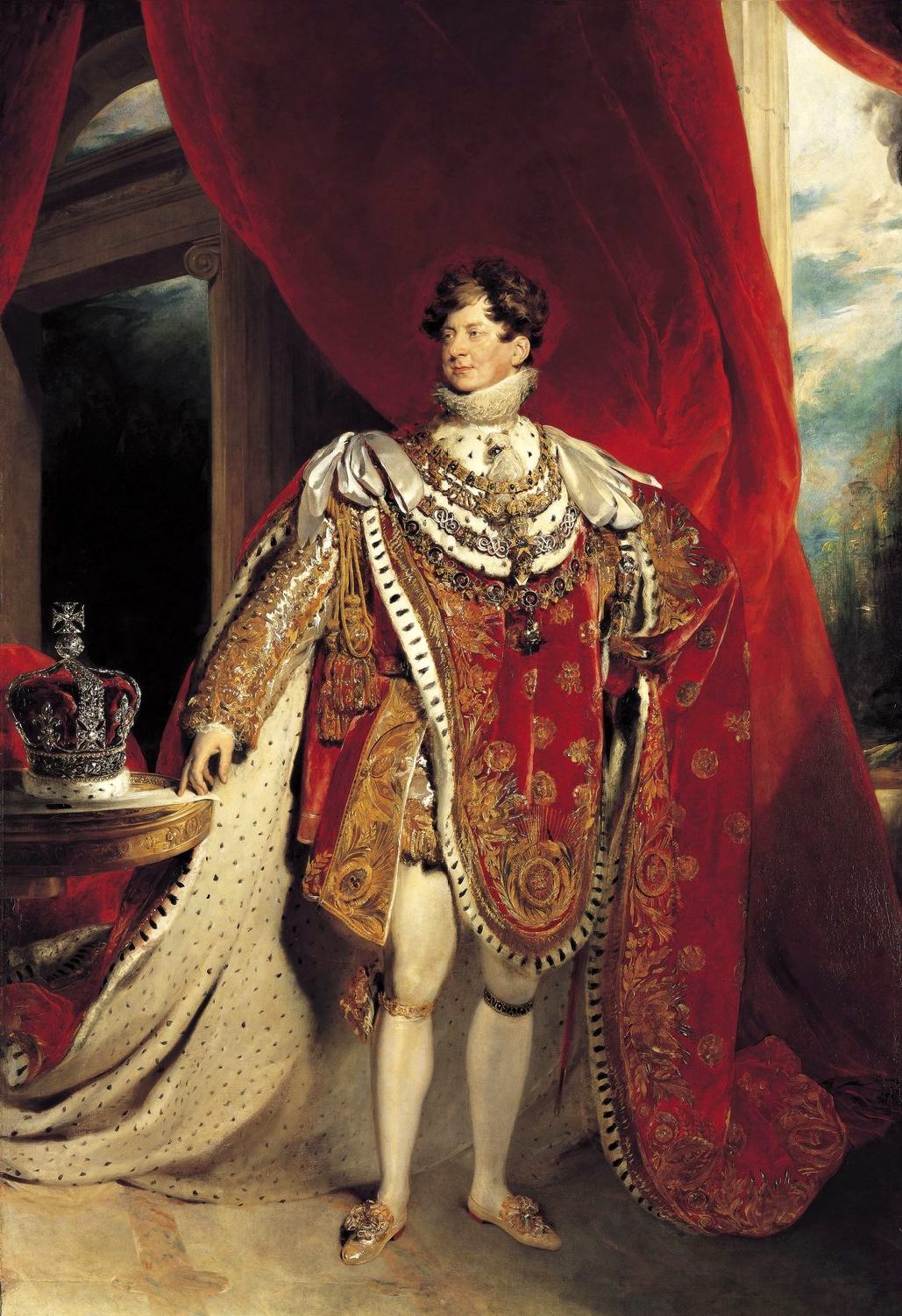
📷 Photo: Thomas Lawrence. Public domain via Wikimedia Commons.