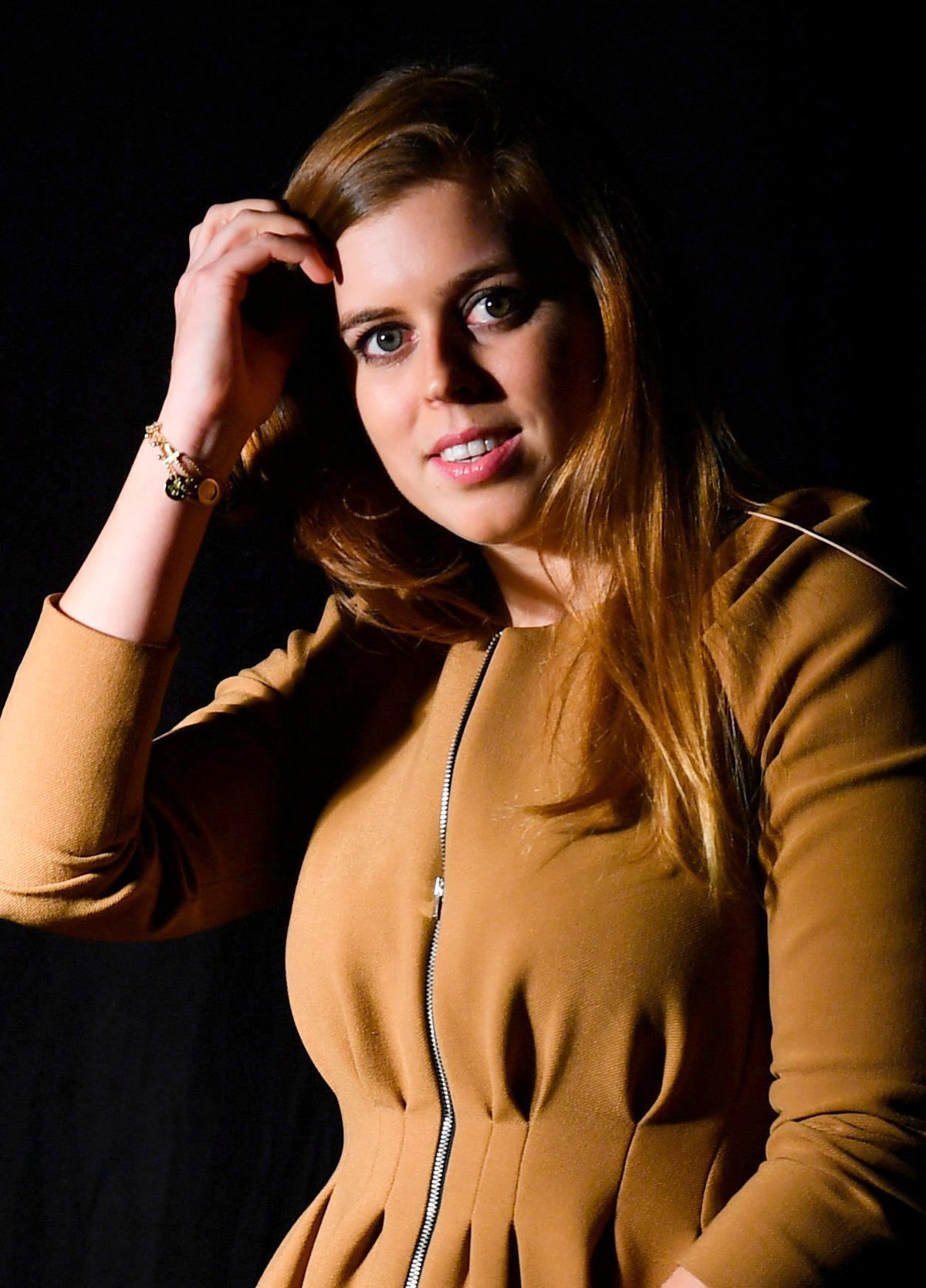
When the world was grappling with the unusual silence imposed by a global pandemic in 2020, the British royal family found a way to celebrate a private yet profoundly significant event — Princess Beatrice's marriage to Edoardo Mapelli Mozzi. Held on a tranquil July day in Windsor's Royal Chapel of All Saints, the ceremony was a closely guarded secret, absent of the pomp and circumstance often associated with such occasions. But the bride made a gesture that resonated across generations; she wore the dazzling Queen Mary's Fringe tiara, a piece of history lent by Queen Elizabeth II herself. This quiet choice spoke volumes and underscored a legacy much bigger than the event itself.
The Significance of the Queen Mary's Fringe Tiara
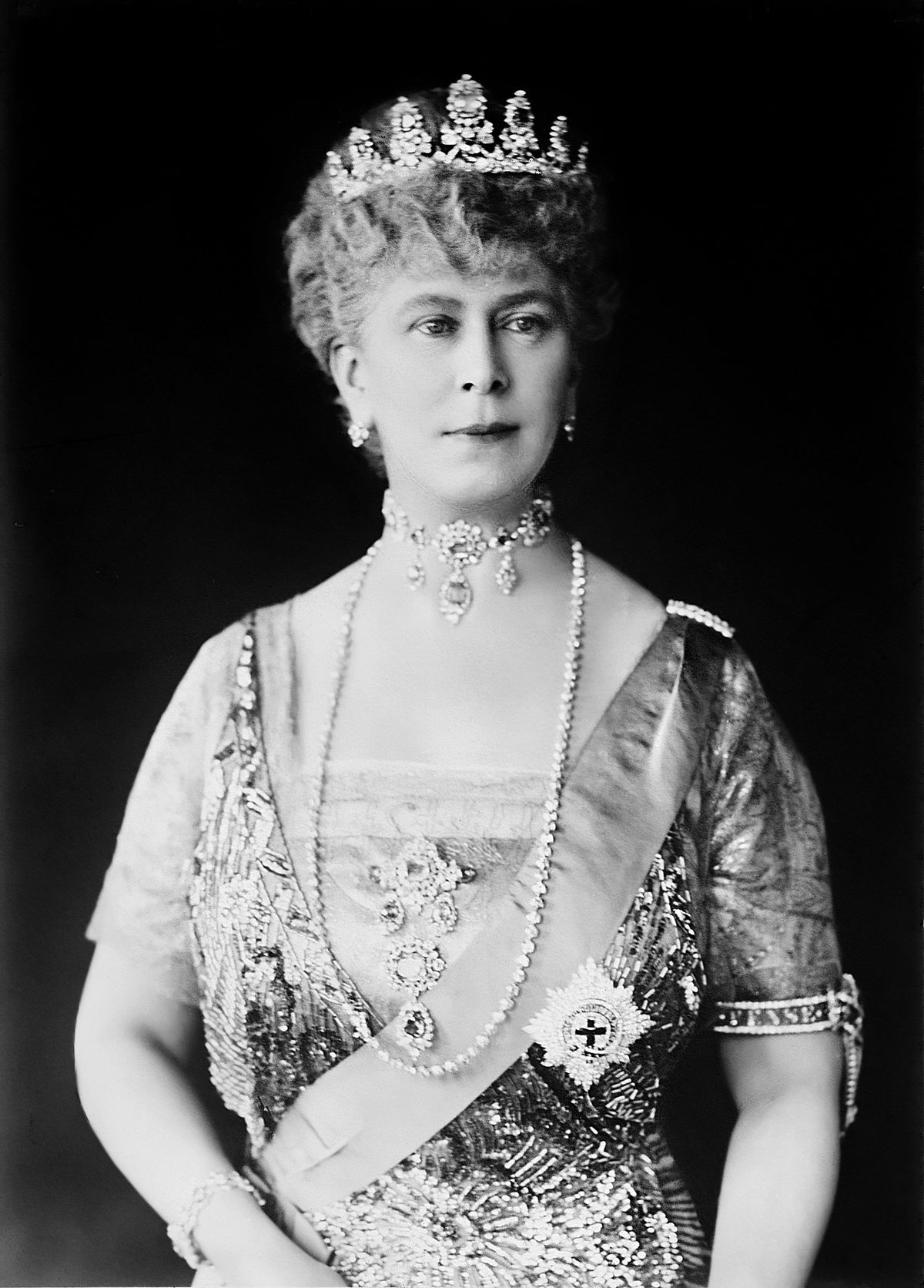
The tiara that adorned Princess Beatrice's head carries a rich narrative woven into the fabric of the monarchy's story. Originally crafted in 1919 for Queen Mary by Garrard & Co., this art deco piece, composed of 47 graduated brilliant and rose-cut diamonds set in gold and silver, was more than just a stunning gem; it encapsulated over a century of family history.
Queen Mary gifted it to her daughter-in-law, the future Queen Elizabeth (The Queen Mother), who cherished it dearly and eventually passed it on to her own daughter, Queen Elizabeth II. The tiara became a significant artifact of the sovereignty, most notably appearing on the Queen herself during her 1947 wedding to Prince Philip. The symbolism of this tiara lies not just in its beauty but also in its function as a 'something borrowed' within the royal family. In choosing it for Princess Beatrice, the Queen offered not just a family heirloom but a touchstone to the lineage of royal weddings. Through the gleaming diamonds, one could see the loving nods to tradition and the promise of continuity.
A Marriage Shaped by Unprecedented Times
Unlike many royal weddings, Princess Beatrice’s nuptials were intimate and understated. Planned during a time of great global uncertainty, the ceremony was reflective of the period's constraints yet was deeply personal and imbued with meaningful familial ties.
The decision to hold a private ceremony speaks volumes of the couple's personalities — prioritizing family and serenity over grandeur. For Beatrice, a princess known for her quiet strength and dedication to her charitable initiatives, this wedding was a fitting chapter in her life. Held at their favored Windsor, surrounded by family and a few close friends, the wedding allowed the couple to exchange vows in witness of their most cherished relationships, away from the public eye, but surrounded by love.
Among those present were the Queen and Prince Philip, who were able to share this joyous occasion in person, adhering to the health guidelines of the time. The focus on family and legacy was at the heart of this event, evidenced by the borrowed tiara, which united generations of royal brides in a single, brilliant moment.
The Human Element of Royal Traditions
Royal weddings, despite their grandeur and global attention, are intensely human affairs. They're filled with personal choices that reflect both individual personalities and family values. Princess Beatrice's decision to wear Queen Mary's Fringe tiara was one such choice, speaking to her deep affection for her heritage, her grandmother, and the monarchy's enduring legacy.
By wearing this tiara, the Princess not only honored her grandmother, Queen Elizabeth II, but she also linked her moment to a gallery of memories cherished by the nation — from the post-war optimism at the Queen's wedding to the elegance her own era demanded. It served to remind many that behind the public image of royals lies the same human desire for connection and continuity that unites us all.
Moreover, the act of borrowing — a traditional element bestowed upon brides for good luck — was a gesture full of tenderness and respect, amplifying the royal narrative of unity and familial strength. It drew a significant parallel, suggesting that even amidst changing times, certain values and traditions are timeless.
A Resounding Echo of Continuity
The Queen Mary's Fringe tiara, glittering atop Princess Beatrice’s head, resonated with more than just the legacy of the diamond bricks of monarchy. It was a testament to change, showing how centuries-old institutions adapt, honor, and evolve in harmony with personal choice and family love. As the world outside Windsor continued to confront unprecedented changes, inside the Royal Chapel, history quietly unfurled its tapestry to include another thread of continuity.
Reflecting on the power of traditions that bind and the new paths tread by the modern royals, one appreciates how the tiara symbolized both an anchor to the past and the journey of individual stories. The intimate ceremony, amplified by the echoes of history, provided a symbolic reminder that while times and circumstances may evolve, the strength and empathy rooted in family bonds stand eternal.
Thus, from the cobblestones of Windsor through a hundred years to the quiet resonance within the chapel, Princess Beatrice’s wedding was more than a union of two hearts. It was a melodic celebration of heritage, continuity, and the enduring love that crowns the essence of the British monarchy — reminding us all of the human threads that weave through time, binding past to present in a harmony of tradition and modernity.
📷 Photo: File:Web Summit 2018 - Forum - Day 2, November 7 DF1 7532 (45765936711).jpg: Web Summit derivative work: Minerva97. CC BY 2.0 via Wikimedia Commons.