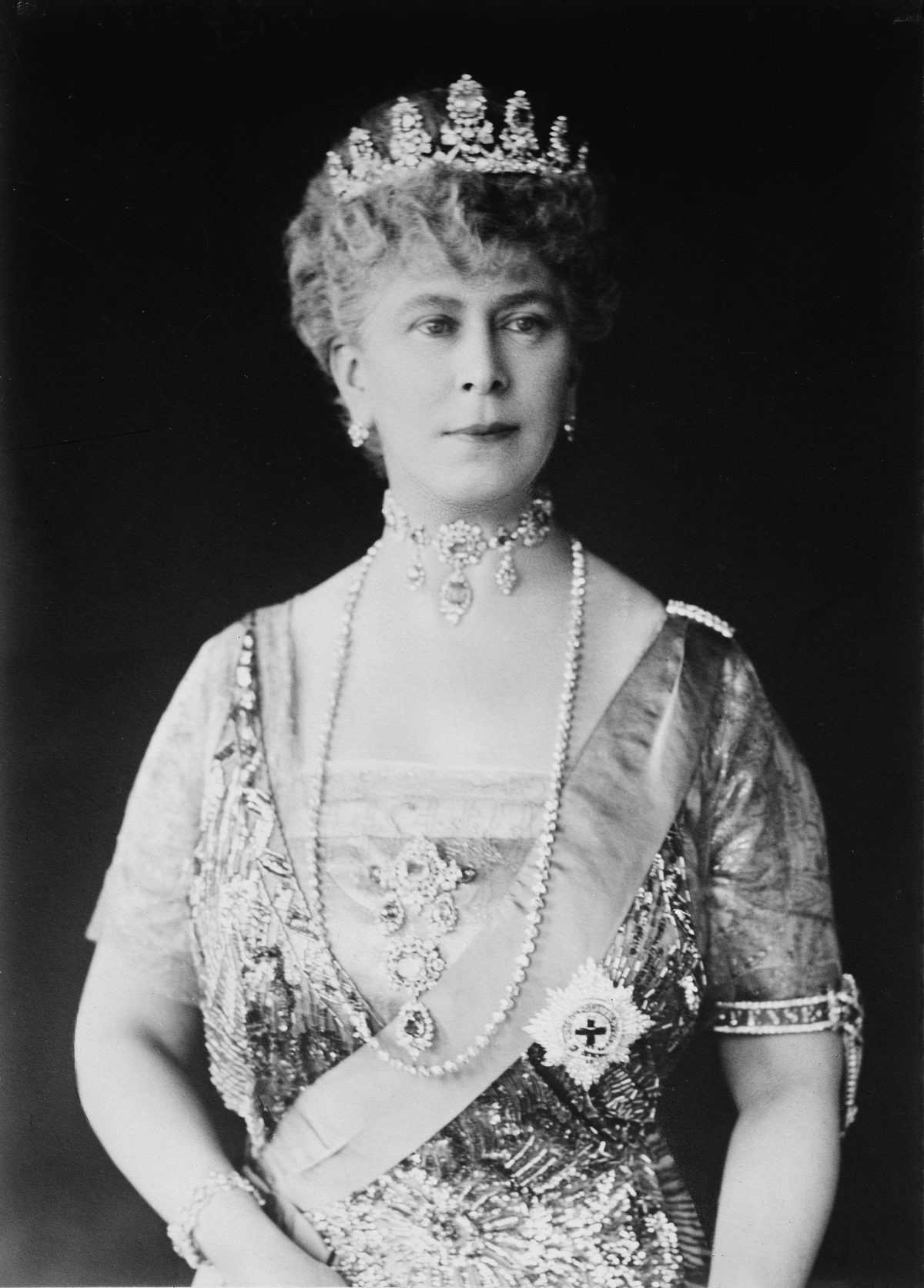
The Unexpected Arrival of a Queen
In the depths of a bitterly cold Yorkshire winter of 1941, an unexpected visitor arrived at a bustling munitions factory—a visitor with a bearing and grace that had been well noted amidst the grandeur of royal palaces, yet rarely seen amidst the gritty commotion of wartime industry. It was Queen Mary, consort of the late King George V, who, despite her decades-long reputation as one of Britain’s most adorned and formally dressed royals, chose a humble ensemble—a tweed suit—as her attire for the day. This remarkable choice set a tone that resonated profoundly with the workers who toiled away to support the war effort.
The Queen's Fashion Evolution
Queen Mary was renowned for her impeccable style and an affinity for opulent jewels and regal attire. Her fashion choices were often seen as a reflection of her pivotal role within the British monarchy—a role that underscored the importance of tradition, elegance, and sovereignty. However, the wartime period was an era that demanded adaptability and solidarity, even from those ensconced within the walls of Buckingham Palace. Her visit to the factory was remarkable not just for the change in setting but for the deliberate wardrobe choice that marked a shift in royal sartorial strategy.
Tweed, traditionally associated with country living and outdoor pursuits, contrasted sharply with the luxurious materials usually sported by the Queen. Yet, it was precisely this understated choice that communicated humility and unity with the workers she aimed to encourage. The workers received her warmly, and this mutual respect was palpable in every corner of the factory floor. Blending in sartorially was Queen Mary’s way of dismantling royal barriers, if only for an afternoon, to stand shoulder to shoulder with the very people who were defending the nation’s future.
The Emotional Impact of a Royal Touch
Queen Mary's visit extended not just to her remarkable choice of clothing but to her warm, personal engagement with the factory workers, most of whom were women contributing tirelessly to the production of vital munitions. For hours, she moved across the busy floor, offering words of encouragement and thanks, and most poignantly, shaking hands with each worker in a gesture of heartfelt gratitude and solidarity.
Her visit served as a powerful morale booster, a demonstration of royal acknowledgment and support for their efforts during such a tumultuous time. The women of the factory, dubbed the "munitionettes," found a potent ally in Queen Mary, who, at 74 years old, was not defined by age or prior conventions of royal propriety, but rather by a timeless duty to her people. This compassion and empathy created a bond far stronger than any ornate gown or diamond tiara could ever achieve.
A Reflection of Wartime Spirit
The early 1940s were defined by a collective British spirit, an indomitable will to endure and overcome that spread across the nation. The munitions factory in Yorkshire was one of many sites where this spirit was harnessed and utilized to propel Britain towards eventual victory. Queen Mary's visit was representative of the royal family's efforts to lift the nation's morale during the war.
Her sartorial choice became emblematic of a shared struggle, reinforcing the notion that every echelon of British society, including its most illustrious figures, was united in the mission to defend the homeland. Without jewels, without the traditional trappings of royalty, Queen Mary illustrated the power of symbolic gestures, demonstrating that royalty was not aloof or detached, but actively engaged in the nation's narrative.
The Legacy of Compassionate Monarchy
Reflecting upon Queen Mary's poignant visit to the munitions factory, we find echoes of the same compassionate approach that continues to define the British monarchy. Today, the modern royals carry forward this legacy, championing causes that bring them closer to the public's heart, exemplifying empathy and understanding in times of need. Queen Mary’s gesture in 1941 laid a foundation—a reminder of the profound impact that comes from sincerity and a willingness to step beyond tradition when the moment calls for it.
In examining this moment from the past, we find a reminder of the timeless values that underpin the monarchy: duty, devotion, and dignity, regardless of circumstance. Queen Mary’s choice to don a tweed suit and exchange handshakes reminds us of the monarchy’s enduring ability to unite, to inspire hope, and to embody the very essence of a nation’s spirit. It is a legacy that continues to endure through the ages, honoring the past while inspiring the future.
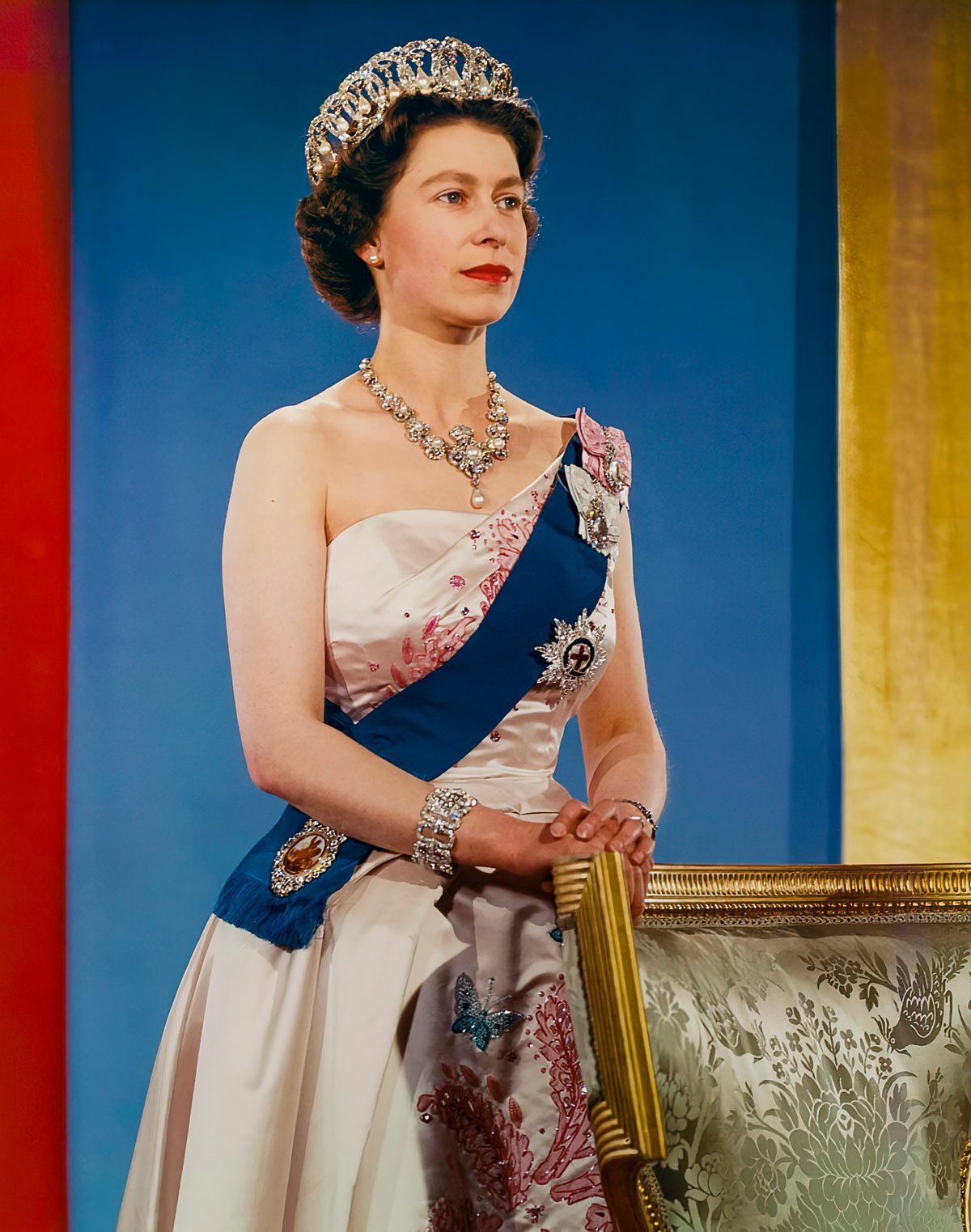
📷 Photo: W. & D. Downey. Public domain via Wikimedia Commons.