The year was 1839, and an extraordinary moment in British history was unfolding—one that would forever alter the fate of Queen Victoria and Prince Albert. As London's gas-lit streets settled into a chilly autumn evening, a young prince from Saxony found himself alone with an open letter in his hand, penned by the Queen herself. It was a letter that changed everything, bringing with it not only the joy of a union but also the pangs of profound transformation. What unfolded was a deeply human moment, one that brings to light the struggle of Prince Albert as he grappled with the magnitude of his future alongside Queen Victoria.
The Proposal That Changed History
Queen Victoria’s proposal to Prince Albert was a bold departure from the traditional gender roles of her era, marking the first in a series of trailblazing acts by Her Majesty. As queen, Victoria held the power and rank that inverted traditional courtship conventions, leaving her to assume the role of proposer. On October 15, 1839, Victoria, headstrong yet tender-hearted, committed her love to paper, requesting Albert’s hand in marriage. It was a momentous decision for the young queen, a mere twenty years old, yet poignantly aware of the societal expectations resting on her shoulders.
Albert, too, was young and brimming with ideals of duty and moral values. At 20, he stood at the precipice of a monumental decision. While the prospect of marrying the Queen of England was a tremendous honor, it was also beset with challenges. To marry Victoria was to forsake his homeland, surrender his independence, and assume a life lived perpetually in the shadow of his wife.
Weighing a Lifetime of Sacrifices
Those who were close to Albert described his disposition with admiration and empathy, noting the quiet dignity with which he carried the weight of his new reality. Born in the Duchy of Saxe-Coburg and Gotha, Albert was proud of his European roots, and leaving them behind was no small feat. As he read and reread Victoria's heartfelt letter that night, the enormity of his choices loomed large.
Historically, marital alliances among the royals often involved political gain and strategic positioning, yet here lay an unmistakably modern emotion: fear of the unknown. The role he was to assume, that of a prince consort in a foreign land, came undefined and unbounded by tradition. Albert found himself asking, "Who would he be without a realm of his own to govern?”
"She was Queen. He was a prince with no power, no role, and no country to call his own."
Endeavoring to find his place, Albert would confront skepticism from various corners of British society, ready to question his every move and capability. To the world, he was a prince marrying a queen, but internally, he faced the sacrifice of personal sovereignty in exchange for a life dedicated to a shared monarchy.
The Life That Lay Ahead
Albert’s tears that fateful night marked the beginning of a public and private transformation; he would gradually come to embody a pioneering vision of marital partnership. Their marriage, consummated with vows on February 10, 1840, was set amidst the opulent confines of The Chapel Royal, St James's Palace. The royal court buzzed with excitement, the elite gathering to witness the union of two dynasties that promised prosperity and progress.
In time, Albert’s fears gave way to resolve. Without an official political platform, he nevertheless became one of Victoria’s closest advisors and confidants, navigating the delicate balance between support and leadership. He championed issues such as education and the abolition of slavery, gradually earning the respect and admiration of the British public.
Victoria, forever grateful for his unwavering support, provided him with a platform to translate his ideas into meaningful reforms. Their partnership, rooted in deep affection and mutual respect, proved a remarkable blend of personal and political alliances, reshaping the monarchy into a beacon of modern governance.
Finding a Role in Victoria’s Shadow
It was not easy for Albert, yet together with Victoria, they created a family environment that celebrated both traditional values and innovative thinking. As they built a family of their own at Osborne House on the Isle of Wight, Albert's architectural and educational interests found fervent expression. Far from the initial trepidations of losing himself, Albert began to carve out a place in history as a stalwart supporter of Victorian advancements—his legacy immortalized through the fruition of the Great Exhibition of 1851.
Albert’s experiences as prince consort highlight the shifts within the monarchy—away from insular aristocracy and towards a more engaged and publicly involved institution. His lifelong commitment to these ideals has left an indelible mark on the British royal legacy, reinforcing a truly symbiotic relationship with one of Britain's most famous monarchs.
A Moment Resonating Through Time
As we look back upon the night Prince Albert wept over Victoria’s proposal letter, we find a narrative not only of renunciation but of compassion and collaborative strength. It’s a narrative that underscores the very human aspects behind the grandeur of royal duties and reminds us that change often begins with uncertainty. His journey, from the uncertainty of a young prince unsure of his role to a celebrated figure in British history, remains a testament to the transformative power of love and partnership.
In an age when the monarchy continues to evolve, Albert's story resonates with modern themes of identity, duty, and hope. It reminds us of the profound impact that empathetic leadership can leave on both a personal and national scale. Prince Albert and Queen Victoria's loving and enduring legacy is a portrait of unity that continues to inspire the royal family today, epitomizing the timelessness of their profound and human connection.
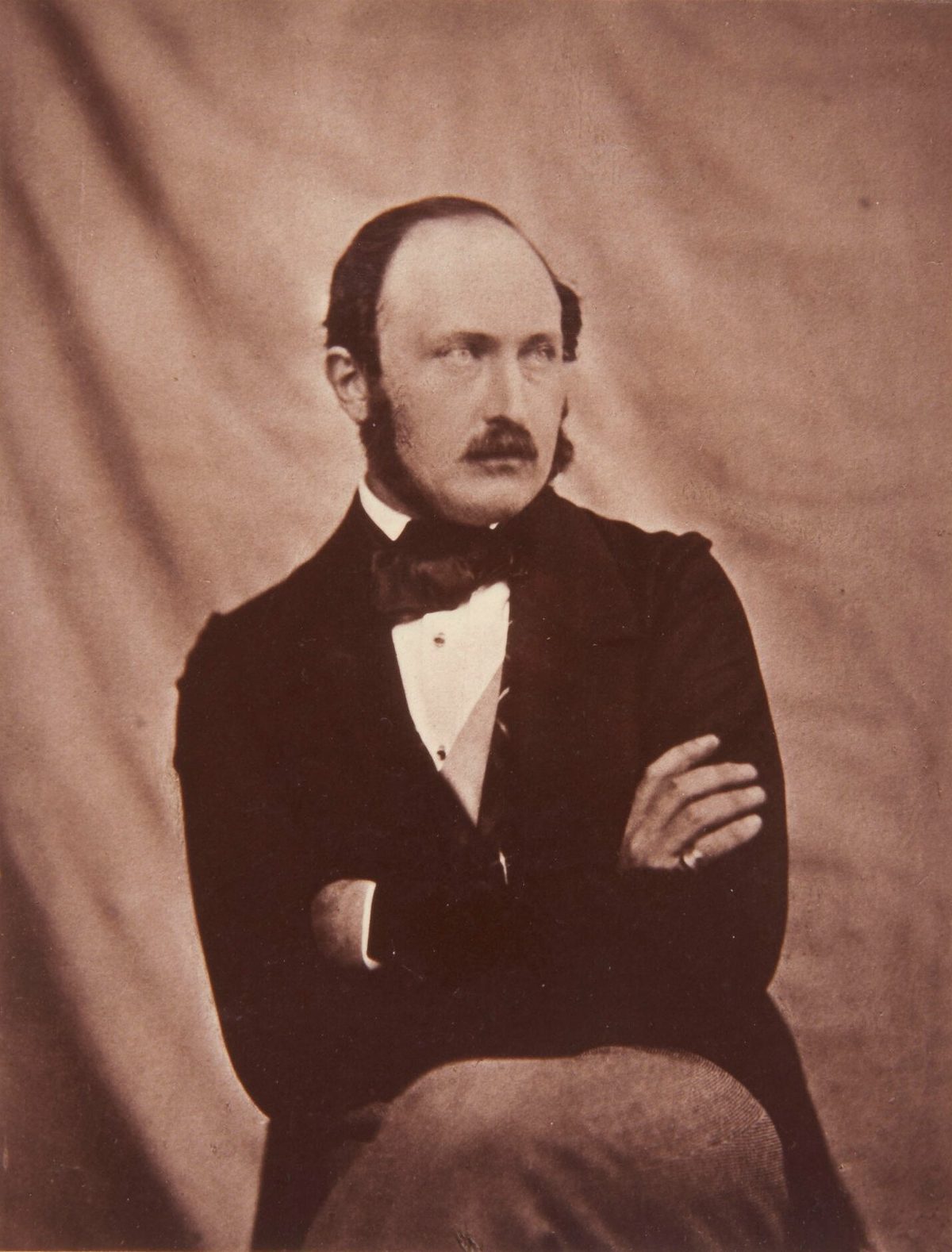
📷 Photo: Roger Fenton. Public domain via Wikimedia Commons.