September 1940. It was one of those rare moments when history seemed to pause, just long enough to allow the world to realize its enormity. For many, the news was as simple as it was shocking: a German bomb had scored a direct hit on Buckingham Palace. The very seat of British majesty had been breached. Yet, rather than fleeing to the safety of the countryside as many had done, King George VI chose to stay — a decision that would silently resonate with his people and become emblematic of his steadfast reign.
The Attack on Buckingham Palace
The air was crisp, and across London, the sound of air raid sirens was becoming all too familiar. On the morning of September 13, 1940, during the grueling days of the Blitz, Germany launched one of its many aerial attacks on the city. Across the Thames, Londoners braced themselves as the terrible drone of enemy aircraft grew closer. Amidst this backdrop of anxiety and resilience, a shocking event unfolded: Buckingham Palace itself became a target.
High explosive bombs struck the palace grounds, destroying the Chapel and causing significant damage to the Palace itself. King George VI, along with Queen Elizabeth and several members of the royal staff, was present during the attack. It was a moment that could have been steeped in panic, yet what followed was an enduring testament to the royal family's bravery and resolve.
"I'm glad we have been bombed," the Queen would later reflect famously, feeling that this shared experience brought them closer to their subjects. It was this quiet courage that bonded the King and Queen to their people, creating a palpable sense of shared destiny.
Choosing to Stay
While the bombings damaged the grand state rooms and left shards of glass and debris littering the floors, the greatest shock for many was that the royals had chosen not to evacuate. Despite having a secure country retreat at Windsor Castle, a significant distance from the unfolding chaos of the capital, King George VI insisted on remaining at Buckingham Palace.
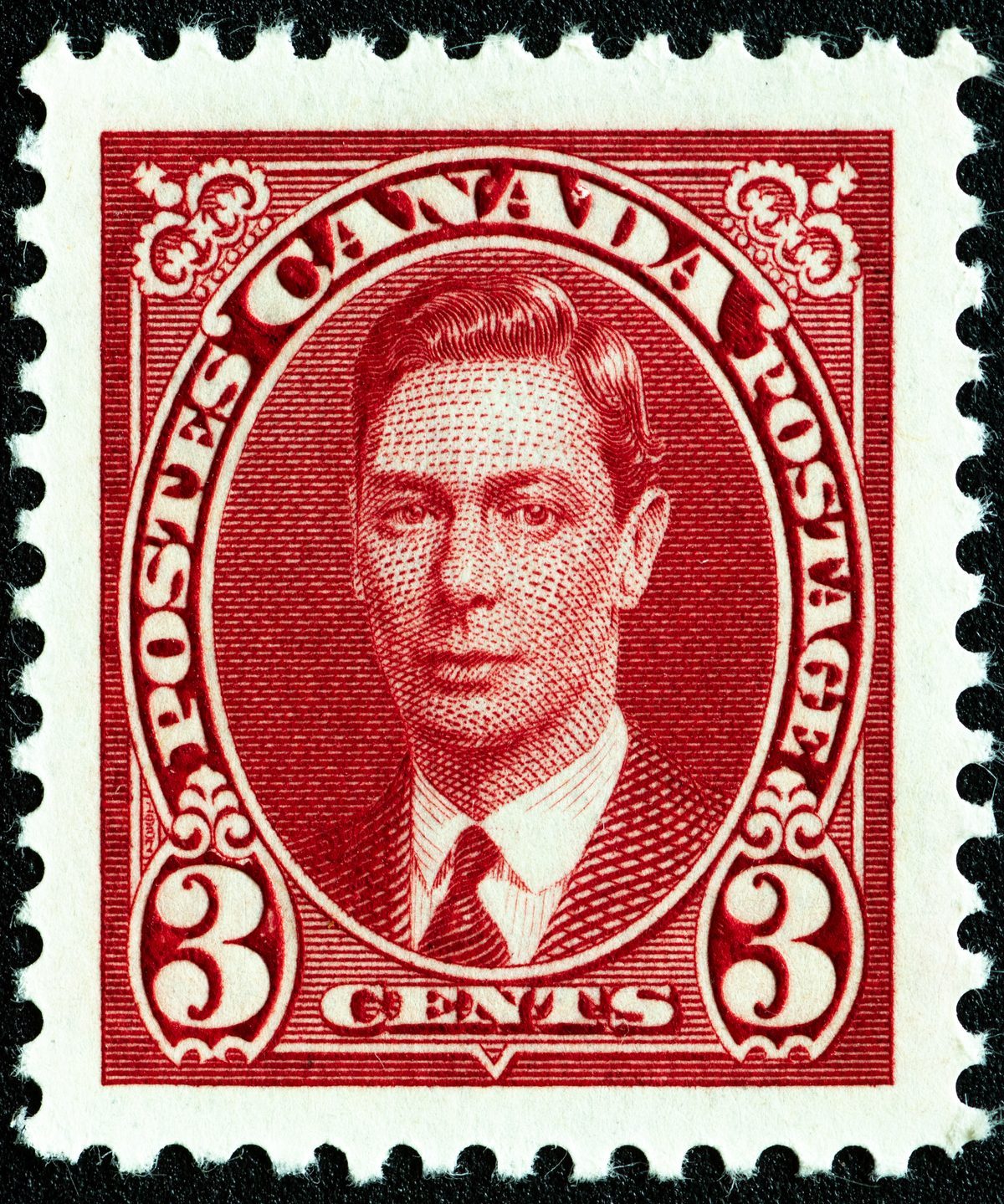
What lay behind this steadfast decision? In many ways, it was a reflection of the man himself. King George VI, who had unexpectedly ascended the throne in 1936 following the abdication of his brother, was renowned for his empathetic approach to leadership. Often perceived as shy, King George was determined to embody a sense of duty and solidarity that bolstered the nation's morale.
By choosing to stay put, even as bombs fell around him, George VI sent a powerful message to the British people: he was with them, enduring the same hardships, facing the same risks. He refused to be seen as a distant figure of privilege, isolated from the struggles of the ordinary citizen.
The Night on the Floor
With palace windows shattered by the force of the bombs, a chill must have crept into those grand rooms that night. King George VI, in his typically understated manner, decided to sleep on the palace floor beside the broken windows. Wrapped in blankets, he spent the night not in the comfort of a regal bed, but on cold stone, somberly reflecting on the events of the day and offering a silent kinship with those whose homes had been reduced to rubble.
This singular act of humility was more than an empathetic gesture; it was a profound connection with the men and women fighting for survival throughout London.
It’s moments like these where the human heart of royalty becomes startlingly visible, transcending titles and opulence and finding kinship in the devastation of war. The image of the monarch in such humble circumstances spoke volumes and resonated deeply within the hearts of a war-weary public.
A Lasting Legacy of Unity
In the years that followed, stories from the Blitz and the Second World War became woven into the fabric of Britain’s collective memory. They are tales of bravery, hardship, resilience, and sacrifice. For King George VI, that night on the palace floor became emblematic of his wartime rule. It was a subtle, yet powerful statement of solidarity that would upgrade his status from aristocratic ruler to the cherished leader of a nation under siege.
Today, many remember King George VI as the “reluctant king” who rose to the occasion during Britain's hour of need. His legacy is not only found in his modernizing touches to the constitutional role of the monarchy but also in this personal tale of quiet courage amidst adversity — a king sharing in the lives of his people.
More than eight decades later, the steel and compassion displayed by George VI continue to serve as an inspiring reminder of leadership rooted in community and shared experience. As we navigate our modern struggles, the example of a monarch who slept on the palace floor so his people would know he stood with them continues to resonate as a standard of duty and empathy.
📷 Photo: Hayden Soloviev. CC BY 4.0 via Wikimedia Commons.