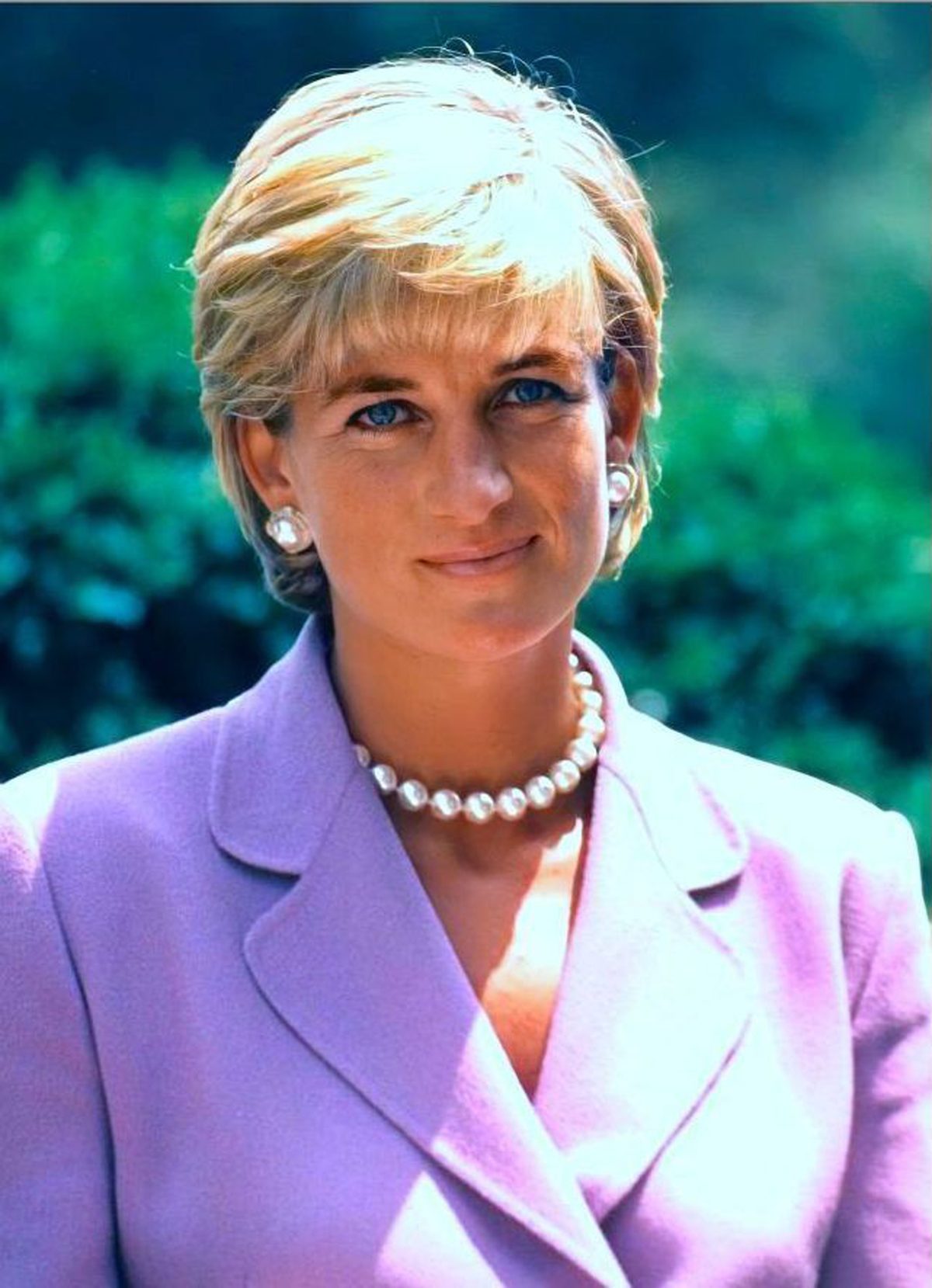
In the winter of 1989, New York City buzzed with the excitement of hosting a royal visit. The city was used to celebrity visits, but this was different; this was Diana, Princess of Wales. Her presence was expected to be a whirlwind of glamorous events and official gatherings, yet amidst this tightly scheduled tour, Diana chose to create her own quiet moment of connection. A visit that wasn't publicized, wasn't filmed, and wasn't planned — it was, in every sense, purely human. This day, she stole away to a pediatric ward in Harlem, where she found solace cradling an innocent and fragile life that the world had seemed to overlook.
Defying Tradition for Compassion
During her time, the British monarchy was known for its formality and tradition, often keeping a safe distance from spontaneous acts of empathy that could misinterpret their regal duties. However, Princess Diana consistently broke the mold. Her affinity for warmth contradicted the tightly woven fabric of royal life. Critics lauded the monarchy but yearned for a more human touch, something Diana seemed determined to offer. Her surprise visit to Harlem demonstrated this defiance — a bold step away from the common tourist paths towards a place bathed not in lights but in shadows of a public health crisis.
The AIDS epidemic loomed over the late 80s, bringing with it both stigma and fear. Even as misinformation reigned, Diana emerged as a symbol of hope and understanding. Her actions in Harlem that day represented kindness that knew no limits, and love that saw no boundaries. It was she who stepped, gently but firmly, into spaces where fear resided, bringing with her the strength to confront it with compassion.
A Royal Escapade of Heart
On that morning, bypassing her royal entourage, Diana made her way to one of Harlem's hospitals. The environment was starkly different from the opulent halls of Buckingham Palace and the fashion-laden paparazzi streets of New York. Here, there were no curtsying guests or flashing cameras. Instead, there were abandoned children, victims of an unforgiving virus that had shadowed their infancy with an unspeakable loneliness.
Striding through the haunted stillness of the ward, Diana reached the bedside of a solitary baby, rocking gently in a crib. Her eyes, often portrayed in photographs with a sparkling brightness, now shone with a tender sadness but also an unstoppable resolve. Alone and undisturbed, she picked him up, a simple act of motherly affection. And for those 40 delicate minutes, the world outside ceased to exist.
Wrapped in Diana’s warmth, the infant experienced probably what we might imagine as the touch of love. What it conveyed was more than a momentary gesture. It was a statement. It was reassurance. A reaffirmation that regardless of the world’s fears, being human was about bending down, without gloves and without hesitation, to help someone up.
Impact Beyond the Palace Walls
Diana's unannounced visit was far from a mere effort to wear her compassionate heart on her sleeve. The impact was far-reaching, bending the stiff etiquette of royal visits towards a more heart-led narrative. Her consistency in making humanity’s struggles a part of her own story — and challenging prejudices using nothing more than her presence — gave her remarkable power in shaping the monarchy's image not just as custodians of tradition, but also as advocates for transformation.
While the British royal family was evolving into a more modern institution, Diana led by example, embodying a softer regal image that connected with people on an emotional level, regardless of social status. By holding an infant with AIDS, she dismantled prevalent fears, creating awareness and urging others to follow her bravely paved path of empathy.
The Legacy of an Extraordinary Morning
Diana's spontaneous compassion that morning continues to ripple through time. It marked not just a transformative moment within the monarchy but also in the broader public consciousness. Her actions that day remain a testament to bravery and love in the face of societal fear, influencing countless humanitarian efforts and aiding in the gradual decline of AIDS stigma.
In recalling this small yet profound happening, one is reminded of Diana’s enduring legacy. She was more than just a princess. She was a champion of those who oftentimes had no voice. In that quiet Harlem ward, without the grandeur of a public audience, Diana revealed her true royal essence — a commitment to the humbling duty of touching lives, upholding humanity, and lighting the path forward with compassion.
As we reflect on that modest room where Princess Diana held a vulnerable life on her own terms, we are reminded of the timeless power of empathy. Her story invites us to cherish human connections as part of our regal heritage, a narrative passed down with hope for future generations to embrace. Indeed, the world witnessed more than a royal visit in Harlem; it witnessed the noble heart of humanity expressed through the grace of a princess.
📷 Photo: John Mathew Smith & www.celebrity-photos.com from Laurel Maryland, USA. CC BY-SA 2.0 via Wikimedia Commons.