On Christmas Day 1936, the world stopped to hear the voice of a reluctant king. King George VI, standing in the shadow of his late father and the unexpected abdication of his brother, had found himself upon a throne that was never meant for him. As the airwaves crackled to life and the nation held its breath, few knew the immense battle he had fought in the quiet of a small chapel at Windsor earlier that day. There, he had practised his speech in solitude, mustering the strength to face not just a microphone, but the weight of a kingdom.
A Monarch by Circumstance
1936 was a year unlike any other in the annals of British history, a year marked by constitutional crisis and the abdication of Edward VIII. When King Edward chose love over the crown, it thrust his younger brother, Albert Frederick Arthur George, or "Bertie" to his family and friends, into the unforeseen role of king. Known for his reserved manner and a chronic struggle with stammering, George VI's accession was met with a mix of apprehension and hope.
The world had been accustomed to the flamboyance of King Edward VIII, who captivated the press and public alike. King George VI was the antithesis of his brother — quiet, earnest, and often reticent. Yet beneath this exterior lay a heart full of steadfast resolve and duty, a determination to bear the weight of the crown with dignity.
The Hidden Battle
The first Christmas broadcast as the sovereign of a global empire was no small feat. The tradition, established by his father, King George V, was a vital part of the royal calendar. It offered a means for the monarch to connect personally with subjects across the vast Commonwealth, and, in 1936, it provided King George VI with an opportunity to solidify his nascent rule.
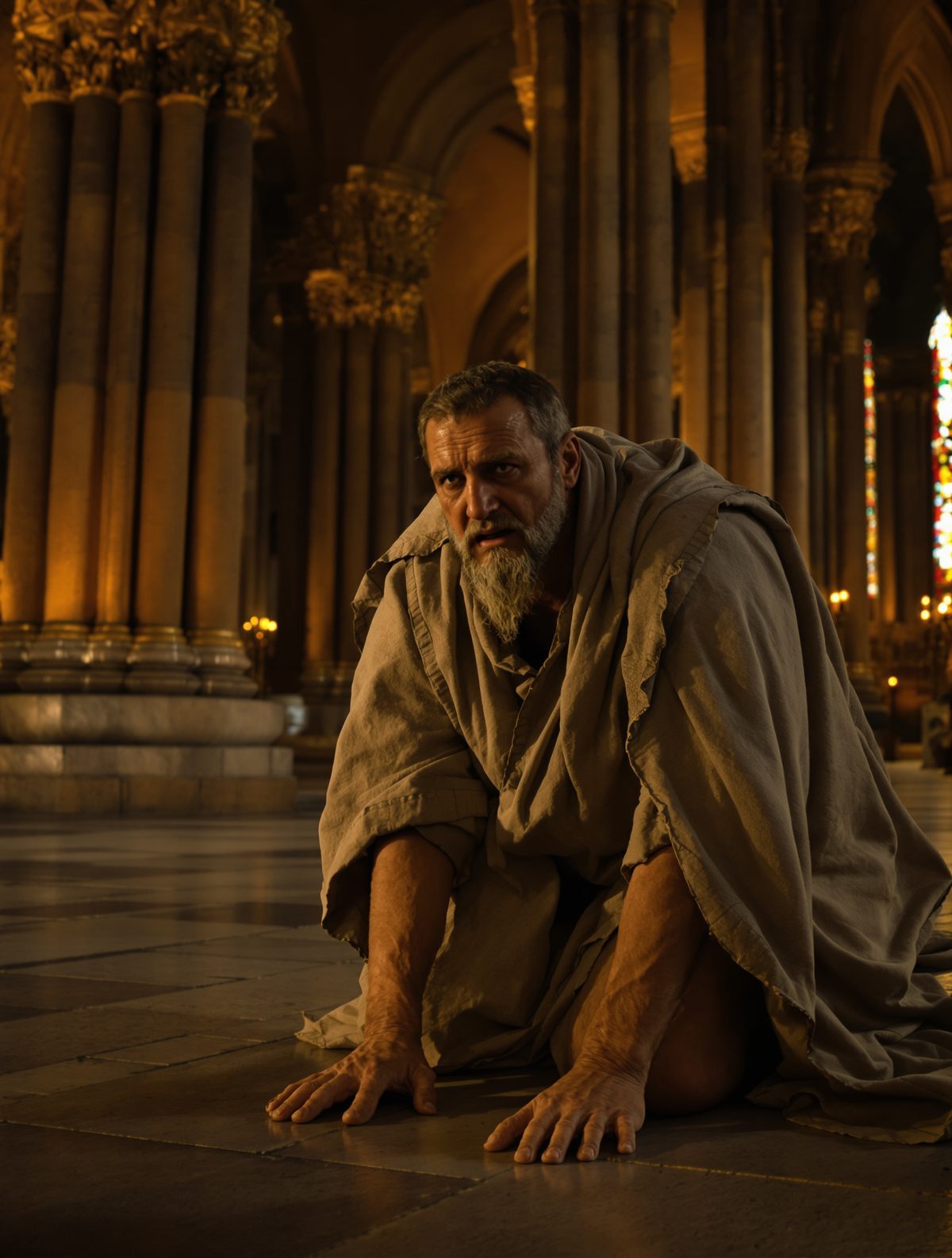
Few understood the personal trial this posed to the king. His speech was like a public examination, and with millions listening, it was crucial he express himself clearly and confidently. But the shadow of his stammer was relentless. Seeking solitude and inspiration on Christmas morning, he retreated to a private chapel within the grounds of Windsor Castle—a place echoing with centuries of tradition, yet offering the solace he desperately needed.
The chapel, a haven of quiet contemplation, enveloped King George VI with a serenity that was rare amidst the pressures of kingship. There, he rehearsed his broadcast, letting each word resonate until it flowed with the natural cadence he yearned for.
The Emergence of a New Voice
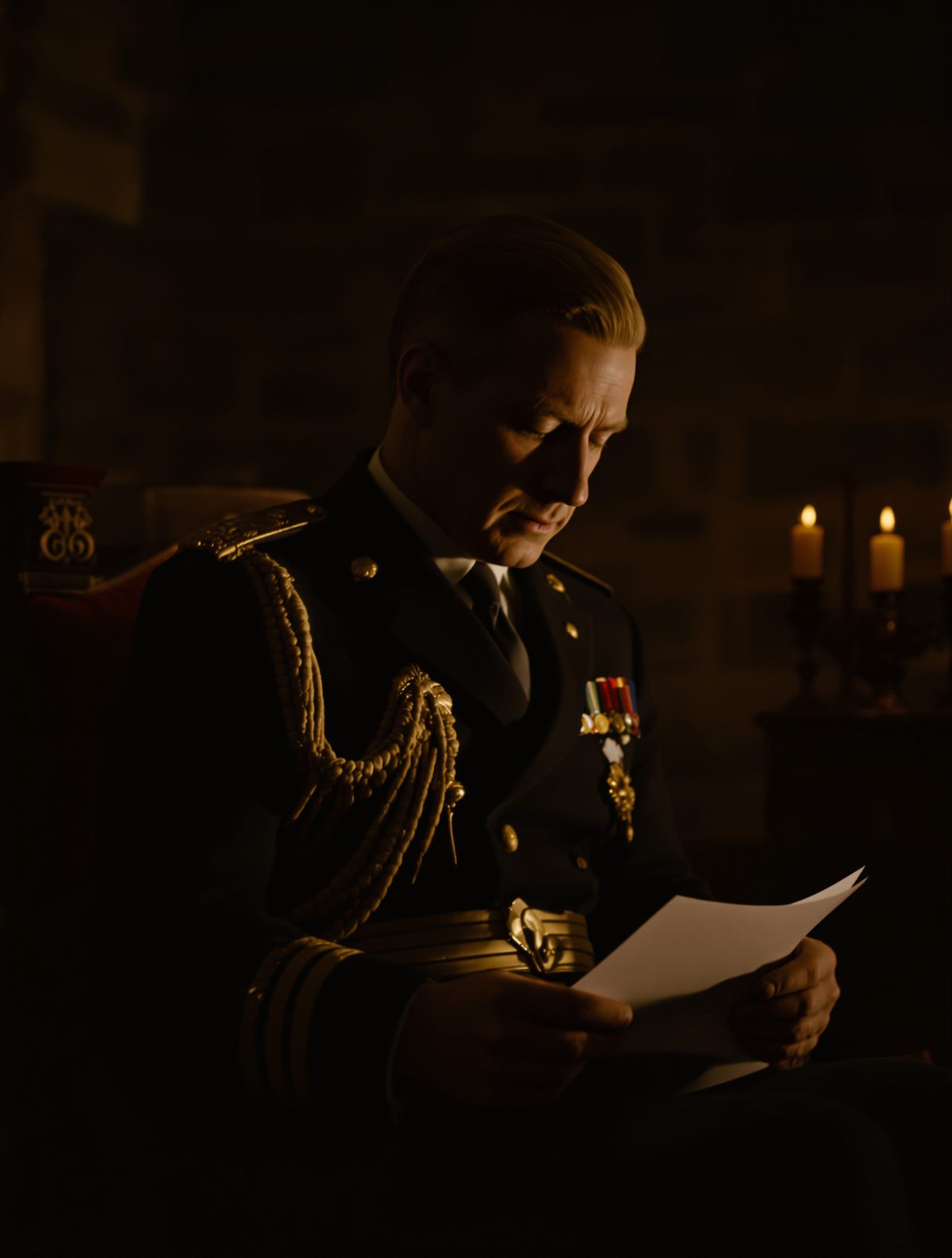
As noon approached, King George VI emerged from the chapel with a renewed spirit. Stepping into a role he had prepared for intimately over countless hours, he sat before the microphone, his heart likely a medley of anxiety and resolve. His speech, though undoubtedly challenging, would become a milestone moment; it signified not just the acceptance of his new responsibilities but also his triumph over personal tribulations.
The words of King George VI during his broadcast were not just a message of goodwill—they were a testament to resilience. He spoke directly to the people's hearts, reassuring them of his commitment to lead the nation with integrity and compassion. His delivery was imbued with sincerity, each syllable a triumph over the struggle with a stammer that had been his lifelong companion.
Legacy of a Courageous Monarch
King George VI's reign would become an era marked by significant challenges, from navigating the turbulent waters of World War II to leading a nation through recovery. Yet, his Christmas Day speech in 1936 distinguished itself as a powerful symbol of how personal strength underpinned public duty. The vulnerability he overcame to reach a viewership of millions became a testament to courage—one that inspired and fortified the British people.
In the years to come, King George VI's voice would become synonymous with perseverance. His continued dedication to the cause of public service, despite personal afflictions, carved out a specific place in the hearts of his contemporaries and descendants alike.
Echoes Today
The tale of King George VI practising his speech in Windsor's chapel is a poignant reflection of the monarchy's underlying humanity. While the world often sees crowns and glory, palaces, and prestige, stories like this reveal the deep-rooted responsibilities and the profound human experience of those who wear the crown.
Today, as the British monarchy continues to evolve amidst the ever-changing tides of modernity, the legacy of King George VI stands as an enduring reminder: that strength often lies in resilience, and leadership is a journey best undertaken with humility. His story reminds us that even the highest of positions do not preclude vulnerability, and that true nobility often shines brightest not in golden moments but in personal victories quietly won.