She had buried a husband, watched a son abdicate, and nursed a nation through two wars. Nothing prepared Queen Mary for outliving another of her children. The gown she chose the day King George VI died was no accident. Every detail spoke the words she would never say aloud.
The Stalwart Mother of the Monarchy
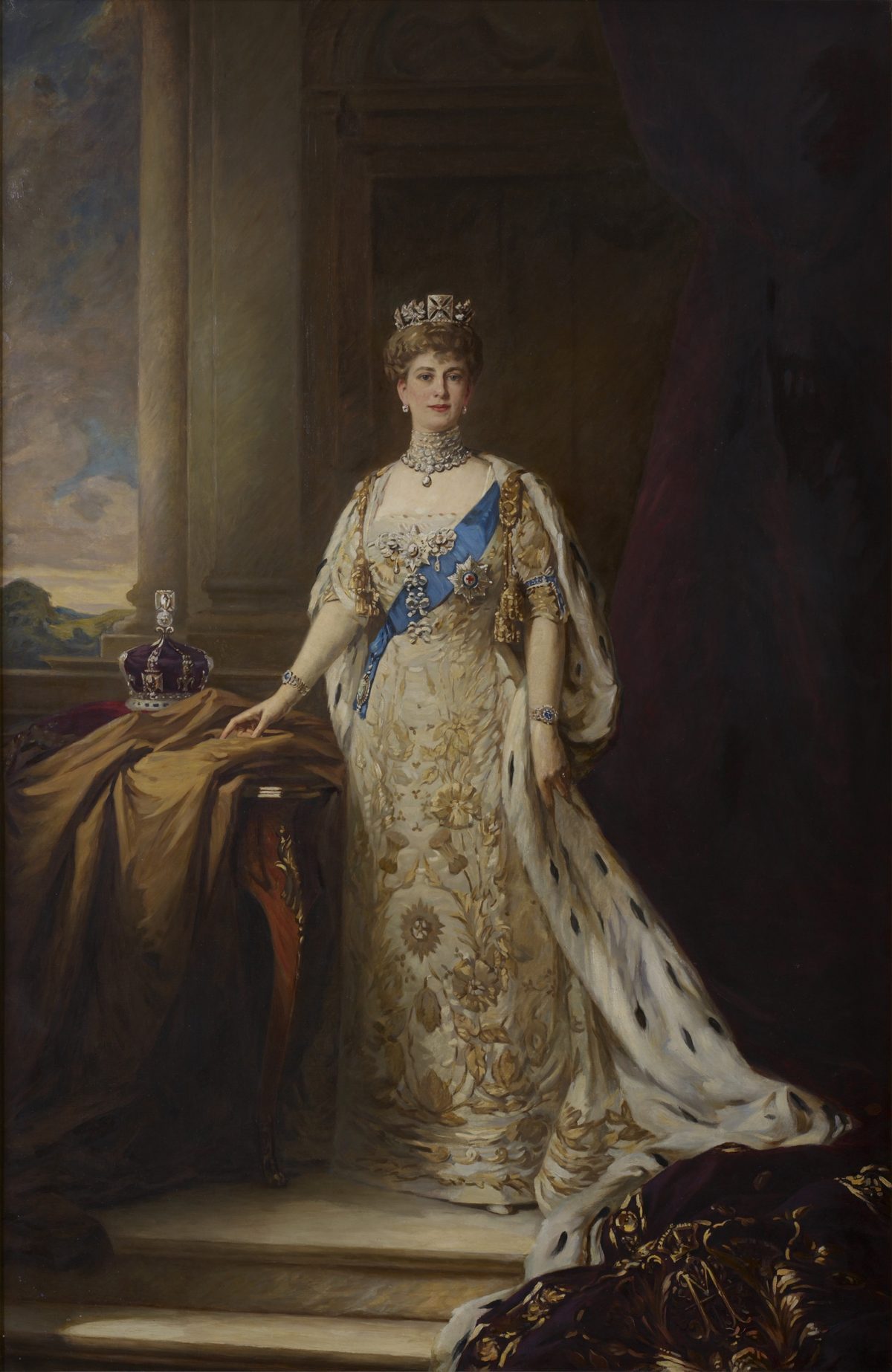
In the annals of British royalty, few figures embody the endurance of the institution quite like Queen Mary. Born Mary of Teck, she became consort to King George V and matriarch to a royal line that would see both prosperity and turbulence. Known for her stately demeanor and unwavering dedication to royal duty, Queen Mary steered her family through the First World War, social upheaval, and an era of rapid change.
As crises unfolded in the world, her personal life was not without challenges. She witnessed her son Edward VIII's infamous abdication — a personal and constitutional crisis — choosing duty over personal affection. Despite these trials, Queen Mary's public visage remained one of calm and composure. However, on February 6, 1952, when she lost her third son, King George VI, at the age of 84, even the indomitable Queen Mary allowed a crack in her facade, revealed most poignantly through the choice of a particular gown.
The Gown: Unspoken Words in Fabric
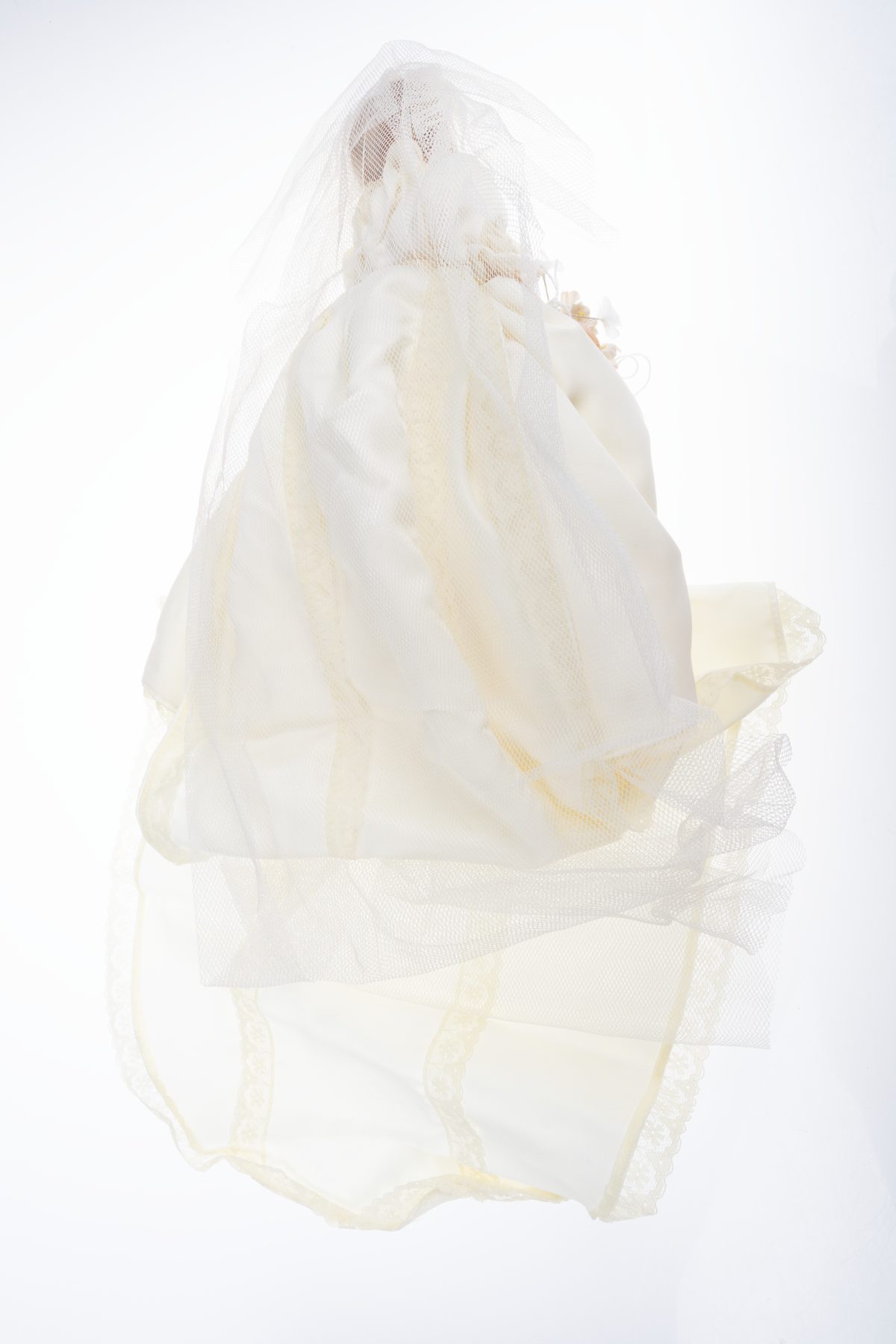
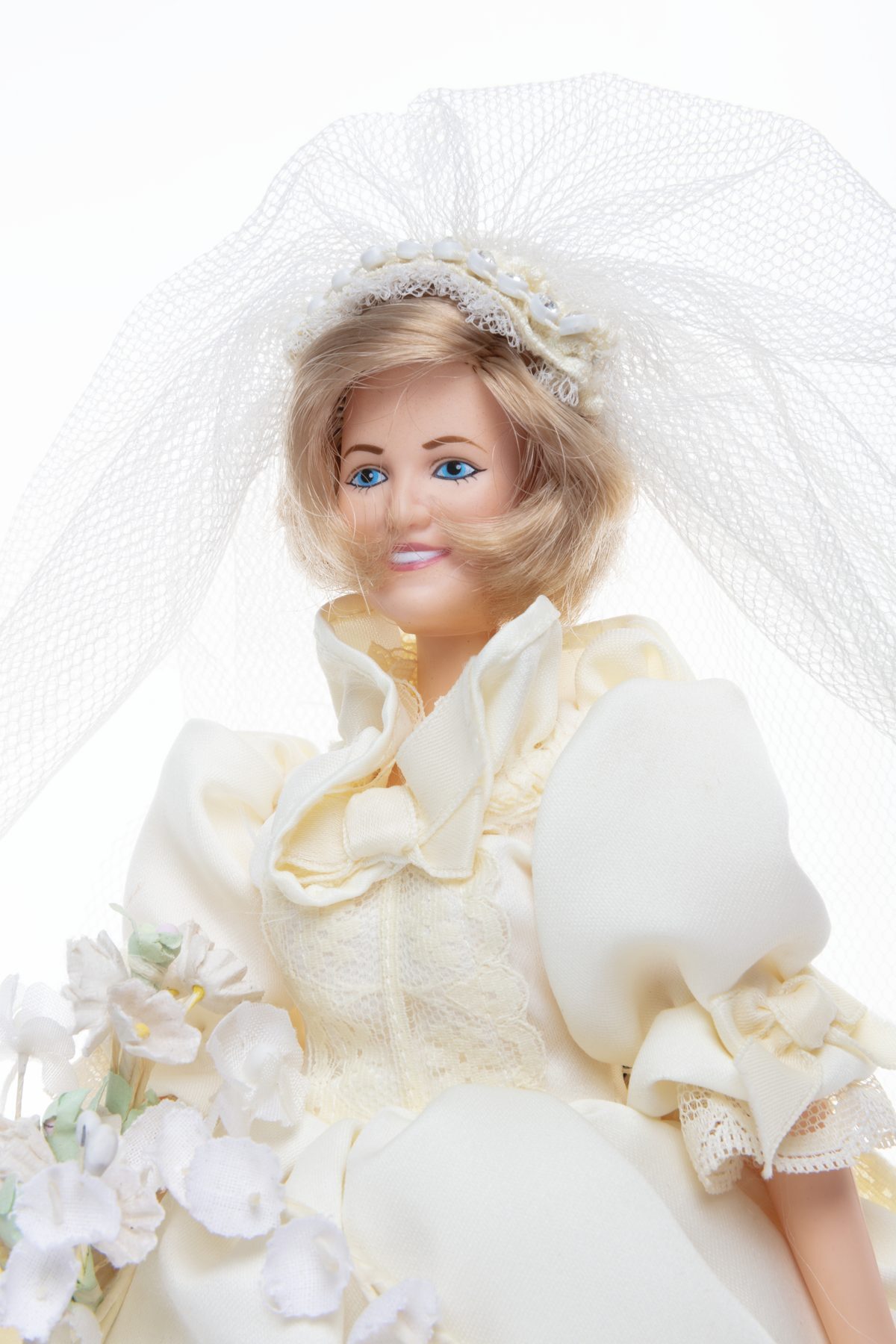
Queen Mary was a woman who understood the language of clothing. Every garment, accessory, or jewel she wore conveyed messages and told stories, often too nuanced for words. So when she chose a silver gown to mourn King George VI, it was not a decision rooted in vanity or fashion. Rather, it was a deeply considered act of personal expression.
The gown was simple and unadorned, lacking the embellishments one might expect from someone of such magnificent stature. Its simplicity was a reflection of her grief — raw, unembellished, yet dignified. The pallor of silver was akin to the fog hovering over Britain in those bleak February days, illustrating both the nation's mourning and a mother’s profound personal loss. The fabric caught the light subtly, much like memories of happier times intertwined with present sorrows.
Royal Court: A Resilient Community
The court in 1952 was a world entwining modernity with tradition. Queen Elizabeth II was ascending to the throne amidst a rapidly evolving post-war society. Despite the foreboding shadow cast by King George VI’s passing, Queen Mary remained a constant and reassuring force within the royal family and the nation at large.
Queen Mary’s experience and fortitude were her gifts to a grieving nation. Her resolve was shared by the courtiers and extended family, who upheld decorum and continuity during the delicate transition. The Queen's gown, thus, stood not only as a personal emblem but also as a poignant reminder of the monarchy’s constancy even in times of sorrow and change.
A Mother’s Quiet Journey
Queen Mary’s life was marked by her profound commitment to her children and, by extension, to the British people. Her relationship with her sons was intricate, woven with royal duty and personal affection. Watching her son ascended to power as George VI after the abdication crisis left her with mixed emotions — pride and sorrow mingling.
His untimely death further compounded the layers of grief she already bore. Her gown’s somber hues and quiet elegance reflected the complexity of a mother’s love mixed with unutterable sorrow. Yet, her role required strength in vulnerability, demonstrating the silent resilience that perhaps only other mothers could fully comprehend.
Echoes Through Time
The monarchy has seen much transformation since the days of Queen Mary, but the influence of her legacy echoes still. Her penchant for illuminating the unspoken through the elegance of dress continues to inspire generations. Her life stories remind us of a time when fashionable choices carried weighty significance, mirroring the thoughts and emotions unvoiced, yet deeply felt.
As we reflect on the stories of those who have occupied Britain's grand palaces, wearing their trials with grace, we find ourselves welcoming the royal family into a modern world, carrying with them the gentle whispers of the past. Queens, like Queen Mary, are reminders of the powerful blend that tradition and emotion can offer even to this day.
In the gown Queen Mary wore to mourn her son, we find more than a symbol of loss. It stands as a powerful testament to the enduring heart of a mother, to the unyielding strength of the monarchy, and to the timeless dance between duty and sentiment — a dance that, like silver thread in fabric, weaves its way through the ages.
📷 Photo: After William Llewellyn. Public domain via Wikimedia Commons.