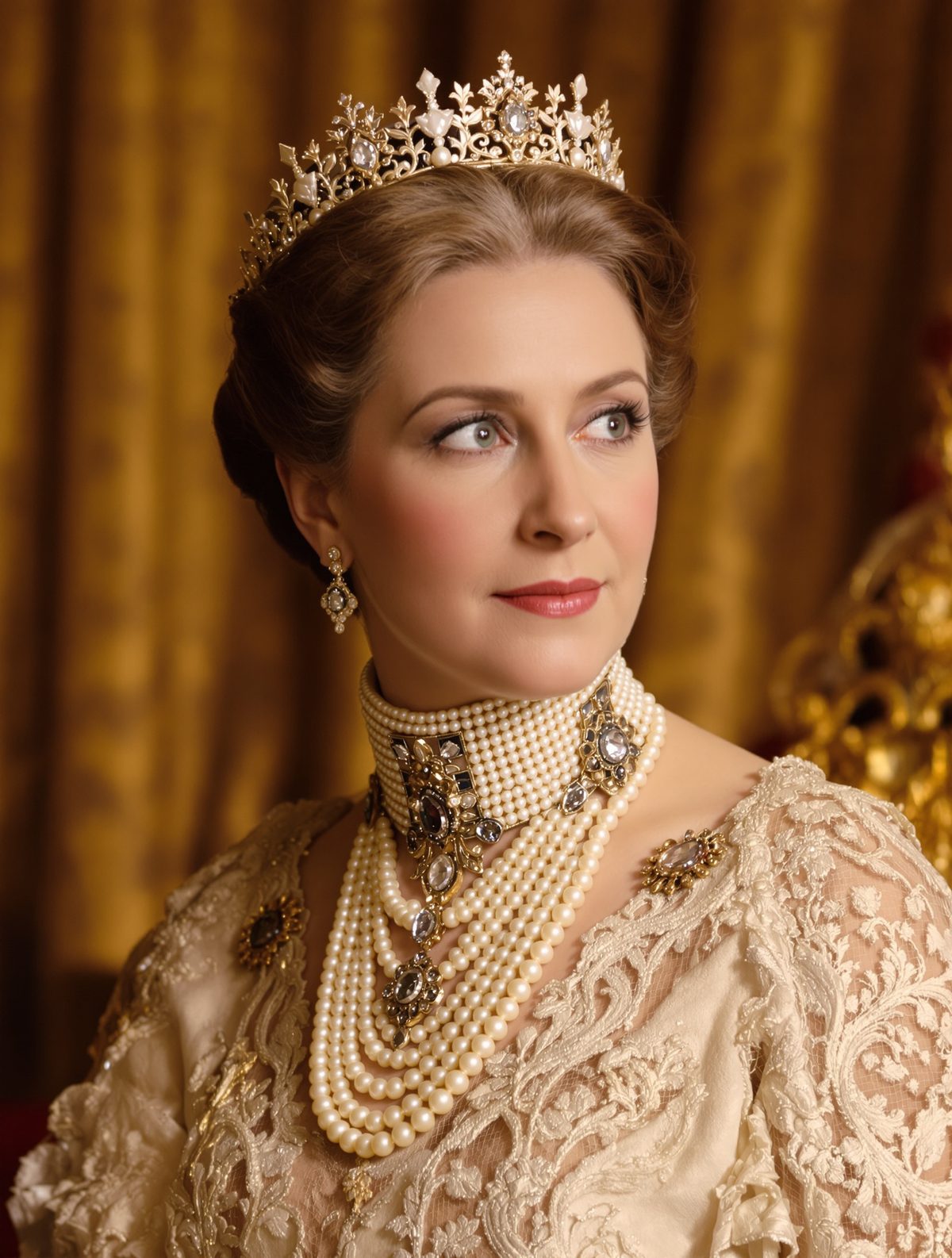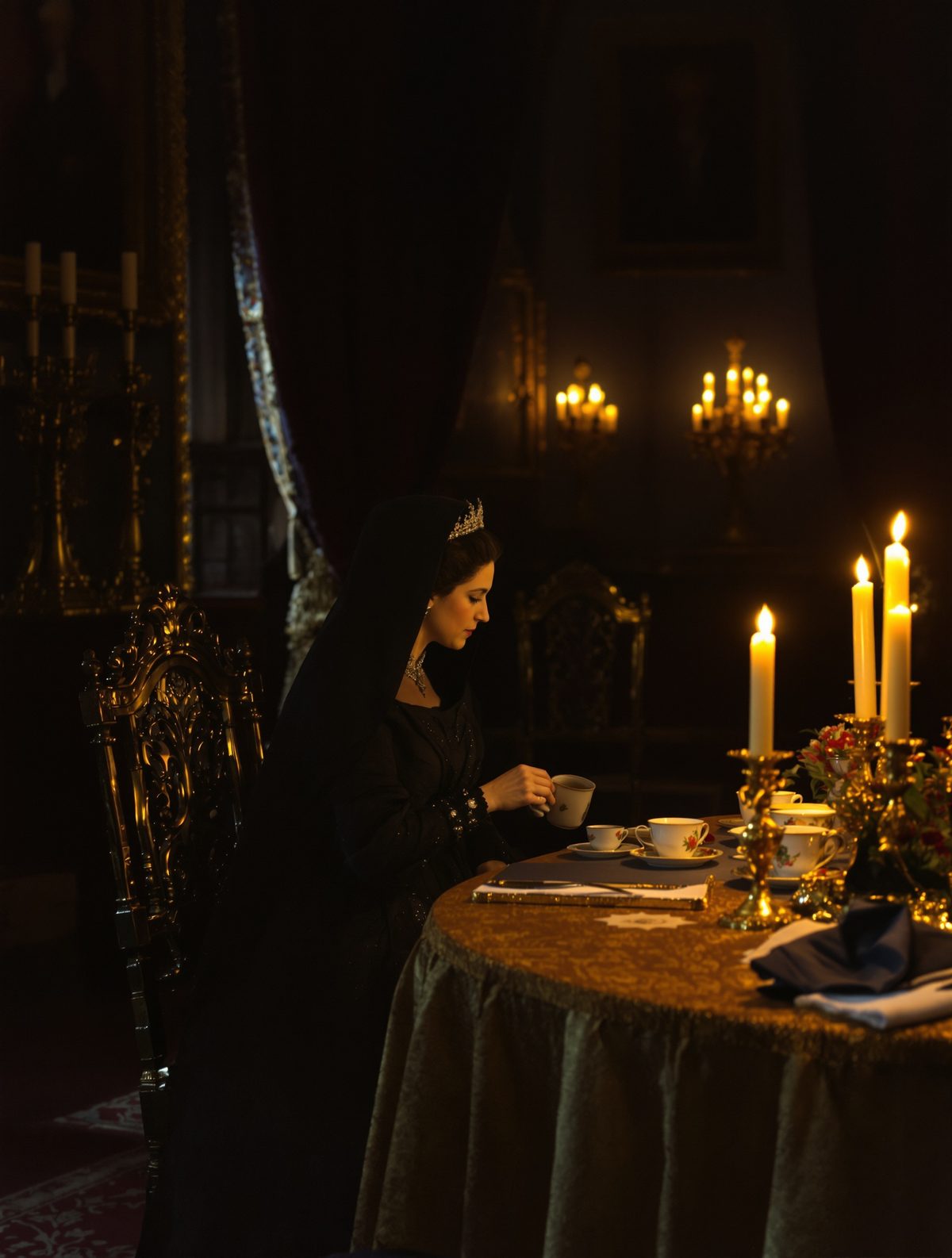
The grand corridors of Windsor Castle buzzed with festive preparation as Christmas Eve 1862 approached, yet something had changed forever in the royal household. As servants hung garlands and footmen prepared the evening feast, they noticed their monarch's peculiar new habit. At precisely six o'clock each Christmas Eve, Queen Victoria would quietly slip away from the celebrations, leaving her bewildered staff to wonder where their grieving sovereign had vanished to during the most important evening of the royal calendar.
What they discovered would reveal one of the most poignant traditions in royal history—a deeply personal ritual that illuminated the profound love story between Victoria and her beloved Prince Albert, and the extraordinary lengths to which a heartbroken queen would go to keep his memory alive.
The Christmas That Changed Everything
Christmas 1861 had been the last time the royal family celebrated together in their full glory. Prince Albert, Victoria's devoted husband and closest confidant, had died on December 14th that year, leaving the Queen devastated and the entire nation in mourning. The man who had transformed the British royal family's Christmas celebrations—introducing the German tradition of Christmas trees and making Windsor Castle a place of magical festivity—was gone.
Victoria's grief was unprecedented in its intensity. She retreated into black mourning dress and declared that she would never fully recover from the loss. The woman who had once delighted in elaborate Christmas festivities, dancing until the early hours and showering her beloved Albert with carefully chosen gifts, now faced the prospect of spending the holiday season without her soulmate.
By Christmas Eve 1862, the royal household staff expected their monarch to struggle with the festivities. What they didn't anticipate was the establishment of a ritual so private and mysterious that it would puzzle them for decades to come.
The Mysterious Disappearance
Year after year, without fail, the same pattern emerged. As the royal family gathered for Christmas Eve dinner and the traditional exchange of gifts—a custom Albert himself had brought from Germany—Victoria would participate with dutiful solemnity. But as the castle's clocks chimed six in the evening, the Queen would quietly excuse herself and disappear.
Her ladies-in-waiting whispered among themselves, wondering where their sovereign had gone. The castle's corridors seemed to swallow her whole. Servants would search discretely, concerned for her wellbeing during what they knew was an emotionally challenging time. Christmas Eve, after all, should have been filled with the joy and warmth that Albert had brought to the royal celebrations.
For the longest time, Victoria's whereabouts during these precious hours remained a mystery. Her devoted staff, trained to be observant yet discrete, found themselves genuinely puzzled. The Queen seemed to vanish into the very walls of Windsor Castle, leaving behind only the faintest trace of her presence.
It wasn't until several Christmases had passed that one particularly observant member of the household finally discovered the truth. Following at a respectful distance, they traced Victoria's path through the castle's winding corridors to a destination that was both surprising and deeply moving.
The Secret Revealed
Prince Albert's private study had remained exactly as he left it on that fateful December day in 1861. Victoria had given strict instructions that nothing was to be moved, changed, or cleaned beyond the gentlest maintenance. His papers remained on his desk, his books open to pages he would never finish reading, and his favorite chair positioned just as he had left it.
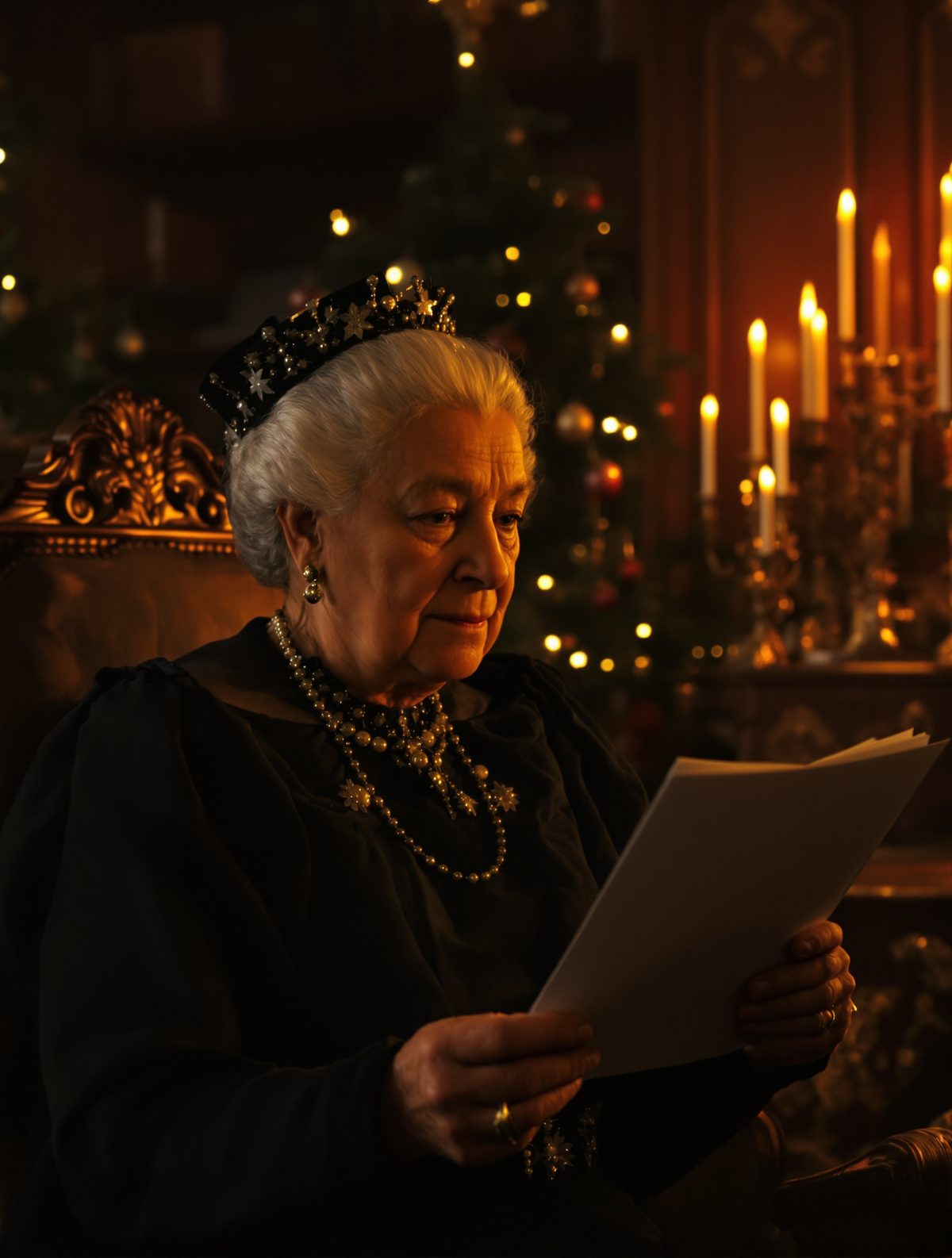
It was here that the Queen's loyal staff found her every Christmas Eve at six o'clock sharp. But the scene that greeted them was far more touching than they could have imagined. Victoria wasn't simply sitting in mourning or staring into space. She was reading aloud from Albert's letters—the passionate, intelligent correspondence that had sustained their remarkable partnership for over two decades.
The Queen would settle into her own chair, positioned to face Albert's empty seat, and read his words as if he were still there to hear them. Sometimes she chose from their early courtship letters, when they were young and desperately in love. Other times, she selected from his more recent correspondence about their children, their duties, or their shared dreams for the monarchy's future.
This wasn't mere grief—it was an act of profound love and connection. By reading Albert's own words aloud, Victoria was, in her own way, bringing his voice back into the room where he had spent so many hours working for the good of Britain and the Empire.
A Love Letter to Forever
The tradition continued for forty years, from Albert's death in 1861 until Victoria's own passing in 1901. Every single Christmas Eve, regardless of where the royal family was celebrating, Victoria would find her way to Albert's study at exactly six o'clock. If the court was at Osborne House or Balmoral, she would retreat to his rooms there, always carrying a selection of his letters with her.
What makes this ritual even more remarkable is its consistency. Victoria, who would live to see the dawn of the twentieth century and witness extraordinary changes in technology, society, and the Empire itself, never once broke this Christmas Eve appointment with Albert's memory. Through the births of grandchildren, the marriages of her children, wars, political crises, and personal losses, she maintained this sacred hour of connection.
The Queen's dedication to this private tradition reveals the depth of a love story that had captivated the nation during Albert's lifetime. Their marriage had been more than a royal duty—it was a genuine partnership built on intellectual compatibility, shared values, and deep affection. Albert's death hadn't ended that partnership in Victoria's mind; it had simply transformed it into something more ethereal but no less real.
Her household staff, once they understood the significance of these Christmas Eve disappearances, ensured that Victoria was never disturbed during her sacred hour. They came to see it not as an eccentricity of grief, but as a beautiful testament to enduring love.
The Queen's Private Christmas
These intimate Christmas Eve sessions were just one part of how Victoria kept Albert's presence alive throughout the holiday season. She maintained all the German Christmas traditions he had introduced, ensuring that their children and grandchildren continued to celebrate exactly as Albert would have wanted. The Christmas tree remained a centerpiece of royal celebrations, decorated in the German style that Albert had brought to Britain.
But it was the quiet hour in Albert's study that remained most precious to her. In a life lived almost entirely in public, surrounded by courtiers, servants, and the constant demands of monarchy, this was Victoria's most private time. Here, she could simply be a woman talking to the man she loved, sharing thoughts and memories without the weight of crown and ceremony.
The letters she chose to read varied over the years, but those who were privileged to know about the tradition observed that Victoria seemed to find genuine comfort in Albert's words. His wisdom, his humor, and his unwavering devotion seemed to speak across the years, providing the grieving Queen with exactly what she needed to carry on.
Victoria's Christmas Eve tradition offers us a remarkable glimpse into the human heart that beat beneath the imperial crown. Her forty-year commitment to these private conversations with Albert's memory reminds us that even queens experience the same profound love and devastating loss that touches us all. In our own age, when royal lives are scrutinized more closely than ever before, Victoria's secret Christmas ritual stands as a beautiful reminder that the most meaningful moments often happen away from public view, in the quiet spaces where love endures beyond death itself.