Picture this: it's 26 April 1923, and Lady Elizabeth Bowes-Lyon is preparing for what should be the most perfectly orchestrated day of her life. As she stands ready to become the Duchess of York, marrying King George V's second son Prince Albert, every detail has been meticulously planned by the palace machinery. Her gown is exquisite, her tiara gleaming, and Westminster Abbey awaits. Then disaster strikes – her bridal bouquet has vanished without a trace. What the future Queen Mother did next would become one of the most delightfully human moments in royal wedding history, proving that even future queens must sometimes think on their feet.
A Commoner's Journey to the Altar
Lady Elizabeth Bowes-Lyon's path to royal matrimony had been anything but conventional. Born into Scottish nobility as the ninth of ten children, she possessed a warmth and vivacity that captivated the notoriously shy Prince Albert – known to his family as Bertie. Their courtship had been tender and genuine, a refreshing contrast to many royal arrangements of the era.
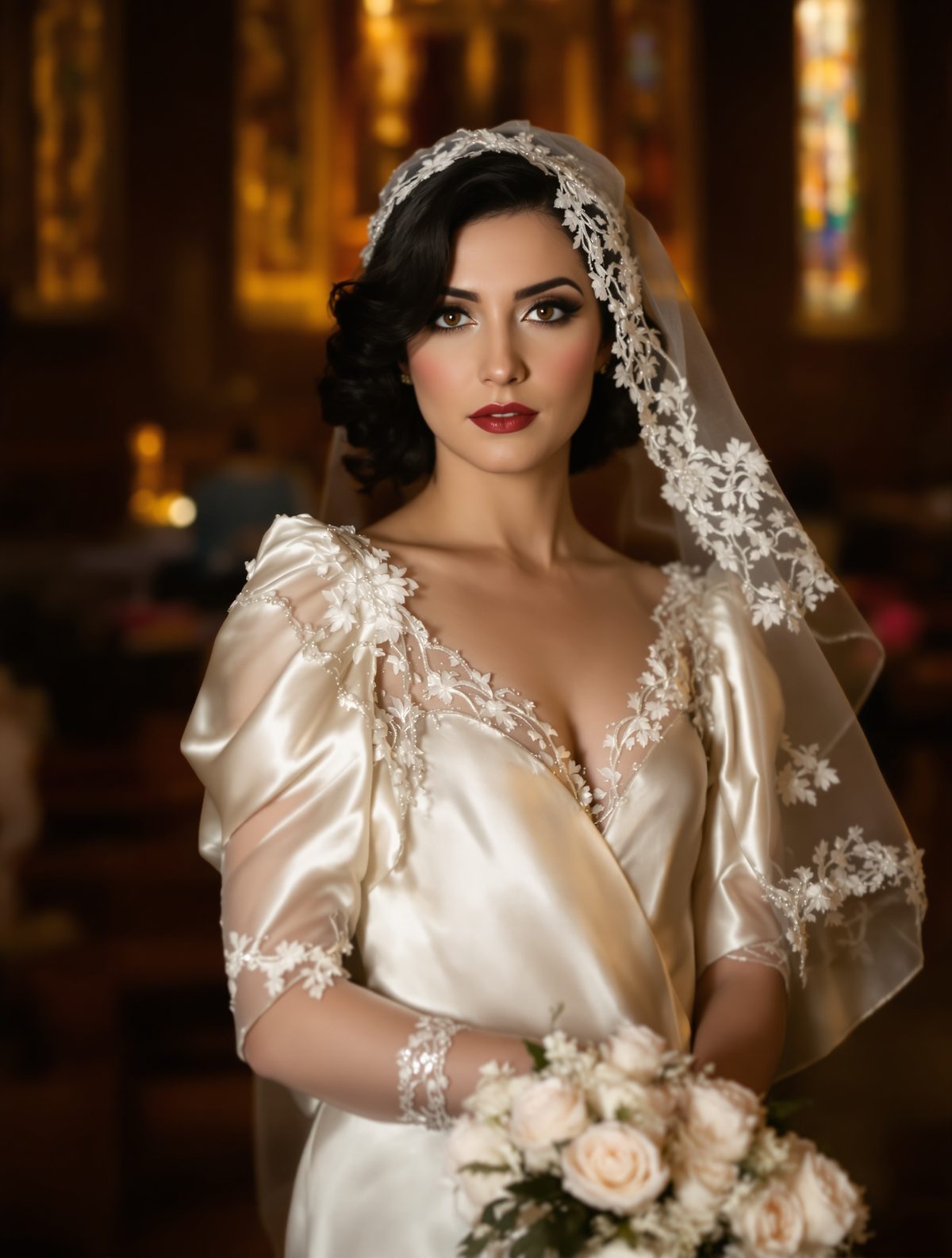
The wedding preparations had been elaborate affairs, befitting a union that would strengthen the monarchy's connection to the Scottish aristocracy. Elizabeth's wedding gown, created by Madame Handley-Seymour, was a masterpiece of 1920s elegance – fashioned from deep ivory chiffon moire with medieval-inspired sleeves and a train that seemed to float behind her. The ensemble was completed with the diamond-set Strathmore Rose tiara, a family heirloom that caught the light beautifully.
Every element had been carefully chosen, from the music selections to the guest list featuring European royalty and British nobility. The bridal bouquet, traditionally one of the most symbolically important elements of any royal wedding, had been crafted with white roses, York roses to honor her future title, and a sprig of Scottish heather for good fortune. It was meant to be the perfect finishing touch to a perfect day.
The Morning Crisis Unfolds
On the morning of 26 April, as Elizabeth made her final preparations at her family's London residence, 17 Bruton Street, the unthinkable happened. In the organized chaos of wedding morning preparations – with lady's maids rushing about, family members offering last-minute advice, and officials ensuring protocol was followed – the precious bouquet simply disappeared.
Palace historians suggest the flowers may have been misplaced during the complex logistics of transporting wedding accessories, or perhaps left behind in the flurry of activity. What's certain is that as departure time approached, there was no bouquet to be found. For any bride, this would constitute a major crisis; for a future member of the royal family, with hundreds of guests waiting at Westminster Abbey and the eyes of the Empire upon her, it threatened to derail the entire ceremony.
The palace protocol officers would have been beside themselves. Royal weddings operated with military precision, and there was simply no provision for such mishaps. Every photograph, every moment of the service, had been planned to perfection. The idea of the bride appearing bouquet-less was unthinkable – it would have been seen as deeply inauspicious and a breach of centuries-old tradition.
A Spontaneous Act of Royal Rebellion
As the wedding party made their way to Westminster Abbey, Lady Elizabeth demonstrated the quick thinking and resourcefulness that would serve her so well in her future role as Queen Consort. Upon arriving at the Abbey and realizing the gravity of the situation, she made a decision that was both practical and deeply touching.
In a moment that perfectly encapsulated her down-to-earth nature, Elizabeth spotted the Tomb of the Unknown Warrior – that sacred memorial to Britain's fallen soldiers of the Great War, dedicated just three years earlier. White roses and other flowers had been left there by mourning families and grateful citizens. Without hesitation, and with what one can only imagine was a mixture of desperation and determination, she gathered white roses from these tributes to create an impromptu bouquet.
This spontaneous act was remarkable on several levels. Not only did it solve an immediate practical problem, but it also created an unexpectedly poignant connection between her joyous occasion and the nation's recent sacrifice. The flowers she carried down the aisle had been placed there by people honoring their lost loved ones – a powerful symbol of the monarchy's connection to its people's joys and sorrows.
The Archbishop of Canterbury, Randall Davidson, conducted the service without ever knowing that the beautiful white roses he blessed as part of the ceremony had been hastily gathered from a war memorial just moments before. The congregation, focused on the radiant bride and nervous groom, remained similarly unaware of the morning's drama.
Breaking Protocol with Grace
What makes this story particularly fascinating is how it reveals Elizabeth's character even before she became a working royal. The decision to take flowers from the Unknown Warrior's tomb could have been seen as scandalous – after all, she was essentially borrowing tributes left by grieving families. Yet there was something beautifully appropriate about it, something that spoke to the kind of queen she would become: practical, connected to her people's experiences, and unafraid to break protocol when human warmth demanded it.
Palace officials were reportedly horrified when they discovered what had happened, though they kept the secret closely guarded for decades. The incident flew in the face of everything they understood about royal ceremony and proper protocol. Yet Elizabeth's instinctive choice proved inspired – the makeshift bouquet was every bit as beautiful as the original would have been, and carried infinitely more meaning.
A Tradition Born from Necessity
What began as a desperate solution to a wedding day crisis would evolve into one of the monarchy's most touching traditions. The future Queen Mother's spontaneous gesture at the Unknown Warrior's tomb was so meaningful that it inspired a custom that continues to this day. Since 1923, royal brides have made it a tradition to leave their wedding bouquets at the tomb as a mark of respect for Britain's war dead.
This beautiful custom has been followed by generations of royal women, from Queen Elizabeth II in 1947 to the Duchess of Cambridge in 2011. Each bouquet placement serves as a reminder that even the most joyous royal occasions are connected to the broader tapestry of British history and sacrifice. What started as wedding day improvisation became a cherished ritual that perfectly embodies the monarchy's role as a symbol of national unity and remembrance.
The tradition also reflects something deeper about the royal family's relationship with their people. In transforming a potential disaster into a moment of genuine connection with the nation's grief and remembrance, Elizabeth demonstrated an instinctive understanding of what it meant to serve as a royal – to find ways to bridge the gap between palace and people, between ceremony and authentic human feeling.
Today, as we witness each new generation of royals navigating their own wedding preparations, there's something wonderfully reassuring about knowing that even the most impeccably planned royal occasions can go awry – and that sometimes the most beautiful traditions arise from the most unexpected moments. Lady Elizabeth's wedding day rebellion reminds us that behind all the pomp and protocol, the royal family shares the same hopes, anxieties, and quick-thinking solutions as any of us facing our most important moments. Her legacy lives on not just in the formal portraits and official records, but in the spontaneous gesture that became a lasting tribute to love, loss, and the enduring spirit of service that defines the British monarchy.