The world knows Queen Elizabeth II as a steadfast symbol of continuity, duty, and grace. Yet, beneath the crown and regal demeanor, she was also a woman of profound empathy, capable of quiet acts of kindness that many will never hear of but deserve to know.
One such act occurred after a heart-wrenching tragedy in October 1966. It was an unexpected calamity that shattered a small Welsh village and left the nation mourning. What most did not realize at the time was the depth of the Queen’s personal outreach during those dark days — in the form of handwritten letters, a gesture of comfort rarely associated with monarchy. This is the story of Queen Elizabeth II’s poignant connection with the grieving mothers of Aberfan.
A Nation in Grief
On the morning of October 21, 1966, the village of Aberfan, nestled in the Welsh valleys, faced an unimaginable horror. A towering coal tip, piled precariously on a hillside above the village, collapsed after heavy rainfall, creating an avalanche of sludge that engulfed Pantglas Junior School and several homes. With 116 children and 28 adults lost, the community was thrust into irreparable loss and mourning.
The tragedy rippled across the United Kingdom, touching the hearts of countless people who watched in disbelief as the news unfolded. While the nation grappled with this catastrophe, murmurs of royal presence were palpable. The British royal family, expected to visit in times of national sorrow, indeed prepared for a journey that would align with the mourning nation’s expectations.
However, formal visits and public appearances are but one facet of royal duty. Behind the grandeur of state visits lies a more intimate side of the monarchy—one that carefully listens and reacts with humanity. The Queen, renowned for her stoic image, revealed her profound personal tenderness during these tragic days in a way few ever anticipated.
The Queen's Private Tribute
It was reported that Queen Elizabeth II faced a deeply personal struggle over whether to visit Aberfan in the immediate aftermath, balancing tradition with a desire for genuine empathy. Notably, her hesitance was not rooted in indifference but rather an understanding of the privacy and peace the grieving community desperately needed.
In an era when royal involvement was expected to be visible and public, the Queen’s response was quietly transformative. Against the expectations of palace advisors and royal protocol, she reached out privately to each bereaved family in a manner so deeply personal: through her own handwritten words.
Across her desk in Buckingham Palace, the Queen composed individual letters to the mothers who had lost a child. These letters, addressed in her own hand, carried heartfelt condolences and shared a fragment of their sorrow, bridging a sense of isolation with royal companionship. It was an extraordinary gesture from a monarch often seen at a distance, further humanizing a figure emblematic of tradition.
A Monarchy that Listens
The individual letters sent to Aberfan’s mothers have never been publicly displayed, never dissected or shared widely, and bear no facsimile of royal signatures crafted by the hand of another. Instead, they remain quiet testaments to the depths of understanding that can exist within the frames of constitutional monarchy.
This sensitivity exemplifies how the British royal family, often emblematic of grandeur and ceremonials, possesses an intimate understanding of their subjects’ lives. The Queen, well aware of the weight of her sympathy, chose words over public appearances, enabling a private communion with the troubled souls of a grief-stricken community. It’s a side of monarchy that speaks volumes about its adaptability and enduring relevance.
Although publicly understated, such actions echo in the hearts of those who directly experience them, often lasting longer than any opulent banquet or media blitz. It is through such small, deeply personal gestures that the monarchy maintains its human touch — a touch sometimes only felt behind closed doors.
Enduring Legacy of Compassion
As the decades have passed since the Aberfan tragedy, Queen Elizabeth II’s reign has witnessed numerous moments where empathy and solemnity were necessary guides. Whether through grand gestures or letters penned in private chambers, the Queen’s response in times of crisis reveals a remarkable ability to blend tradition with humanity.
Even today, as the British monarchy navigates the complexities of modernity and legacy, the lasting impact of these personal gestures remains. They remind us that beyond the pageantry lies a profound understanding and sympathy for the subjects the royals vow to serve. In many ways, the Queen’s handwritten notes, quiet yet powerful, exemplify this delicate balance between duty and the deeply human desire to connect.
In a world often enamored by spectacle, we cherish the stories that shine light on a different kind of monarchy — one that remembers the lives it touches and understands that sometimes, the most regal act is also the most simple and sincere.
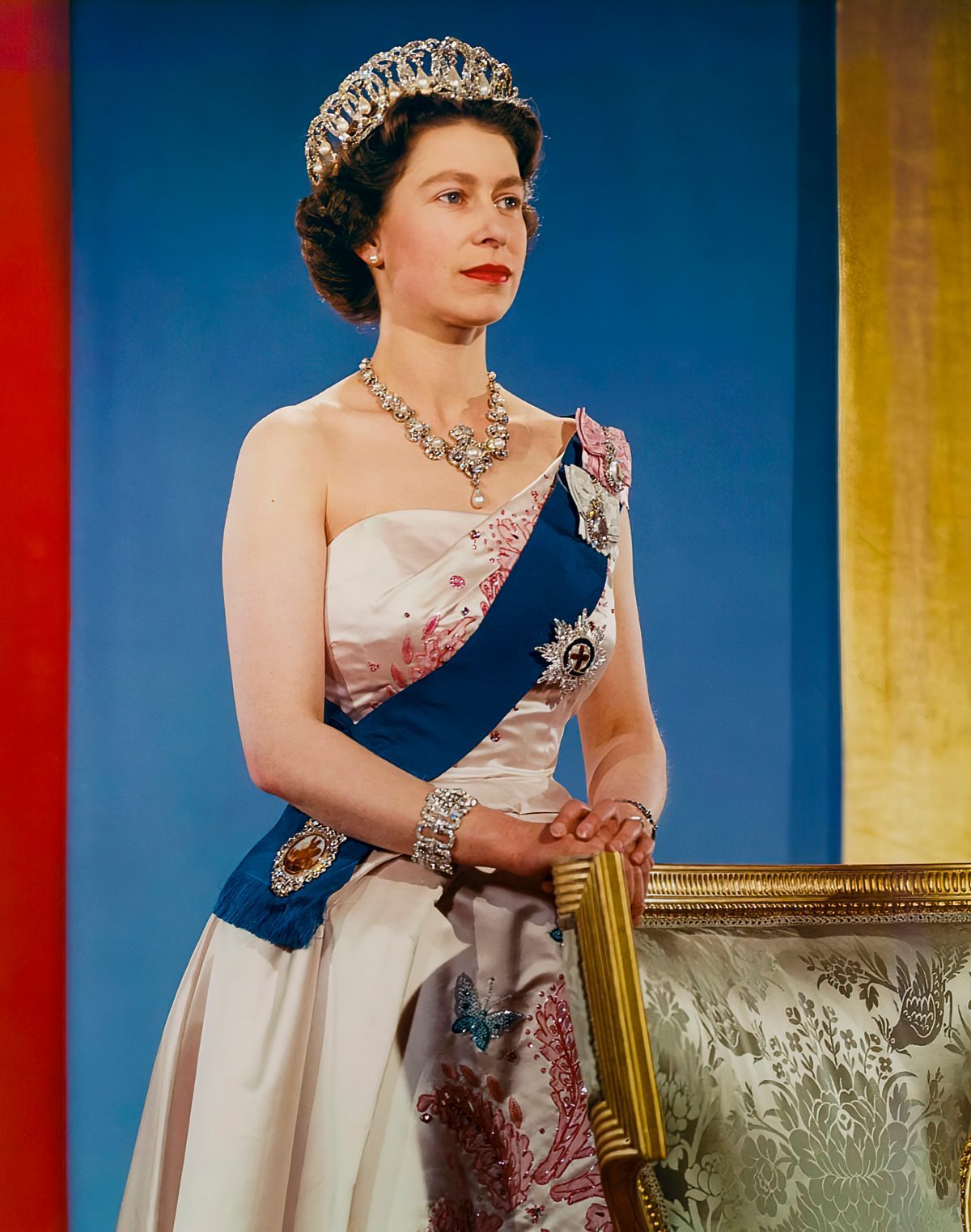
📷 Photo: Donald McKague. Public domain via Wikimedia Commons.