In a small Welsh town, devastated by unimaginable loss, a mother clung to the words of comfort offered by a woman who was both a sovereign and a mother at heart. In the years that followed, the Queen’s handwritten letter traveled through time, quietly and reverently preserved in a stranger's Bible, becoming a poignant symbol of shared humanity and compassion. This is the story of Queen Elizabeth II's timeless act of grace following the Aberfan tragedy of 1966—a gesture that, unbeknownst to many, formed an unspoken bond of understanding between the Queen and her heartbroken subjects.
The Tragedy in Aberfan
On the morning of October 21, 1966, in the Welsh village of Aberfan, a coal spoil tip collapsed and engulfed Pantglas Junior School, killing 144 people, 116 of whom were children. The disaster sent ripples of sorrow throughout the United Kingdom and beyond. It was a grim reminder of the unpredictable nature of industrial hazards, but more than that, it was a searing tragedy that struck at the very heart of parenthood and community.
The response from the monarchy, as revealed in historical records, was twofold. Initially, officials advised a measured approach, mindful of the period’s poignant dynamic between the royal family and national tragedies. Despite public pressure and criticism for not visiting Aberfan immediately, Queen Elizabeth II, once fully apprised of the emotional landscape, became quietly intent on providing comfort. Behind the scenes, unseen by photographers and journalists, the Queen began to mobilize the most profound gestures of empathy she could offer—her words.
Letters of Compassion
Those who saw Queen Elizabeth II during the days following the disaster would likely recall her solemn demeanor and quiet resolve. Seated at her desk, she took the unprecedented personal initiative to write to each bereaved family in Aberfan, expressing her condolences and offering solace. It was a task befitting not just a Queen, but a woman deeply touched by the enormity of the loss. Her handwritten missives were more than royal obligations; they were akin to the whispers of comfort one might extend to a grieving friend or neighbor.
Reports from palace insiders intimate that these letters offered more than just condolences; they were imbued with genuine compassion and an understanding presence, which even transcended the royal stationery. The words carried not just her shared sorrow, but a tacit promise to remember and honor those lives cut short so abruptly.
The Mother’s Keepsake
In the home of a grieving mother, the Queen's letter found a sanctuary within the pages of her Bible. It was a decision made not out of a desire to showcase but rather a need to preserve a part of solace that felt akin to her own heart. Nestled amongst verses of hope and endurance, the letter lay, a tactile reminder of a profound, if quiet, moment of empathy and connection.
"Because she felt like a mother, not a queen," the mother recounted, revealing the simple yet monumental impact of the letter passed quietly from royal hands to familiar hands. For fifty years, the Queen’s words lived there, hidden but never forgotten, echoing the universality of shared grief as both comforter and bond.
In the years that followed, this discreet but cherished keepsake served as a quiet testament to the Queen's genuine compassion and the depth of her understanding. It remained, unseen by the outside world, weaving itself into the fabric of a family’s healing journey—a testament to both human resilience and the timeless elegance of the royal touch.
The Queen’s Visit to Aberfan
A few days later, when the time was finally right, Queen Elizabeth II visited Aberfan, a decision imbued with the solemnity and grace that characterized her reign. Her visit wasn't one that would be ushered in with grand fanfare; it was a quietly powerful moment. Walking amongst the mourners, she listened, comforted, and allowed herself to connect with the depth of the community’s suffering.
The images of the Queen standing beside grieving families, respectfully silent yet fully present, embody a role that transcended that of a monarch—she became a part of the tapestry of healing that these families so desperately needed. Her presence, like her letters, served as a reminder of unity in those darkest of days, providing a regal yet deeply personal touch to an entire nation plunged in sorrow.
Legacy of the Heart
Queen Elizabeth II's handwritten note, tucked away for so many years, is a legacy of the heart—a testament to the royal family’s capacity to extend its touch beyond the pomp of palaces and the protocols of kingship into the very essence of humanity.
Such stories of quiet compassion resonate with a profound truth about the British monarchy: the capacity to feel with the people, to comfort in less visible ways, and to weave their duties into the very lives of those they serve. Today, this legacy continues to shape the relationship between the Crown and its people, a bond marked by respect, empathy, and shared human experience.
What remains most remarkable is not just the letter’s endurance through the passage of time but the reminder it serves: even in moments of national tragedy, the monarch’s touch need not always be public to be monumental. It can find its way into the hearts of the people by the softest, most sincere means. It gives us pause to reflect, inviting us to consider what it means to serve, to remember, and to be remembered—not just as caretakers of tradition but as compassionate hearts committed to the human condition itself.
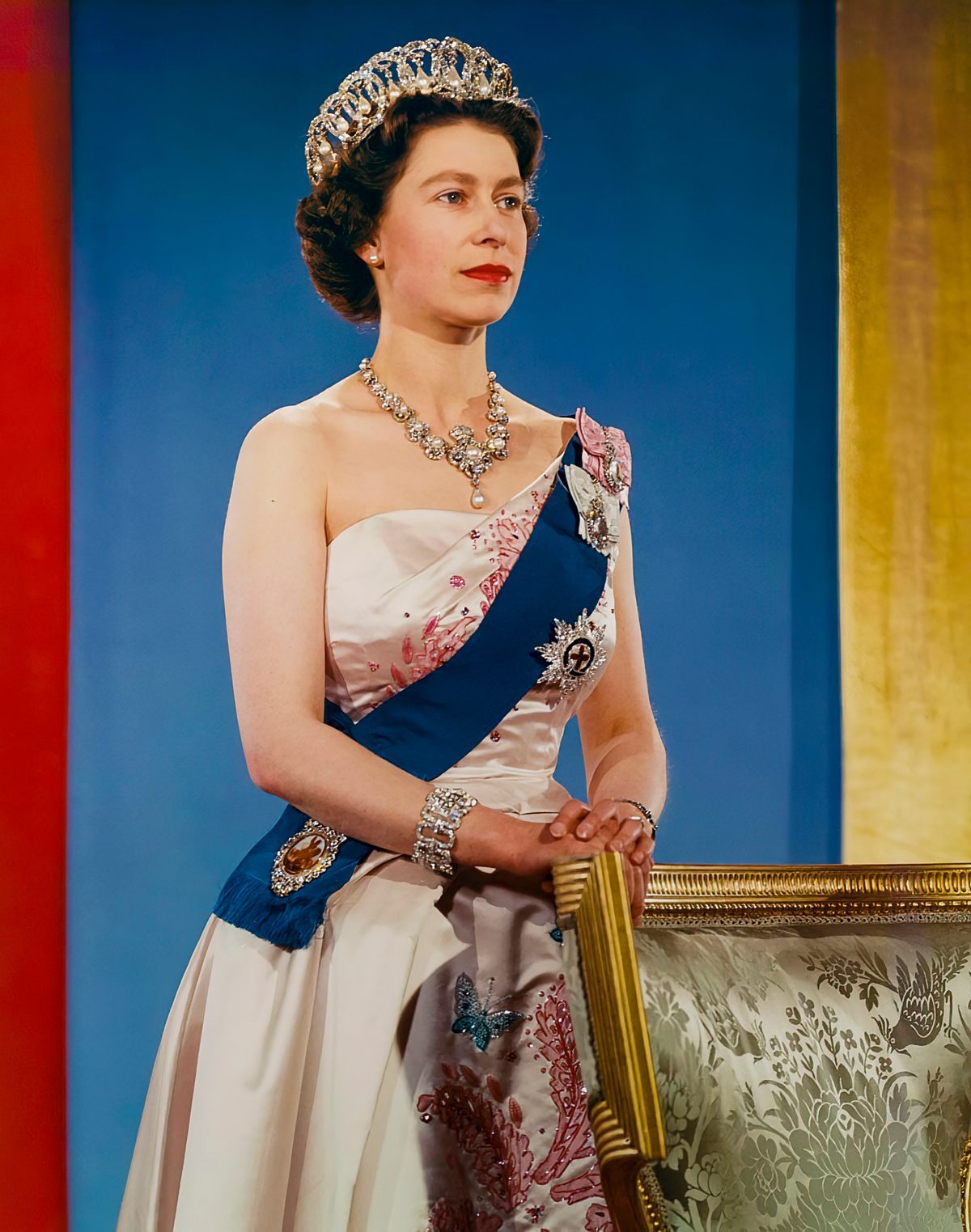
📷 Photo: Donald McKague. Public domain via Wikimedia Commons.