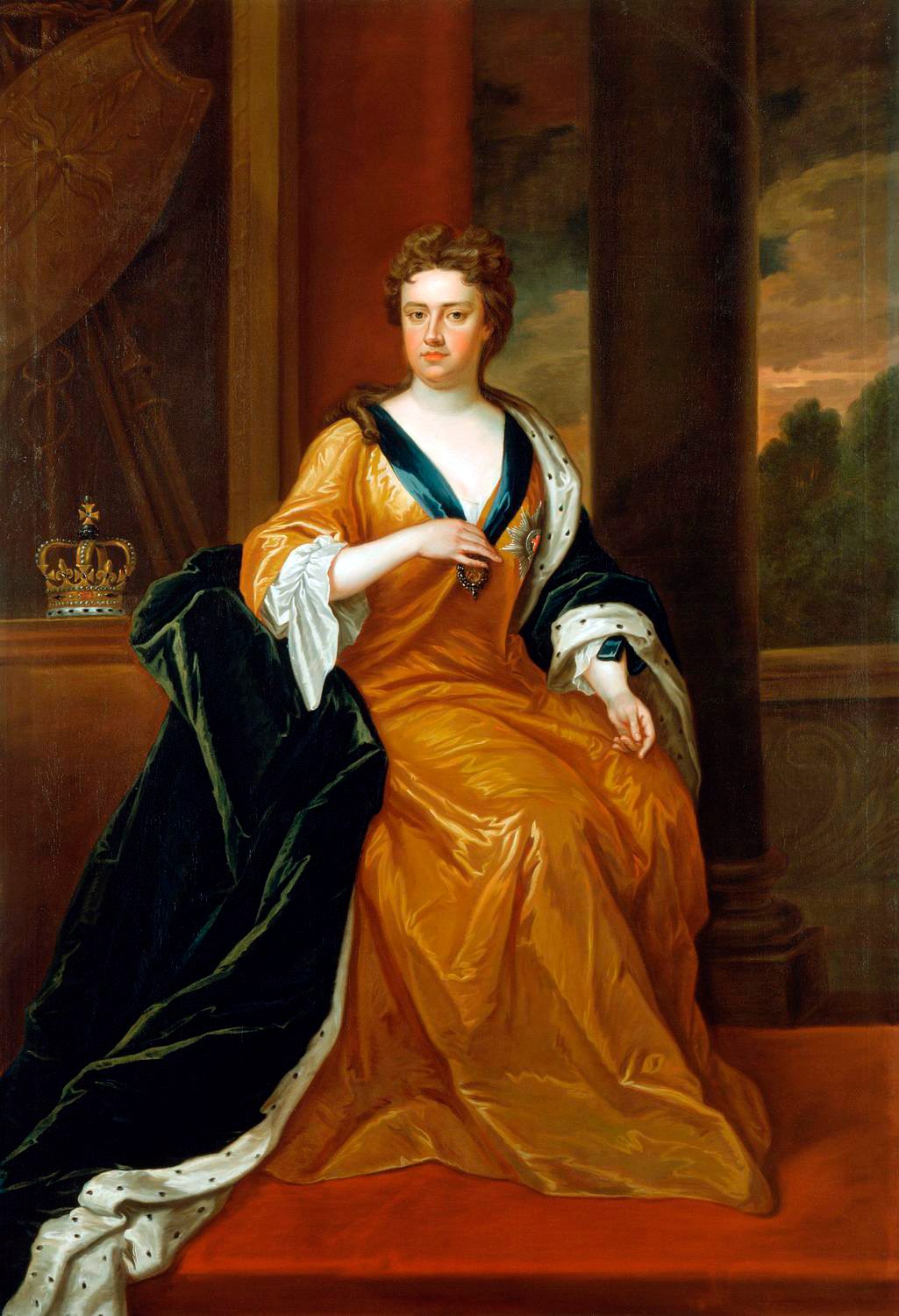
She sat on the throne of Great Britain and ruled with iron resolve. But behind closed doors, Queen Anne carried a grief so vast it defies imagination. Seventeen pregnancies. Seventeen losses. And through every state occasion, every speech, every crown-wearing moment — she bore it all in silence. This is the haunting legacy of Queen Anne, the monarch whose personal sorrows quietly paralleled her public triumphs.
A Sovereign Shaped by Sorrow
Ascending the throne in 1702, Queen Anne inherited a kingdom poised at the brink of the modern era. Her reign would see the union of England and Scotland and the war for Spanish succession, yet her personal life was marred by unimaginable loss. Such heartache might have broken a lesser spirit, but Anne's resilience defined her legacy. In a time when the strength of a monarch was measured as much by their personal life as their political actions, Anne's endurance amidst heartbreak became an unspoken bedrock of her rule.
The halls of the royal court bore witness to Anne's unyielding composure. Her pregnancies were matters of state, yet the heartbreaks were persistently her own. Despite extreme discomfort, Anne attended to her duties, the weight of both her queenly robes and personal sorrow heavy upon her. The traditions of maternity and monarchy intertwined achingly in her life — a personal saga that played out against the backdrop of an ever-watchful court.
The Bitter Gift of Memory
Anne's journey through motherhood is a story written in absence. Of her seventeen pregnancies, only a handful reached full term, and only one child survived beyond infancy — Prince William, Duke of Gloucester. The prince, cherished and adored, offered Anne a fleeting glimpse of maternal joy until his untimely death at the age of eleven. Her immense grief was encapsulated in a small, poignant token: a locket containing a single curl of his hair, a symbol of the maternal bond that survived even beyond death.
This locket was a private talisman of a monarch who faced her public without yielding to the private devastation within. It is said that only her closest ladies-in-waiting knew of this keepsake, which represented not just the prince who had lived but also the silent testimony of all the children she had lost. In an era when public displays of grief were carefully controlled, Anne's quiet mourning spoke volumes.
The Royal Court: A World of Layered Expectations
The world of the Stuart court was steeped in tradition and expectation. Queen Anne's court was no exception, charged with both the brilliance and burdens that came with the crown. Although the sovereign was the final arbiter of the nation's fate, societal norms imposed stringent guidelines upon the personal lives of women — even those wearing the crown.
Motherhood was one axis of royal duty, but Anne's recurrent losses were whispered rumors that became her constant companions. Yet, this same court became an unlikely pillar of support. Despite its opulence, royal life was not resplendent always; rather, it was a gilded cage, both protecting and isolating Anne in equal measure. Amidst this grand yet insular world, Anne found solace in friendships with her ladies, like Sarah Churchill, Duchess of Marlborough, whose tenacity matched her own, and later, Abigail Hill who was gentler in approach but equally steadfast.
Strength and Solitude: Finding Resolve in Reign
As Queen Anne weathered her personal storms, she never faltered in her public obligations. Her reign saw significant developments, including the creation of Great Britain through the Acts of Union 1707. Cleverly navigating through intricate webs of political intrigue and international diplomacy, Anne's strength was apparent to her subjects, even as her personal grief remained invisible to all but a few.
Her commitment to her duty was unwavering, cementing her legacy as a monarch dedicated to her people. Yet, the solitude brought on by her personal losses could never be entirely hushed. The absence of a direct heir not only haunted Anne personally but also shaped the political discourse of the time, eventually leading to the Protestant Hanoverian succession.
The Enduring Impact of a Queen's Silent Suffering
Though centuries separate the present day from Anne’s reign, the echoes of Queen Anne’s private sorrows and steadfast rule persist in the collective memory of the monarchy. She remains an emblem of formidable leadership tempered by profound personal tragedy. Anne's story reminds us of the weight the crown bears and of human endurance in the face of unimaginable pain.
Her ability to navigate the stormy seas of political strife and complex personal grief resonates even in modern times, as contemporary royals continue to balance duty with personal challenges. Anne's legacy endures as a testament to strength unseen and the silent tenacity inherent in leadership, even when the public eye glimpses only the shimmering surface.
Queen Anne's poignant tale is a powerful reminder of the often hidden human experiences behind the majesty of the monarchy. Her life poignantly illustrates the strength forged through sorrow, providing an enduring lesson: even amidst great hardship, the crown — and the heart that bears it — endures.
📷 Photo: Charles Boit. Public domain via Wikimedia Commons.