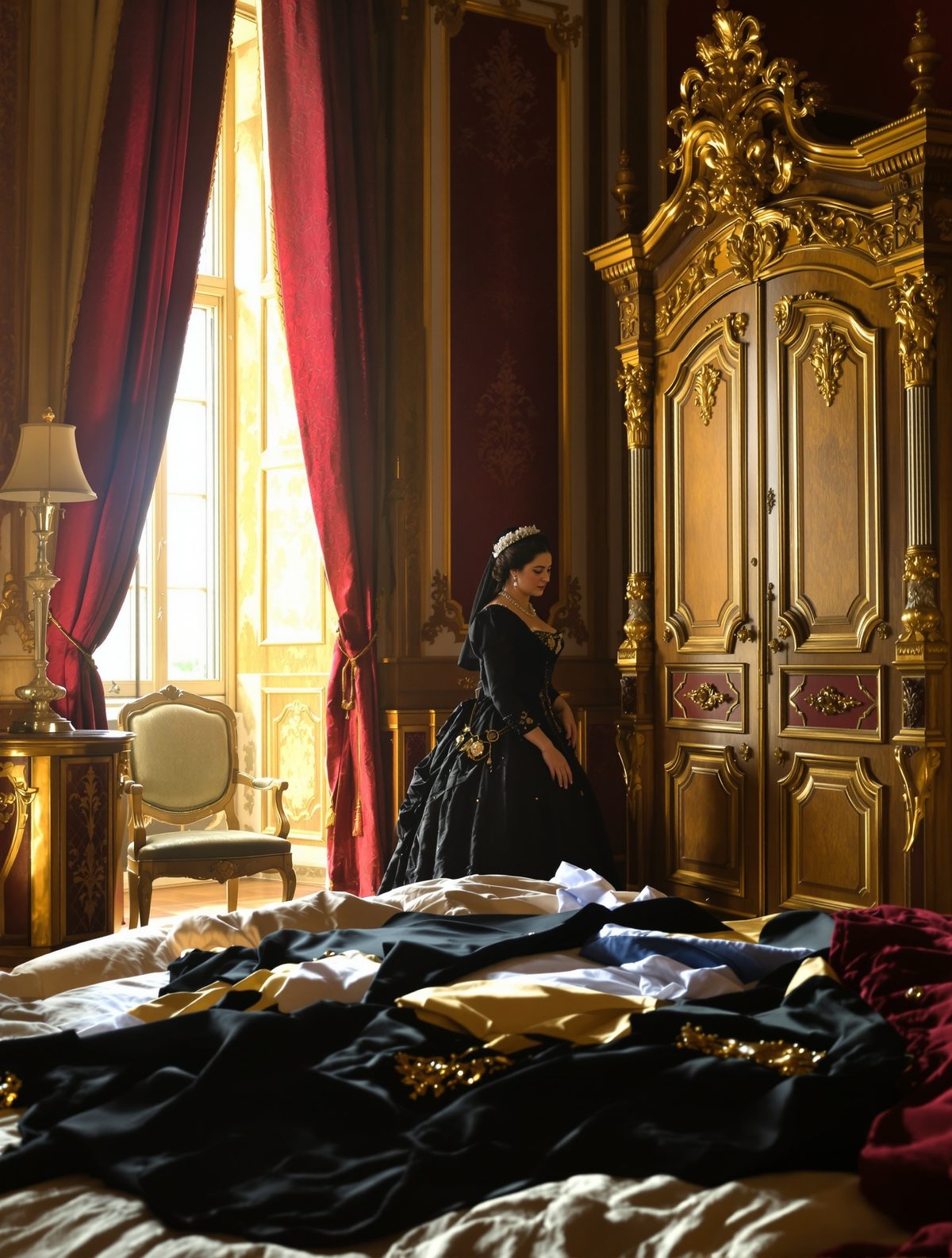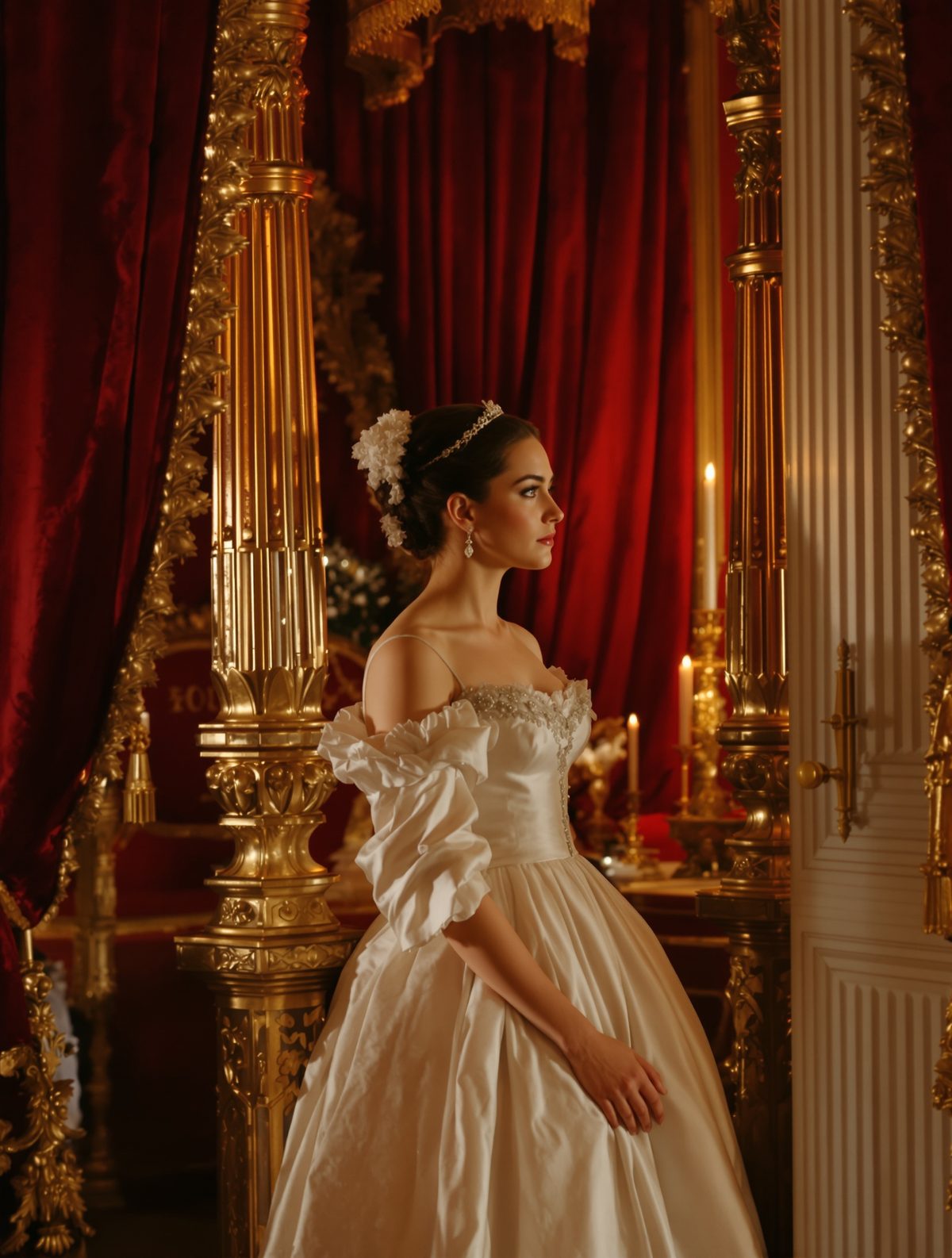

In the shadowed corridors of Kensington Palace during the 1830s, a teenage princess sat hunched over her desk, carefully crafting each letter in an elaborate code that would have impressed any master cryptographer. Princess Victoria, future Queen and Empress, had discovered that her most intimate thoughts were being invaded by prying eyes. Her response revealed the sharp intellect and fierce independence that would later reshape an empire.
The Kensington System: A Golden Cage
To understand Victoria's desperate need for secrecy, one must first glimpse the suffocating world of the Kensington System—the rigid protocol devised by her mother, the Duchess of Kent, and her ambitious comptroller, Sir John Conroy. This elaborate system of control governed every moment of the young princess's life from dawn until dusk.
Victoria was never permitted to be alone. She slept in her mother's bedroom, walked down staircases only while holding an adult's hand, and received carefully vetted visitors under constant supervision. The Duchess, driven by her own political ambitions and genuine fears for her daughter's safety, had created what amounted to a royal prison wrapped in silk and good intentions.
Within this constrained existence, Victoria's diary represented her only refuge—or so she believed. Each evening, she would pour her frustrations, dreams, and observations onto the pages in her neat handwriting. The leather-bound journal became her confidante, the sole witness to her authentic thoughts about the courtiers who surrounded her, her lessons with various tutors, and her growing awareness of the crown that awaited her.
The Violation of Trust
The exact moment Victoria discovered her mother's betrayal remains lost to history, but the impact was seismic. Whether she caught the Duchess red-handed or simply deduced the truth from too-knowing comments about her private reflections, the teenage princess found herself utterly exposed. Her sanctuary had been compromised.
For a young woman already chafing under the restrictions of the Kensington System, this invasion of privacy represented something far more serious than mere embarrassment. It was a violation that struck at the core of her developing sense of self. Victoria was beginning to understand that she would one day rule an empire, yet she couldn't even control who read her most personal thoughts.
The Duchess of Kent likely justified her actions as necessary oversight—after all, Victoria was third in line to the throne, and every word she wrote could potentially become politically significant. But for Victoria, the reading of her diary felt like the ultimate act of maternal control, one step too far in an already suffocating relationship.
The Princess Cryptographer
Victoria's response demonstrated the analytical mind that would later guide Britain through decades of unprecedented change. Rather than abandoning her diary altogether or confronting her mother directly—both options that would have invited further restrictions—she devised an ingenious third path: she would continue writing, but in a code of her own creation.
The cipher Victoria developed was elegantly simple yet remarkably effective. She created a letter-substitution system where each letter of the alphabet was replaced by a different letter according to a pattern only she knew. To casual observers—including her mother—the diary entries appeared to be meaningless strings of letters, perhaps the scribblings of a bored teenager practicing penmanship.
For two crucial years, from approximately 1835 to 1837, Victoria maintained this elaborate deception. Every evening, she would translate her thoughts into cipher before committing them to paper. The mental discipline required was extraordinary—not only did she need to remember her substitution key, but she had to write quickly enough to capture her daily experiences before they faded from memory.
The coded entries covered the most formative period of Victoria's adolescence, including her growing tensions with Sir John Conroy, her deepening relationship with her governess Baroness Lehzen, and her increasingly sophisticated understanding of the political machinations surrounding the succession. These were precisely the thoughts she most needed to keep private, and her cipher ensured they remained so.
Decoding the Future Empress
The secret diary project reveals fascinating glimpses of Victoria's character that would define her legendary reign. Her commitment to maintaining the cipher for two full years demonstrated an iron will and remarkable consistency—traits that would later help her navigate constitutional crises and personal tragedies with unwavering resolve.
More significantly, the episode showcased Victoria's early mastery of strategic thinking. Rather than engaging in open rebellion against the Kensington System—a confrontation she was unlikely to win—she found a way to preserve her autonomy within the existing structure. This same approach would characterize her later dealings with prime ministers, where she learned to wield influence through carefully calculated indirect means rather than direct confrontation.
The cipher also protected what would become one of Victoria's most enduring characteristics: her fierce loyalty to those who earned her trust, and her equally fierce resentment of those who betrayed it. The diary entries from this period likely contained her unvarnished opinions about the various figures vying for influence over her future reign. By keeping these thoughts secret, she preserved her ability to form independent judgments while maintaining the diplomatic facades necessary for royal life.
When Victoria finally abandoned the cipher around 1837—coinciding with her accession to the throne—she did so from a position of strength rather than surrender. As Queen, she could finally control who had access to her private thoughts, making the elaborate code unnecessary. The timing suggests she had always seen the cipher as a temporary measure, a bridge to help her maintain her psychological independence until she could claim her rightful authority.
The Lasting Legacy of Royal Privacy
Victoria's ingenious solution to her privacy crisis echoes through the centuries to our current royal family, who continue to navigate the delicate balance between public duty and private life. In an era of social media and 24-hour news cycles, the question of what remains legitimately private for public figures has only grown more complex.
The teenage princess who created her secret cipher grew into a monarch who understood both the power of carefully managed public image and the absolute necessity of preserving space for authentic private relationships. Her marriage to Prince Albert, her deep friendships with trusted courtiers, and her surprisingly candid later diaries all benefited from the hard-won wisdom that privacy wasn't selfish—it was essential for psychological health and effective leadership.
Perhaps most remarkably, Victoria's secret code represents one of the earliest examples of a future monarch actively preparing herself for the unique challenges of royal life. By developing strategies to protect her inner world while fulfilling her public obligations, she was essentially creating the template for modern royal life—a template that continues to serve the Windsor dynasty today, as they balance unprecedented media attention with their own need for genuine family relationships and personal growth.