Letters from a Tragedy Reach a Young Prince
In the spring of 1996, Kensington Palace received an unusual post. Inside the grandiose walls that had witnessed many royal stories, a new chapter was quietly unfolding. The correspondence came from the survivors of the Dunblane tragedy, children who had endured a harrowing and traumatic experience. For thirteen-year-old Prince William, these letters were more than just sheets of paper; they were cries of a shared humanity. In the sanctity of his own private space, he sat for two hours and immersed himself in their words, feeling the pulse of each child’s pain and resilience. It was a profound moment that marked a turning point in his journey from boyhood to the first glimpses of the compassionate leader he would become.
A Prince's Heartfelt Reaction
Wrapped in the solitude of his family quarters, away from the towering expectations of royal life, young William's heart wept with every sentence he read. These letters embodied the raw emotions of children who had faced extreme loss and fear—emotions not entirely foreign to the prince who had been navigating his own life changes with the public's watchful eyes. His response was not a carefully crafted royal directive nor a lesson taught by palace aides. It came from a deep-seated compassion, nurtured by his late mother, Diana, Princess of Wales. Witnessing her tireless dedication to humanitarian causes, William learned the powerful impact of simple acts of kindness and how they could bridge gaps even in the bleakest of times.
The Personal Touch
Most teenagers might have sought the guidance of adults in responding. However, Prince William's resolve was resolute: he would not relay this responsibility to anyone else. Each survivor would receive a handwritten reply from him, a gesture that surpassed the confines of duty and protocol. As pen met paper, William’s empathy unfolded in poignant messages that sought to comfort those who, like him, were far too young to be facing life's darker realities. In each note, the prince offered not only his condolences but also a glimpse of hope and solidarity—an understanding that, although he lived in a palace, the chasm between royalty and common folk was narrower in shared sorrow.
A Royal Flattening the Hierarchy
Born into a world where air-cushioned scenes of wealth and duty often isolate one from the rest, William’s actions were a beacon of humanity from within the cloistered gates of Kensington Palace. The monarchy has been criticized at times for its perceived aloofness, but William’s heartfelt letters illuminated a very different narrative. Before the internet's omnipresence, before the ease of virtual interactions, these pen-and-paper exchanges were deeply meaningful, both for the young prince and the children who were touched by his sincerity. These were more than words; they were a prince's promise to never forget the shared threads of tragedy.
Human Moments Beyond Protocol
Such actions echo the values his mother instilled. Diana’s legacy, marked most vividly by her warmth and the humanity she brought to her royal duties, found continuity in William's earnest approach to these letters. In a world where royal engagements often follow structured guidelines, William's impromptu decision to interact personally with the Dunblane children was refreshingly sincere. It highlighted the unwavering compassion of a young boy stepping into the shoes of future kingship, revealing a promising synthesis of tradition and evolution that would eventually define his public persona.
The Undeniable Legacy of Empathy
Though these exchanges were never meant for the public eye, word eventually spread, and they became part of the tapestry of British royal history. Years later, as Prince William assumes more significant responsibilities and continues his charitable endeavors—a path prominently shaped by his mother—his stories like these continue to inspire. The monarchy is an institution both revered and contested, but through personal actions of compassion and understanding, individuals like William help to weave a new narrative, one filled with grace and warmth.
As guardians of a relationship with subjects that spans centuries, the royal family holds the power to foster connections that endure. Prince William’s heartfelt responses reflect a timeless bond, inviting us all to consider how empathy breaks barriers, forging pathways to mutual understanding. As we look to the future, one thing remains crystal clear: moments of shared humanity form the enduring foundation of true and lasting leadership.
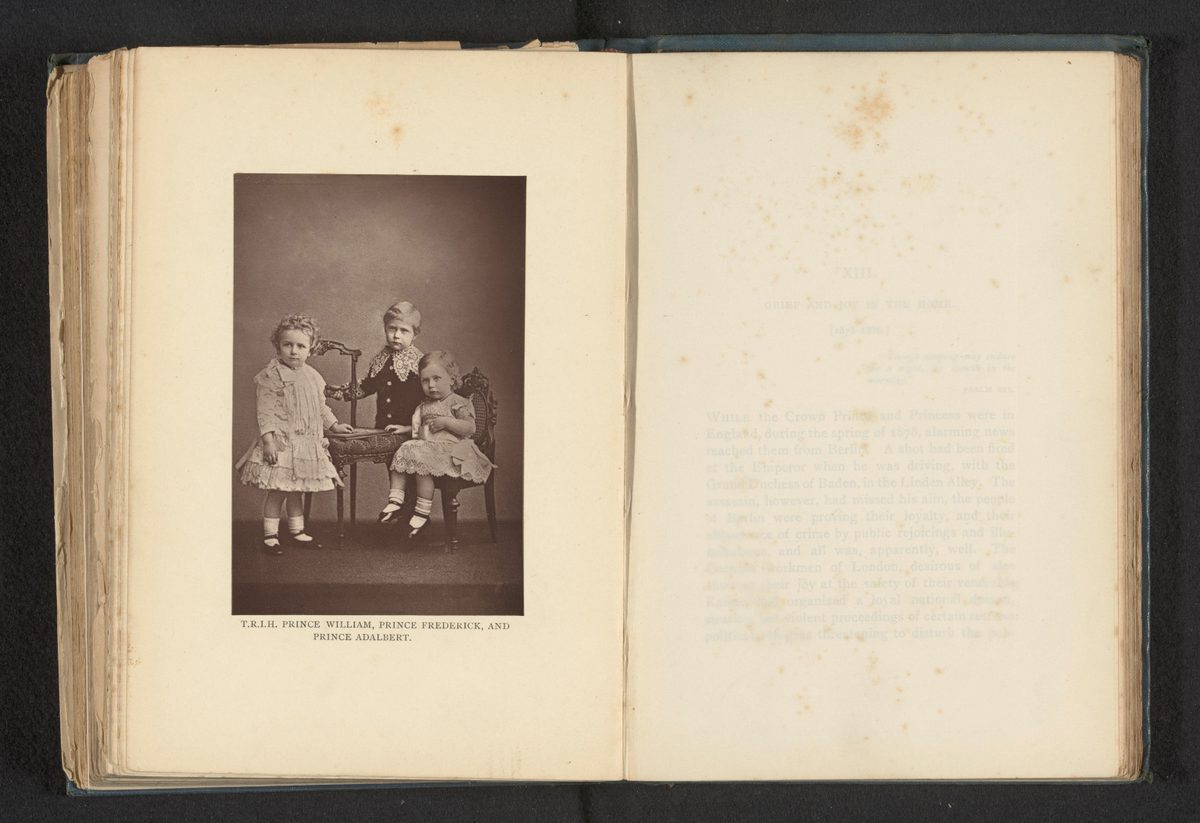
📷 Photo: Rijksmuseum. CC0 via Wikimedia Commons.