In 1971, the British royal family faced an unusual crisis — Prince Philip, the Duke of Edinburgh and renowned sportsman, was advised by doctors to swap his polo mallet for a more sedentary pastime. As anyone would expect, the Duke dreaded the idea of slowing down. The world braced for a restless royal adapting to life without the thrill of the polo field. However, what followed was a remarkable reinvention of not just a man but modern carriage driving itself. With a tilt of his hat and a brisk flick of the whip, Philip turned a forced pause into an earnest cause, embracing a new challenge with characteristic vigor.
The Unexpected Transition
Prince Philip was no stranger to competitive sports. Having excelled in polo, a game he passionately pursued for decades, it seemed unthinkable to see him sidelines. Yet at age 50, the Duke was confronted with doctor's orders to abandon the physically demanding sport he so adored. For most men, such news would incite lamenting reflections. For Philip, it kindled a fresh ambition. In carriage driving, he found a sport equally exciting and challenging — and quintessentially royal.
The transition wasn't entirely seamless. Although carriage driving had its roots steeped in tradition and was a pastime familiar within royal circles, engaging in it competitively was another beast altogether. Within months, however, Philip displayed his natural aptitude. By 1973, he astonished both critics and fans alike by competing at the highest echelons, representing Great Britain at the international level. His steadfast dedication reinvigorated a passion for a sport that had dwindled in the post-war years.
A Royal Obsession
Once Philip took up the reins, his engagement with carriage driving was nothing short of a royal obsession. Hours were spent practicing on the expansive lawns of Windsor Castle, where the Duke honed his skills. The serene Berkshire countryside became Philip's open-air classroom where rhythmic clatter of hooves echoed his concentrated efforts.
Committing himself wholeheartedly, he studied techniques, learned to adjust his carriages, and meticulously selected horses that met the highest standards of breed and training. He would frequently be seen surrounded by books and experts, parsing the nuances of driving. His practical application and investment in the sport had a profound impact, elevating carriage driving’s profile in the wider sporting community. His energy transcended personal achievement, leading to his eventual role as President of the Fédération Equestre Internationale from 1964 to 1986, where he championed carriage driving on the world stage.
A Royal Standard
By 1975, Philip was more than just a participant; he had become a standard-bearer for carriage driving. His influence helped carve a path for modern competitive carriage driving, setting regulatory standards and codifying rules that would shape the sport's future. What Philip accomplished went beyond personal satisfaction; he established a legacy for the sport cherished by equestrian enthusiasts across the globe.
He was involved in designing carriages, courses, and even contributed to the artistic interpretation of the sport. This innovative streak showed his flair for transforming tradition into a contemporary elegance aligned with royal sensibilities. Philip’s charisma and competitive spirit inspired others to engage with carriage driving, as seen in increased participation at club and international levels during the height of his involvement.
The Human Touch
For all his bold competitive pursuits, Prince Philip's approach to carriage driving bore the mark of authenticity. It was not merely about accolades but about enjoyment and camaraderie. Philip was known for his down-to-earth interaction within the community, often staying back after competitions to discuss strategies with fellow drivers and offering words of encouragement to newcomers.
"I am getting old; my memory is going," Philip reportedly quipped during a later interview, with characteristic humor acknowledging time's passing even as his passion for competitive driving remained undiminished.
Behind the stately facade of Buckingham Palace and the grandeur of Windsor's grounds, this pursuit drew a more human, even relatable side of the prince. The delight lay not just in trophies but in shared smiles and tireless learning together with a community hundreds of years old.
A Lasting Legacy
Prince Philip's devotion to carriage driving may have started as a personal pivot from the aristocratic thrill of polo but emerged as a meaningful avenue for royal engagement and community spirit. His fervor amplified a sense of continuity between tradition and modernity, reflecting the resilience inherent in the monarchy itself.
While Prince Philip's physical journey ended with his retreat from competitive sports in his later years, the waves of his impact continue to lap at the shores of the equestrian community. His story of adaptation and triumph serves as a timeless reminder of renewal: every end is but a new beginning, ripe with unexplored adventure.
In a royal tale that resonates deeply today, what unfolds is not merely a narrative of competitive success but of an enduring spirit — undiminished by age and circumstance. Even as we navigate the complexities of the modern world, the Duke of Edinburgh's legacy in carriage driving endures as a testimony to persistence, passion, and the joyous rediscovery of life's boundless possibilities.
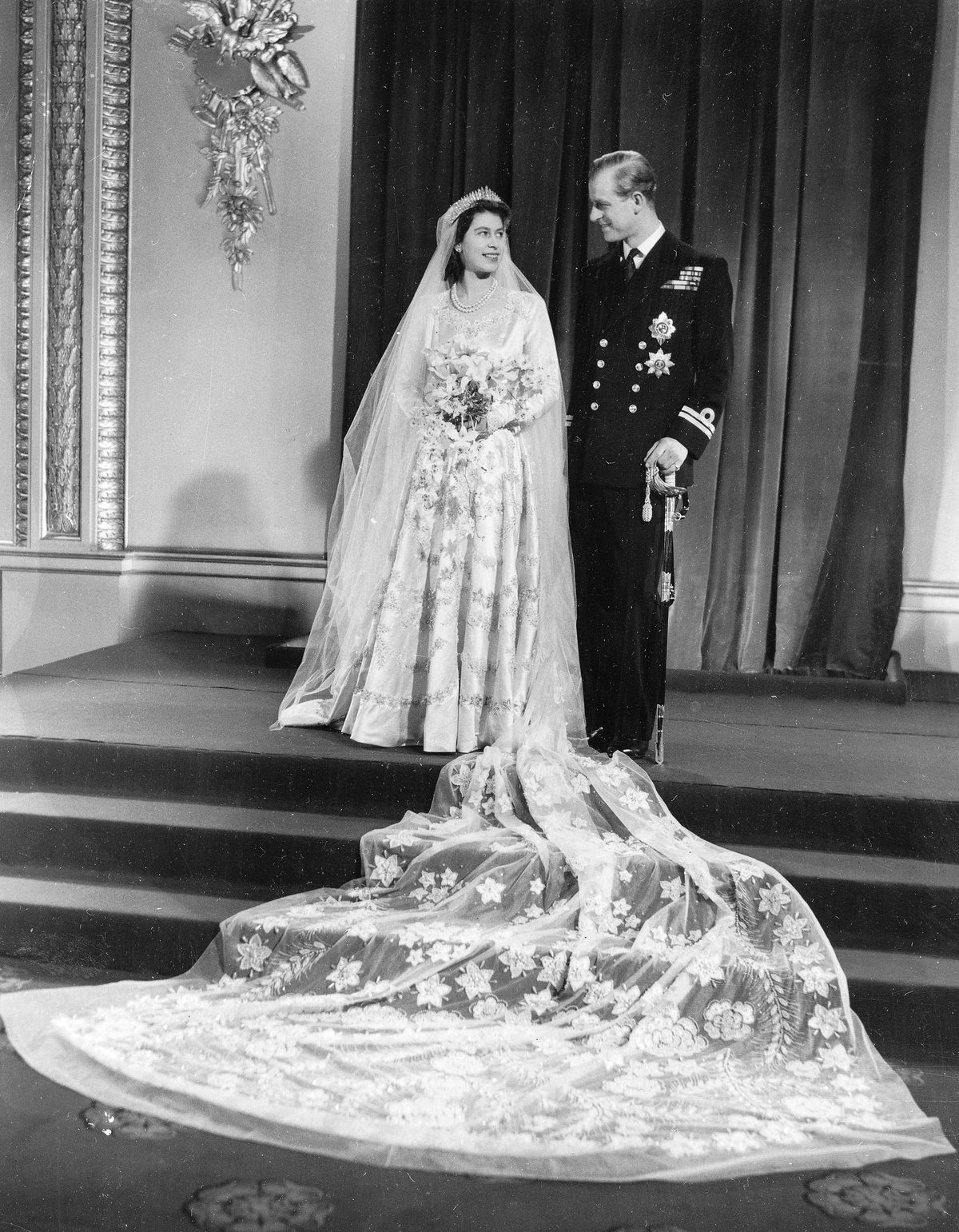
📷 Photo: Associated Press. Public domain via Wikimedia Commons.