He was not supposed to be there. No cameras followed him in. No aide announced his name. But in a quiet hospital ward in 1994, Prince Philip pulled up a chair beside a dying stranger and simply stayed — the kind of act that leaves no trace except in the memory of those who witnessed it, and stands as a testament to the quiet humanity that occasionally peers through the grandeur of royal life.
The Unseen Facets of Royal Duty
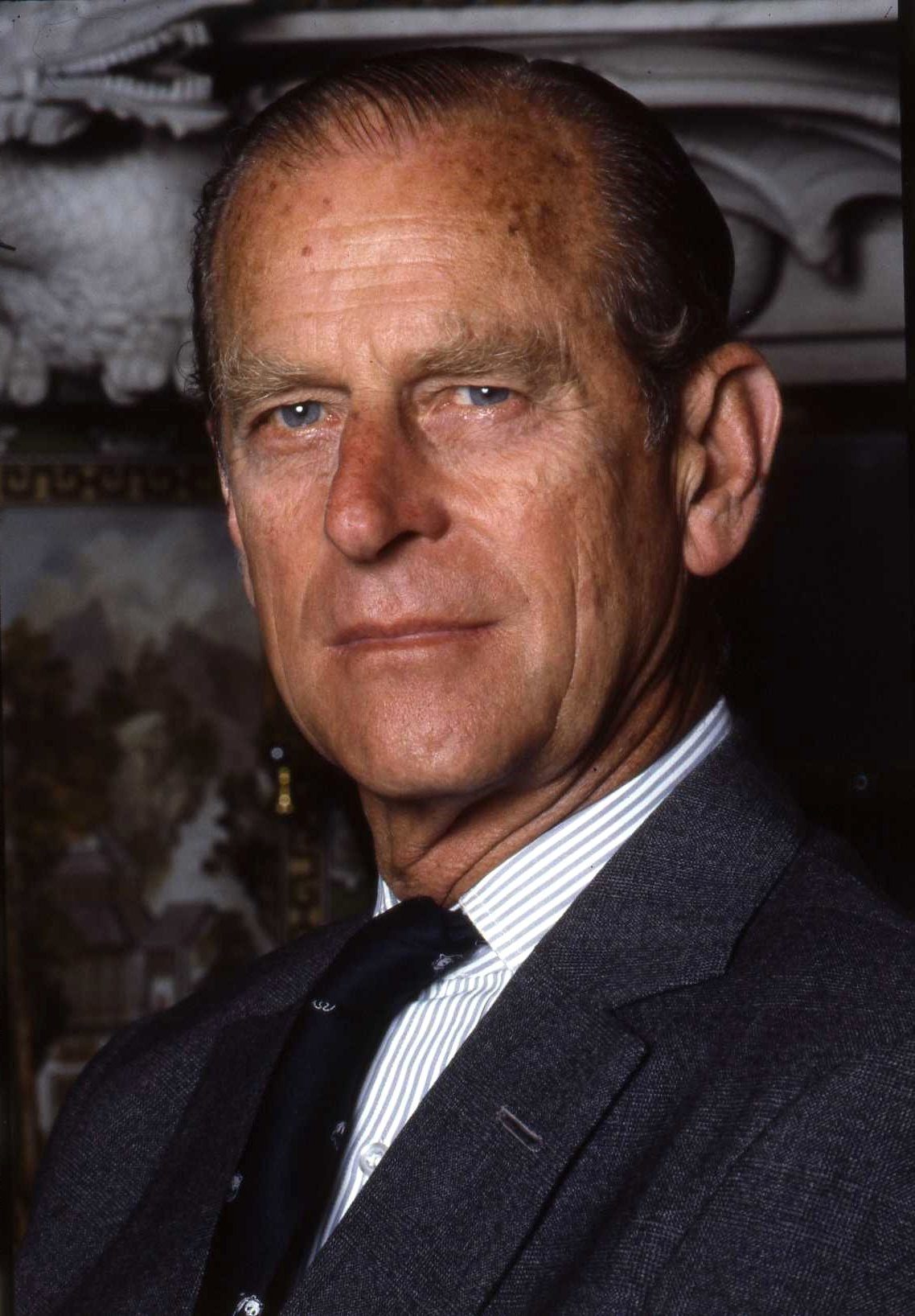
The life of a royal is one of constant scrutiny. Every step is watched, every gesture magnified. In 1994, Prince Philip, then well into his 70s, was no stranger to the rigors of public duty. Known officially as the Duke of Edinburgh, he was the steadfast backbone of the modern British monarchy. Prince Philip’s schedule was a patchwork of ceremonial obligations, public appearances, and private audiences, each meticulously documented and overseen by countless aides.
It is within this structured existence that we find the unexpected: a quiet encounter in a hospital ward, far from the public eye. No headlines lauded his action, and no photographs documented the moment. Philip, ever the pragmatist, had a reputation for being forthright and unyielding. Yet those who had the privilege of interacting with him often spoke of a man capable of great warmth and subtle empathy, qualities not often captured by the media spotlight.
The Gentle Reverse of Fortunes
On an ordinary day in 1994, Prince Philip found time in his schedule to visit a London hospital — a visit not listed in any royal diary. It was there, amidst the sterile corridors and subdued hum of medical routines, that he encountered a man in the twilight of his life. The man was alone, his story largely unknown to us. Whether an occasion of familiarity or the whims of compassion, Prince Philip entered quietly, without entourage or fanfare. The scene was private, almost sacred; a testimony to genuine human connection beyond titles or expectations.
For nearly an hour, Prince Philip sat with the man. He held his hand, an intimate gesture of solace and solidarity. At a time when titles mattered little to those on either side of the divide between life and death, what mattered was presence — being there, communicating courage and comfort without words. A ward sister later recalled witnessing the quiet encounter. She noted how he sat quietly, not announcing who he was, just being a human being at the most fundamental level.
A Quiet Legacy of Compassion
While much of royalty is about maintaining tradition and upholding the dignity of the crown, there are moments that go unrecorded, unseen by the public eye, that offer a view into the heart beneath the regalia. Prince Philip's private visit exemplifies the capacity for empathy and personal connection beyond the royal protocol.
This incident, instead of being a singular anomaly, aligns with the fabric of quiet services Prince Philip often engaged in throughout his life. He was less about sweeping gestures, often favoring subtle, tangible acts of support, especially towards those who served in the armed forces and other charitable causes close to his heart. Behind the serrated wit and candid demeanor was a man who believed in service as a measure of one’s humanity — a theme that consistently adorned his life and work but often evaded public recognition.
The Human Continuum in a Royal Story
This story from 1994 may seem minor amid the scope of royal engagements and events, yet it resonates with those who admire the monarchy's human side. In the tapestry of royal history, such stories weave subtle yet strong threads that reinforce the personal bonds royals like Prince Philip shared with the public. These exchanges are reminders that kings and queens, princes, and princesses are not immune to the vulnerabilities or emotions that define us all.
The palace, with its grand halls and stately protocol, serves as a backdrop for a family that, while bound by duty, is also enriched by personal relationships and acts of kindness. As we delve into the nuanced layers of royal stories, what remains clear is that moments like these transcend the stringent boundaries of tradition, uniting commoners and royalty in a shared journey of compassion and understanding.
The Modern Monarchy: A Reflection of Timeless Values
Today, the role of the British monarchy continues to evolve, blending tradition with a modern sensibility that values transparency and relatability. The echoes of Prince Philip’s quiet acts of kindness reverberate as present-day royals engage with public life through charities, patronages, and personal stories that emphasize the royal commitment to community and service.
There is an enduring strength in a story that centers not on power or privilege but on the eloquent simplicity of empathy and human contact. As we reflect on this brief, poignant chapter from 1994, it's clear that the real essence of monarchy lies in these quiet, unheralded gestures that bind the royals to the people they serve, solidifying their place not just on the world stage, but in the hearts of those who continue to hold their legacy dear.
📷 Photo: Allan warren. CC BY-SA 3.0 via Wikimedia Commons.