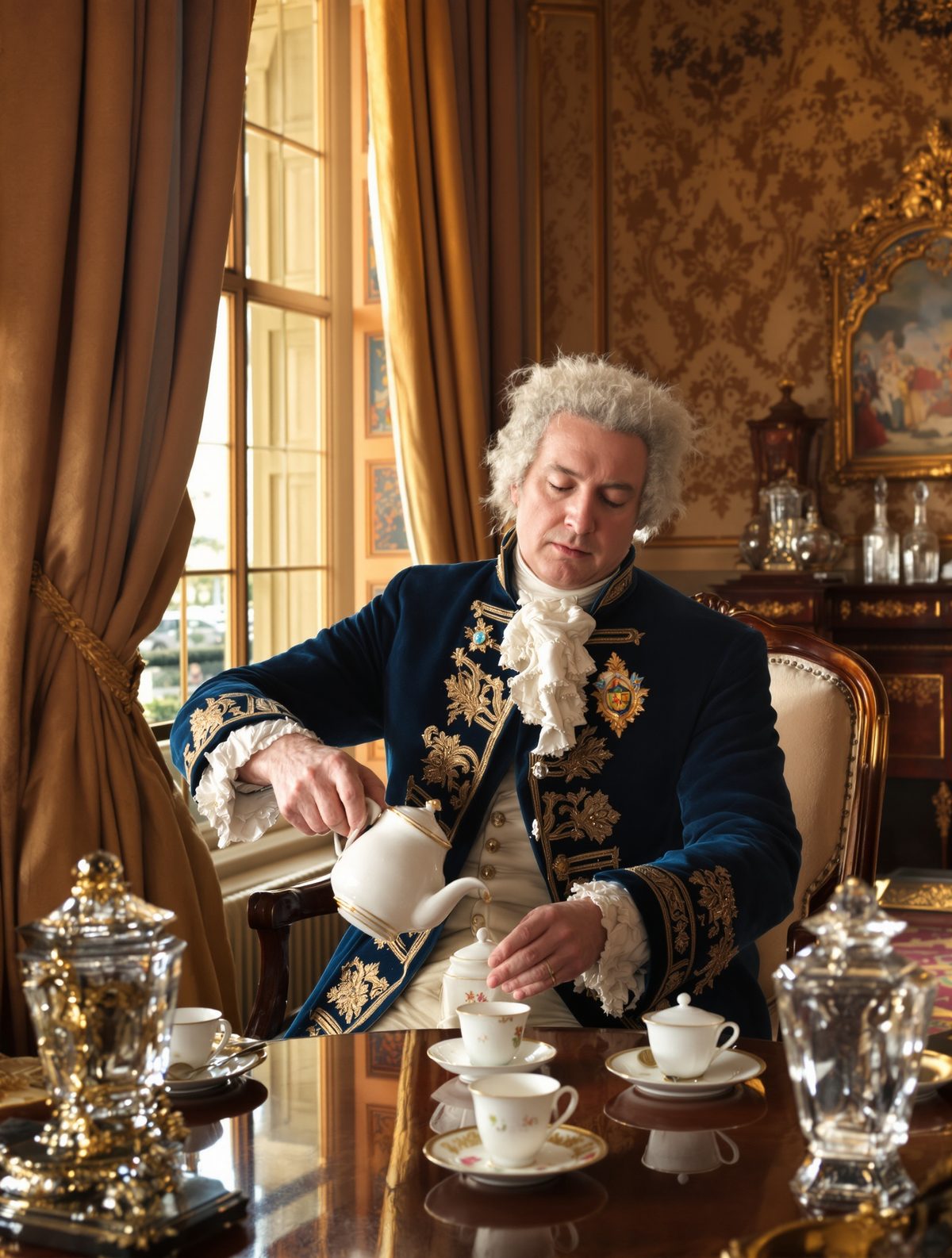

History remembers Henry VII as the calculating monarch who ended the Wars of the Roses through ruthless political maneuvering, careful financial management, and an almost paranoid approach to securing his dynasty's future. Yet palace records from the 1490s reveal an astonishing nightly ritual that showed his remarkably tender side as a devoted father to the future Henry VIII—one that would profoundly shape the boy who would become England's most infamous king.
In the flickering candlelight of his private chambers at Westminster Palace, the stern founder of the Tudor dynasty would set aside his state papers each evening to craft something far more precious than political treaties. With quill in hand, Henry VII penned original fairy tales, complete with brave knights, magical forests, and triumphant princes. These weren't hastily scribbled bedtime stories, but carefully crafted narratives written in the king's own elegant script, each one a small masterpiece of paternal devotion.
The King's Secret Literary Ritual
According to detailed household accounts and personal records discovered in the Royal Archives, Henry VII maintained this extraordinary tradition throughout the 1490s, when Prince Henry was between six and ten years old. The king would retire to his private study after the evening's court business concluded, often well past nine o'clock, and spend an hour crafting these personalized tales.
The stories themselves were far from simple children's entertainment. Drawing upon his own experiences during the tumultuous years before claiming the throne, Henry VII wove narratives that subtly prepared his young son for the complexities of kingship. Tales of lost princes who reclaimed their rightful inheritance echoed his own victory at Bosworth Field, while stories of wise rulers who balanced strength with mercy reflected the delicate political balance he worked so hard to maintain.
Palace staff noted the king's particular attention to detail during these writing sessions. He would select the finest parchment from his personal supplies and ensure his writing materials were perfectly prepared. No secretary or scribe was permitted to assist with this deeply personal task—each word flowed directly from the king's own hand to his beloved son.
A Father's Personal Touch in the Royal Nursery
Perhaps most remarkably, Henry VII didn't simply send these stories to Prince Henry through servants or tutors. Court records indicate that the king personally delivered each tale to his son's bedchamber, often after the household had settled for the night. This intimate ritual represented precious private time between father and son, away from the formal protocols that governed their daytime interactions.
The prince's reactions, as recorded by his nurses and attendants, reveal the profound impact these stories had on young Henry. He would eagerly await his father's arrival each evening, and palace staff noted how the typically energetic boy would settle immediately when the king appeared with his latest creation. The future Henry VIII reportedly insisted on keeping each handwritten story, carefully organizing them in a special wooden chest beside his bed.
This tender routine stood in striking contrast to the formal relationship typical between royal fathers and their heirs. While most kings of the era maintained considerable distance from their children's daily lives, Henry VII's bedtime ritual demonstrated an unusually hands-on approach to parenting that was remarkable for its time.
The Lasting Legacy of Royal Storytelling
The impact of these nightly stories extended far beyond childhood comfort. Historical evidence suggests that Henry VIII retained his father's handwritten tales throughout his adult life, even during his most turbulent years. When inventories were taken of his personal possessions following his death in 1547, the collection of his father's bedtime stories was discovered among his most treasured private papers, carefully preserved despite decades of political upheaval, religious reformation, and personal drama.
The stories' influence on Henry VIII's character and kingship remains a subject of scholarly debate. Some historians argue that his father's tales of powerful, decisive rulers may have contributed to Henry's later authoritarian tendencies and his unwavering belief in the divine right of kings. Others suggest that the stories' emphasis on justice and protecting the realm influenced his genuine desire to be seen as a great king, even when his methods proved controversial.
The writing ritual also reveals Henry VII's sophisticated understanding of the power of narrative in shaping identity and values. By crafting personalized stories for his heir, he was essentially creating a private curriculum in kingship, one that complemented the formal education Prince Henry received from his tutors and established a deeply personal connection between father and son.
Rediscovering the Human Side of the Tudor Dynasty
These intimate glimpses into the Tudor court's private life remind us that even the most politically calculating monarchs were, fundamentally, human beings navigating the universal challenges of parenthood. Henry VII's dedication to this nightly ritual, maintained despite the enormous pressures of ruling a newly established dynasty, speaks to priorities that transcend political ambition.
The discovery of this tradition also sheds new light on the early influences that shaped Henry VIII's complex personality. While history often focuses on the dramatic events of his later reign—the six wives, the break with Rome, the dissolution of the monasteries—understanding his childhood reveals the foundations of both his strengths and his troubling tendencies.
The bedtime stories represent something profoundly touching about royal family life in the late 15th century. They show a king who, despite facing constant threats to his throne and the enormous responsibilities of establishing a new royal line, made time for the simple yet profound act of storytelling with his son.
In our modern age, when we often view historical monarchs as distant figures defined primarily by their political achievements and failures, Henry VII's secret storytelling tradition offers a refreshingly human perspective. It reminds us that even the most powerful rulers faced the same fundamental desires to connect with their children, to pass on their values, and to create lasting memories through shared intimate moments.
The image of the calculating first Tudor king, candle flickering in his chamber as he carefully crafted tales of brave princes and wise rulers for his eager young son, provides a poignant counterpoint to the formal portraits and political narratives that typically define our understanding of royal history. These handwritten bedtime stories, treasured by Henry VIII until his death, represent perhaps the most genuinely precious inheritance the founder of the Tudor dynasty left to his legendary son.