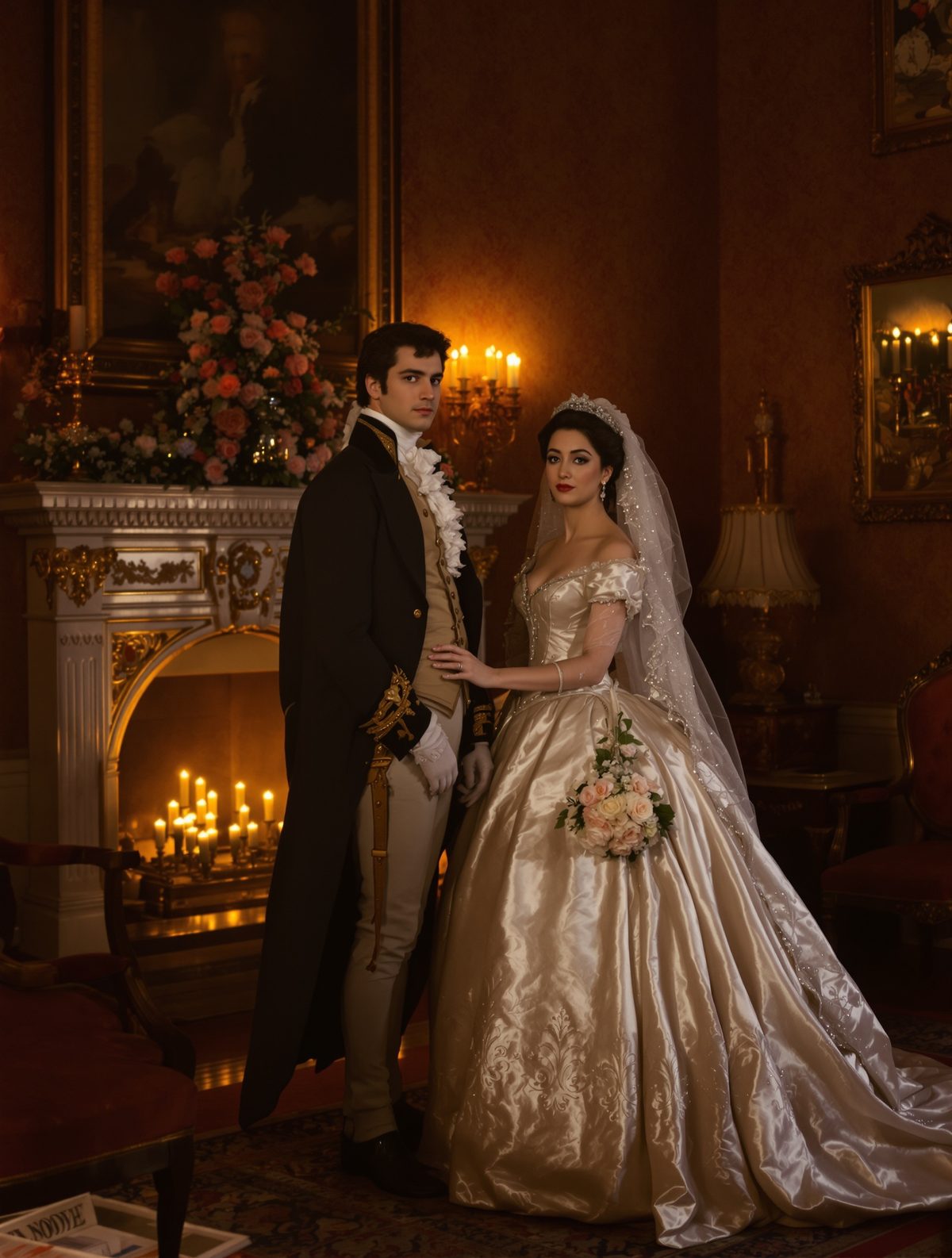
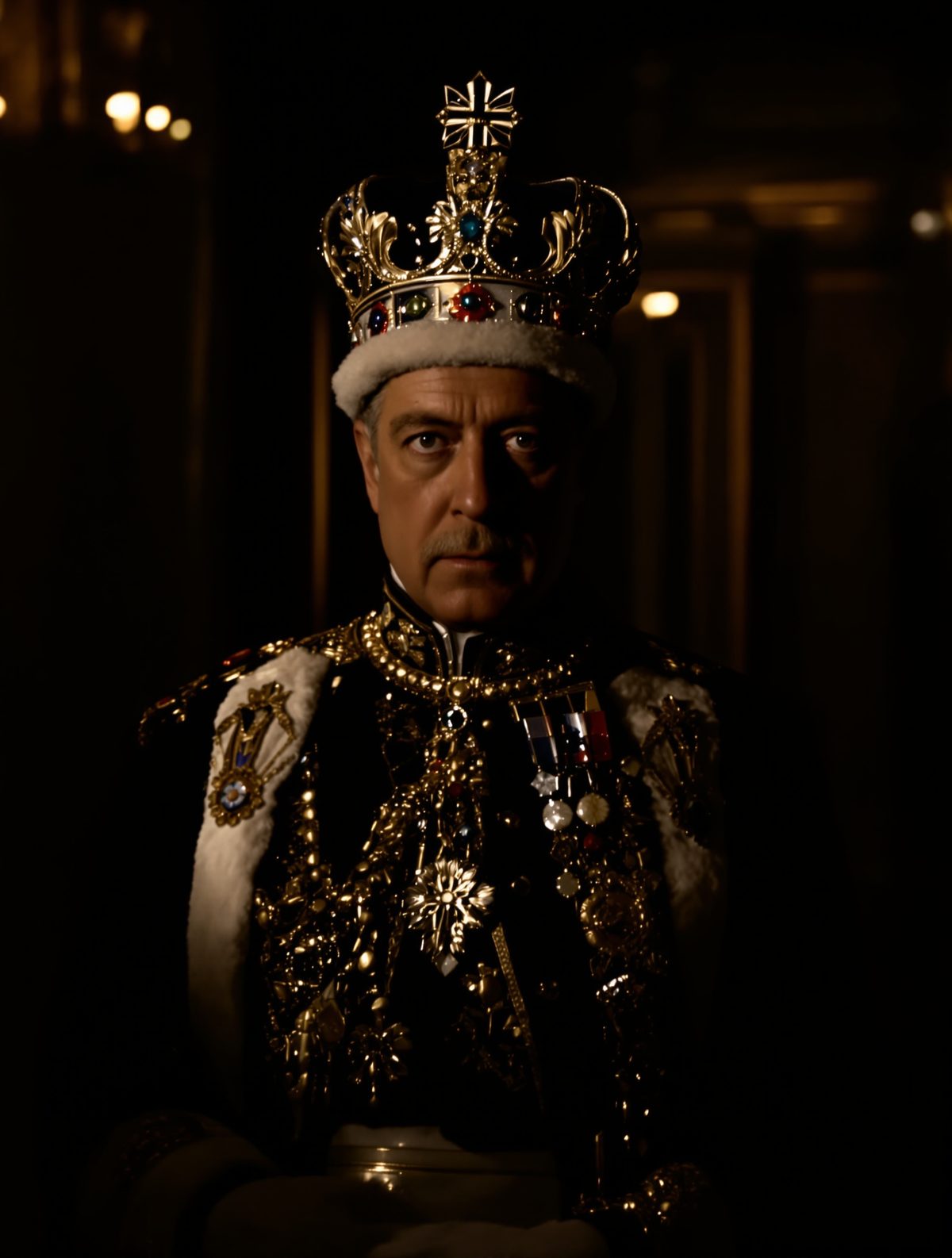
In the shadowy corridors of Buckingham Palace during the spring of 1937, bewildered servants encountered an extraordinary sight: their new king wandering the halls past midnight, wearing the heavy St. Edward's Crown upon his head. King George VI, thrust unexpectedly onto the throne by his brother's shocking abdication, had embarked on a secret regime of preparation that would both alarm and move those who witnessed it. Night after night, the reluctant monarch donned the five-pound ceremonial crown, pacing the palace floors with quiet determination, his forehead bearing the painful red marks of his dedication.
A Crown He Never Expected to Wear
The man who would become George VI had spent most of his life in the comfortable shadows of royal duty, never imagining he would one day bear the weight of kingship—literally and figuratively. Born Prince Albert Frederick Arthur George, he was known affectionately as "Bertie" within the family circle. As the second son of King George V, he had prepared for a life of supporting his elder brother, the charismatic Edward VIII, who seemed destined for a long and successful reign.
The abdication crisis of December 1936 shattered those expectations forever. When Edward VIII chose love over duty, abandoning his throne to marry American divorcée Wallis Simpson, Bertie found himself catapulted into a role that filled him with dread. Unlike his gregarious brother, the new king struggled with a severe stammer and suffered from what we would now recognize as social anxiety. The prospect of his coronation—a ceremony watched by millions and steeped in centuries of tradition—represented his greatest fear made manifest.
Palace staff who had served the royal family for decades noted the profound change in the once-quiet Duke of York. Where Edward had approached royal duties with casual confidence, George VI brought an almost painful conscientiousness to every aspect of his new role. His wife, the future Queen Mother Elizabeth, later recalled how he would spend hours studying constitutional law and royal precedent, determined to honor the unexpected trust placed in him.
The Weight of History and Gold
St. Edward's Crown, the centerpiece of the coronation ceremony, represents far more than mere royal regalia. Created for the coronation of Charles II in 1661, this magnificent crown contains over 400 precious stones and weighs approximately five pounds—a considerable burden for any head to bear, particularly during a ceremony lasting several hours. The crown's solid gold frame, adorned with semi-precious stones including amethysts, sapphires, garnets, and topazes, makes it one of the heaviest pieces in the Crown Jewels collection.
Historical accounts suggest that George VI became acutely aware of the physical challenges posed by the crown after studying records of previous coronations. Palace archivists noted his particular interest in accounts of kings who had struggled with the ceremony's demands. The specter of his great-great-grandmother Queen Victoria, who had found her own coronation crown so heavy that it left her with persistent headaches, may have influenced his decision to begin his unusual preparation routine.
The king's private secretary noted that His Majesty had requested detailed information about the timing of each element of the coronation service. Unlike many of his predecessors, who had relied on instinct and brief rehearsals, George VI approached the ceremony with the methodical planning of a military campaign. His background as a naval officer, serving with distinction during World War I, had instilled in him a belief that thorough preparation was the key to success under pressure.
Midnight Rehearsals in the Palace Corridors
The king's nocturnal practice sessions began approximately six weeks before the May 12, 1937 coronation. According to surviving palace records and staff memoirs, George VI would request access to St. Edward's Crown after the evening's official duties had concluded. What started as brief sessions gradually extended into lengthy walks through the palace's grand corridors, with the king wearing the crown for hours at a time.
These midnight rehearsals served multiple purposes beyond simple physical conditioning. Palace staff observed that the king would practice the precise movements required during the ceremony—the careful inclination of his head, the measured pace necessary when processing down Westminster Abbey's aisle, and the controlled posture needed while seated on the Coronation Chair. He understood that any stumble or awkward moment would be magnified in the eyes of his subjects and the international press.
The physical toll of these sessions became evident to those closest to the king. His valet reported finding the crown carefully cleaned of makeup used to conceal the red marks it left on His Majesty's forehead. The Queen, discovering her husband's dedication, initially expressed concern about the physical discomfort he was enduring. However, she came to understand that these preparation rituals provided him with something far more valuable than physical conditioning—they offered him a sense of control over a situation that had initially overwhelmed him.
Servants who encountered the king during these late-night sessions described a man transformed. The anxious reluctance that had characterized his early weeks on the throne gave way to quiet determination. One longtime palace employee later recalled the profound dignity of seeing their monarch, alone in the darkened corridors, preparing himself to serve his people with every fiber of his being.
A Coronation Triumph Born of Dedication
When the coronation day finally arrived, the months of secret preparation proved their worth magnificently. Contemporary accounts describe King George VI's bearing throughout the lengthy ceremony as nothing short of regal. Despite his well-documented struggles with public speaking, he delivered his responses clearly and confidently. The feared stumble never materialized, and the king who had once dreaded the ceremony carried himself with remarkable grace and authority.
The success of the 1937 coronation established George VI as a monarch worthy of his people's respect and affection. Those who witnessed his midnight preparations understood that they had observed something profound—a man rising to meet an extraordinary challenge through sheer force of will and dedication. The physical discomfort he had endured, the hours of solitary practice, and the quiet determination he had shown in those darkened palace corridors all contributed to one of the most successful coronations in British history.
Palace staff who had initially been startled by their king's unusual preparation methods came to view them as evidence of his deep commitment to his role. The red marks on his forehead, which had once caused concern, became symbols of a monarch who would spare no effort in service to his country. This dedication would prove prophetic, as George VI would lead Britain through some of its darkest hours during World War II with the same quiet courage he had shown in those midnight rehearsals.
The story of King George VI's secret coronation preparations reveals the profound humanity behind the ceremonial grandeur of monarchy. His midnight walks through Buckingham Palace, bearing the weight of St. Edward's Crown, remind us that even kings must earn their crowns through dedication, sacrifice, and unwavering commitment to duty. In our modern age, when royal ceremonies continue to captivate global audiences, we can appreciate how one man's quiet determination in the shadows helped create a moment of national pride that still resonates today. The crown that once left painful marks on a reluctant king's forehead became the symbol of a reign marked by courage, dignity, and an unshakeable sense of service to others.