In the summer of 1917, while the roar of artillery echoed across the Western Front and anti-German sentiment seethed through the streets of Britain, King George V faced a monumental challenge. His family, reigning over the British Empire, bore the unequivocally German surname of Saxe-Coburg-Gotha. As bombs fell, amusing anecdotes about royals with German connections ceased to entertain. The tension had reached a crescendo, and when Kaiser Wilhelm reportedly jested over the name with 'The Merry Wives of Saxe-Coburg-Gotha,' it was clear to George V that action was paramount.
The Royal Quandary: Identity in a Time of War
George V, grandson of Queen Victoria and Prince Albert, had watched Europe unravel into conflict, with familial bonds on various thrones tying him to adversaries. The House of Hanover, later the House of Saxe-Coburg-Gotha through his father Edward VII, was undeniably German. As the war trudged on, anti-German feeling surged in Britain. The idea of a British Emperor with a German name struck a dissonant chord. Newspapers besieged the monarchy with pointed criticisms, and the public questioned their allegiance.
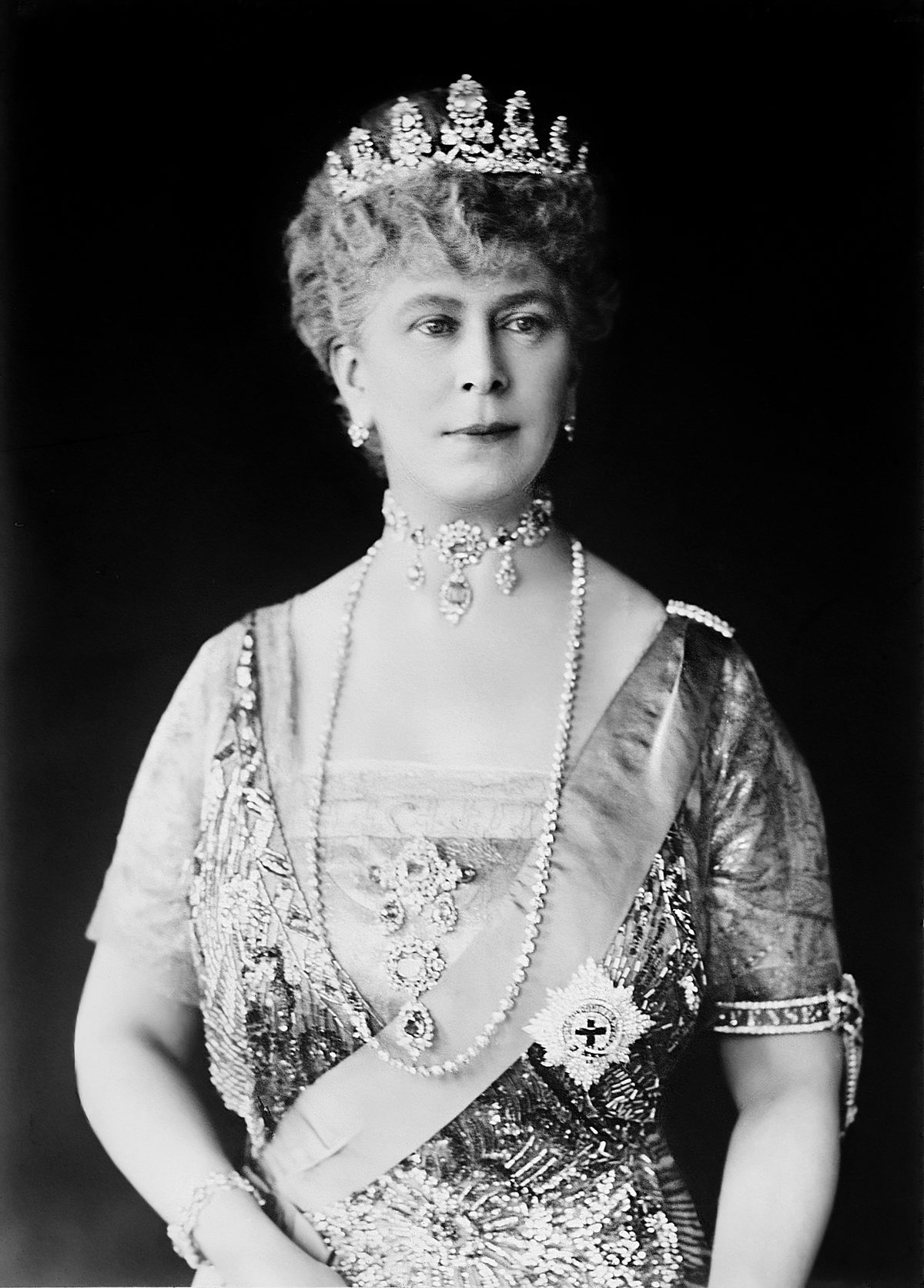
In the royal court, dichotomies of identity played out against a backdrop of duty and tradition. The inner circle of the monarchy felt the pressure—a shift had to occur. The Queen, Mary of Teck, herself of German ancestry, stood alongside her husband. Just outside courtly life, the country was grappling with suspicions and betrayals, and the monarchy wasn't exempt from scrutiny.
A Bold Stroke of Dignified Response
The idea of changing the royal house's name was radical but necessary. George V, a monarch not overwhelmed by grandeur but pragmatic in approach, recognized what was needed. Nearly overnight, he drew a line between his dynasty and its German heritage. In a decisive moment in July 1917, a proclamation was issued: the British royal family would henceforth carry the name House of Windsor, reflecting a lineage as sturdy and quintessentially English as Windsor Castle itself.
This act, simple yet audacious, was a stroke of genius. It projected strength and solidarity with the British people. It performed a historic severance that protected and perpetuated monarchy amidst swirling tides of nationalism. King George's choice was as symbolic as it was strategic, severing historical links without denying familial roots.
The Human Element: A Family's Transformation
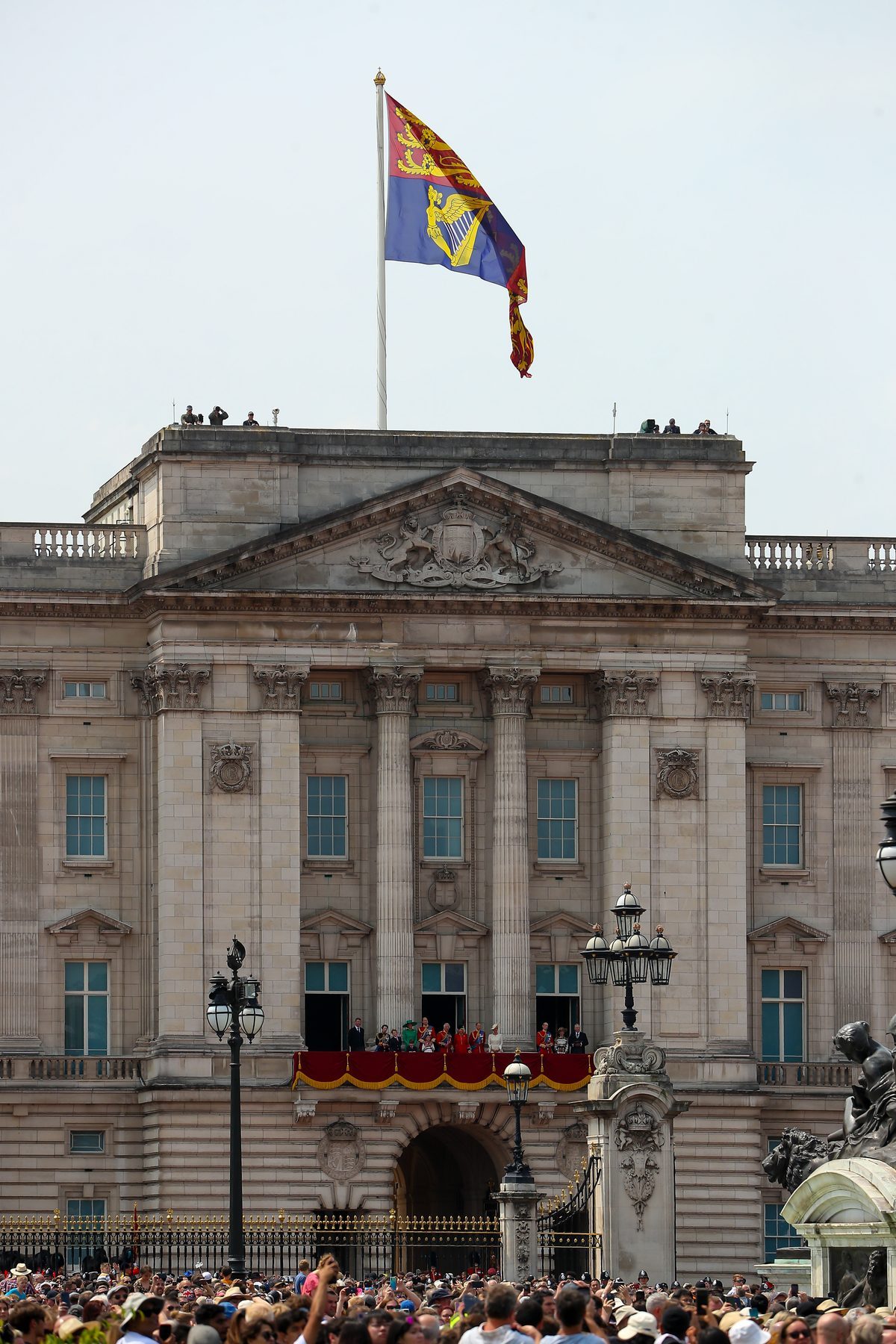
Within the confines of Buckingham Palace, personal stories wove into this grand narrative. The King himself reportedly acknowledged the emotional complexity of the decision. For his children, this meant reimagining their identities. A legacy of tradition was abruptly recast, and they were charged with embodying this new vision.
As soldiers from every corner of the Empire fought under the Union Flag, the royal family aimed to exemplify national unity. The move was greeted widely with relief and admiration. The transformation offered a stirring message: the monarchy was not an immutable relic but a dynamic and responsive institution.
Queen Mary, noted for her staunch adherence to duty, played a significant role in supporting her husband. Her unwavering composure provided solace through the tumult, particularly as the pressures of war weighed heavily upon the King’s shoulders.
Legacy and Continuity: Winds of Change
The rechristening of the royal house to 'Windsor' had profound implications. It encapsulated the adaptability of the monarchy, their capacity to listen and evolve with the populace's voice. It signaled the beginning of a modernized vision, a monarchy aligned with their Kingdom’s aspirations.
Today, the House of Windsor stands as a testimony to this transformative period. Whether it's the State Opening of Parliament or the ceremonial Trooping the Colour, these events echo with the rich history folded into the Windsor name. It's a heritage beloved by millions across the Commonwealth and beyond, representing not only continuity but a deeply resonant pledge of unity.
Reflecting Forward: The House That Wins
As Britain faces new challenges, the lessons from 1917 hold potent relevance. The agility, foresight, and courage demonstrated by King George V resonate with a monarchy that has since traversed a century rich in change. While historical landscapes reshape, so too does the context within which the Monarch operates — emphasizing authenticity, compassion, and connectivity with the people.
The House of Windsor, resilient and adaptable, remains a beacon in the British identity, a testament to a moment wherein a bold king crafted his legacy. It is a legacy that treasures tradition, embraces change, and restores faith in an institution whose continuity reflects the ever-evolving ethos of its subjects. The decision made in 1917 remains a poignant reminder of how history’s echo can guide a nation and its monarchy toward unity and perseverance.
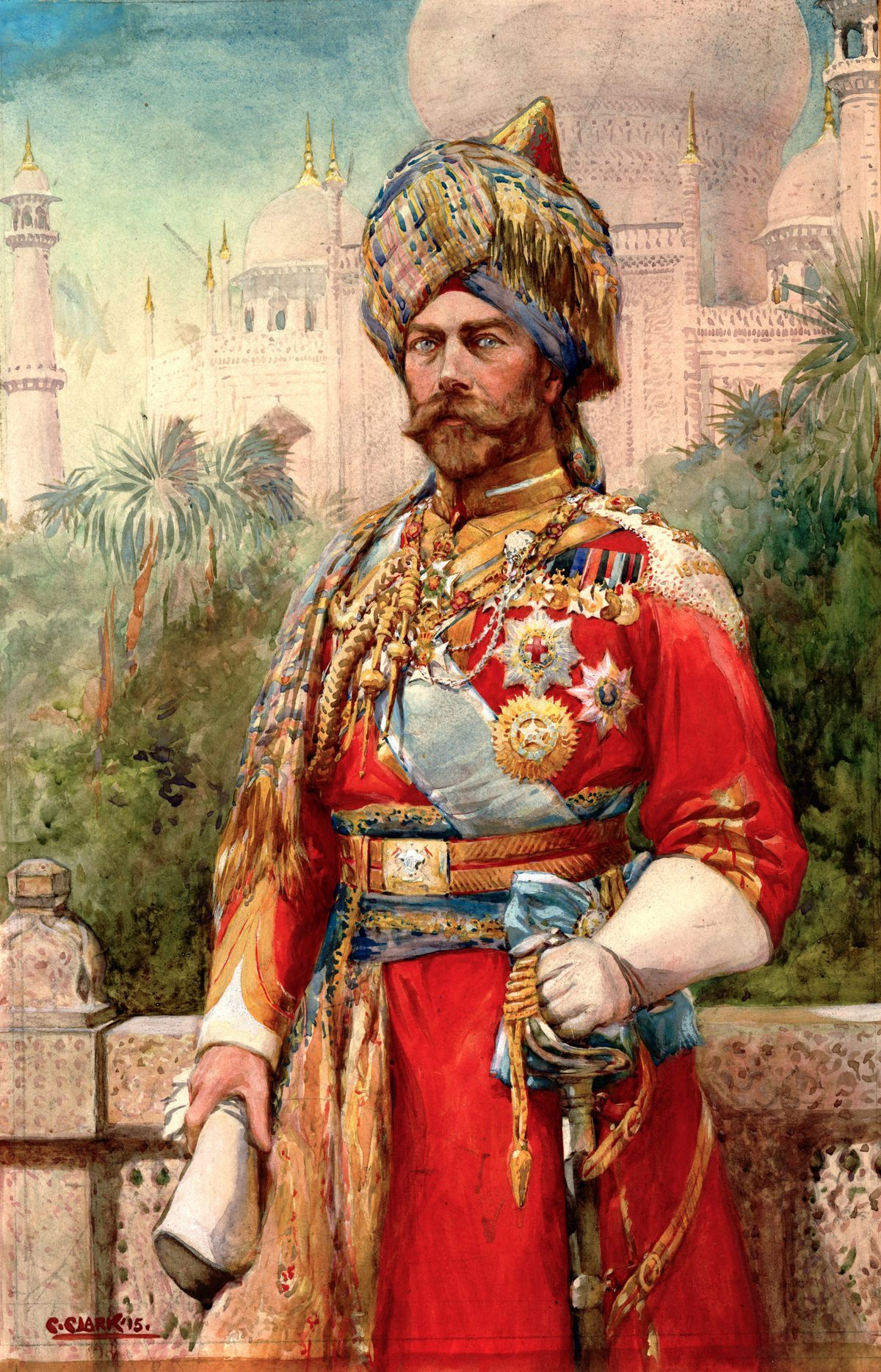
📷 Photo: Christopher Clark (1875 - 1942). Public domain via Wikimedia Commons.