In the shadowy corners of Buckingham Palace, whispers of forbidden romance have long found a place. Yet, among these tales, none echoes more profoundly than that of King George IV and Maria Fitzherbert. It was an age when the luminescence of gold and the weight of the crown thrived amid strictures and expectations. But in December of 1785, beneath the gentle glow of candlelight, the Prince of Wales dared to defy society and law, marrying a twice-widowed Catholic commoner, Maria Fitzherbert, in a clandestine ceremony that shocked an empire.
The Heir and the Widow: Unlikely Lovers
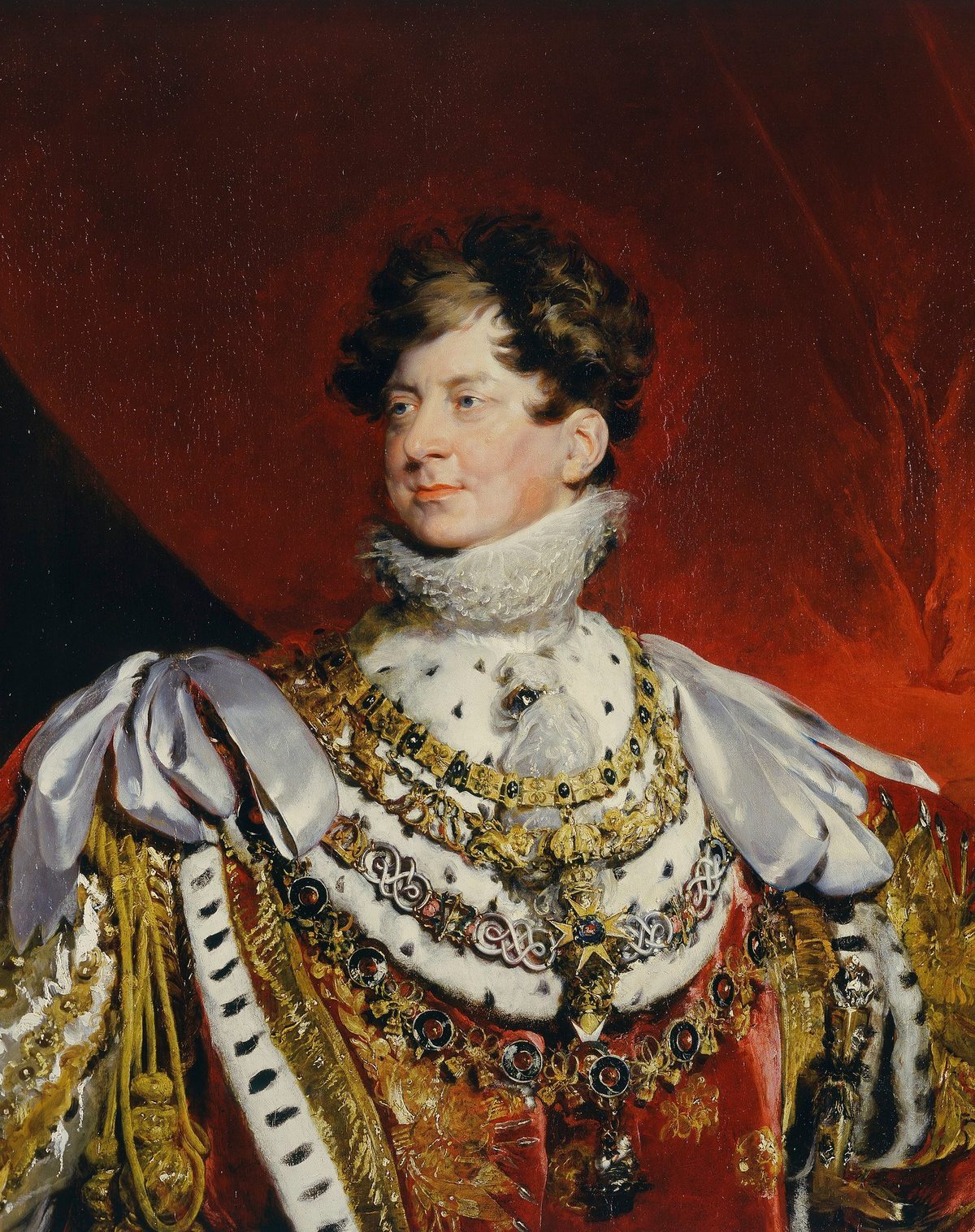
George Augustus Frederick, the eldest son of King George III and Queen Charlotte, was no stranger to opulence or exuberance. From the lavish balls at Carlton House to the exclusive salons of London, he was a patron of culture, fashion, and excess. Yet, beneath the elaborate embroidery of his royal robes lay the heart of a man yearning for genuine connection and affection — something he seemed to have found unexpectedly in Maria Fitzherbert.
Maria Anne Fitzherbert, born Maria Smythe, was a woman of elegance and resilience. Twice widowed by her thirties, she was known for her grace and charm. Her Catholic faith, much like her femininity, was worn openly and defied the Anglican expectations of the time. Fate intervened when she crossed paths with the young and impetuous George, sparking a romance both passionate and perilous.
Their love, while genuine, was fraught with peril from the start. English law forbade any heir to the throne from marrying a Catholic, and the Royal Marriages Act of 1772 required that members of the royal family seek the monarch's permission for marriage. Their union, therefore, was not just scandalous — it was illegal.
The Secret Ceremony
In the twilight of December 1785, within a modest drawing room in London, a small group witnessed an illegal yet deeply personal exchange of vows. A day not marked by fanfare or celebration at court, but remembered by the earnest promise of love. The ceremony was simple yet profound, performed by a clergyman unaware of the implications that lay behind the veil.
No grand carriages bore witness outside, no proclamations rang through the streets; the ceremony was carefully designed to keep the royal father's gaze diverted and the law restrained. Even amongst friends and family, the union was shrouded in secrecy, a bond only disclosed to the closest of confidants. For Maria, it was a risk that defined the rest of her life; for George, a choice that offered a refuge from the constrained confines of royalty.
A Hidden Bond: Love and Duty
Their marriage, concealed from the prying eyes of the public and the critical gaze of the court, endured for years in the shadows. Maria Fitzherbert became a fixture in George's life, providing a stability and affection that was absent elsewhere. To some, including George himself, she was his true wife, despite legality and doctrine dictating otherwise.
The pressure of societal expectations and royal duty eventually led George to enter an official, dynastic marriage to Princess Caroline of Brunswick in 1795. A union to produce an heir, this marriage was anything but harmonious. Yet, the bond with Maria remained unbroken, a testament to their enduring connection.
The challenges of this double life were profound. Maria was often at the mercy of rumor and speculation, her place oscillating between favored and forgotten as George navigated his public responsibilities. Yet, her loyalty remained unwavering, a testament to the strength of her affection amidst the tempest of courtly life.
The Scandal Surfaces
It was not until 1830, following the death of King George IV, that the full story of his secret marriage truly emerged into public consciousness. A bundle of papers, entrusted to a confidant, contained incontrovertible evidence of the marriage, further verified by a painting, held in secret by Maria’s family, depicting her dressed in bridal attire.
The implications were profound and far-reaching. Had the marriage been acknowledged during George's life, it might have threatened the stability of the monarchy. The delicate balance between personal desires and public duty had been maintained at great personal cost.
To those of the time, the revelation was both astonishing and affirming of the power of attachment that transcended all barriers. The public, fascinated by the human element of the royal legacy, read in awe of a tale where love and duty were forever intertwined.
Resonance Through the Ages
The secret marriage of King George IV and Maria Fitzherbert remains a poignant chapter in the annals of British royal history. It echoes the eternal human conflict between passion and obligation, a narrative thread woven into the very fabric of monarchy. Their story, whispered through palace halls and retold in history's pages, offers a vivid reminder of the complexities of royal life.
In a modern era where the private lives of royals are perpetually in the limelight, George and Maria's story continues to resonate. It serves as a reminder of the timelessness of love that defies constraint, and of individuals who navigate personal happiness alongside a profound sense of duty.
The tale of George and Maria transcends time, offering a reflection on the choices that shape destinies and the enduring mysteries of the human heart. Their love story, born of illicit vows and heartfelt devotion, captures the imagination and kindles the heart, encouraging us to ponder the fine balance between love's freedom and duty's tether in the royal tapestry.
📷 Photo: Thomas Lawrence. Public domain via Wikimedia Commons.