After years of exile, the newly restored King Charles II made a decision that left his traditional English courtiers absolutely mortified. The monarch who had spent his youth fleeing Puritan rule was about to embrace something they considered scandalously foreign and undignified. In the hallowed halls of Whitehall Palace, whispers echoed through tapestried corridors as news spread like wildfire: His Majesty had secretly hired a French ballet master for private dancing lessons.
For a court still adjusting to the return of royal pageantry after the austere years of Commonwealth rule, this latest royal indulgence seemed a step too far. But Charles II, the Merry Monarch as history would remember him, had spent his formative years absorbing the sophisticated culture of European courts. Now, in the 1660s, he was determined to bring that continental elegance to England—regardless of what his stuffier subjects might think.
A King Shaped by Exile
To understand Charles II's passion for dance, one must first appreciate the extraordinary circumstances of his youth. After his father's execution in 1649, the young prince had fled England, spending eleven years wandering European courts as a king without a kingdom. These weren't merely years of political exile—they were a cultural education that would fundamentally shape his approach to monarchy.
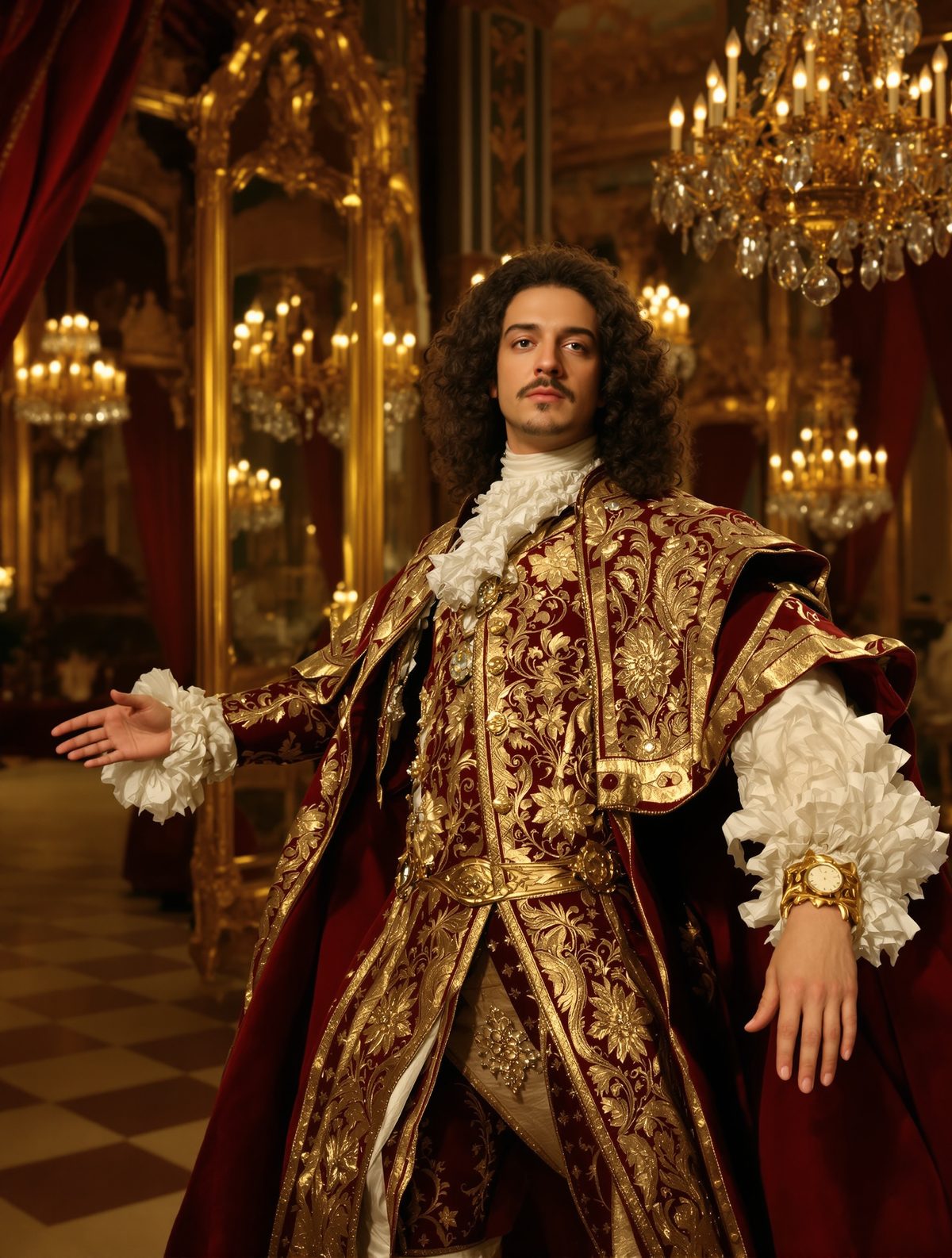
In France, he witnessed the spectacular court of his cousin Louis XIV, where ballet wasn't merely entertainment but a sophisticated art form that demonstrated royal grace and power. The Sun King himself was a accomplished dancer who understood that physical elegance translated into political authority. At other European courts, Charles observed how dance served as a diplomatic language, a way to display refinement and build alliances.
When Charles finally returned to England in 1660, he brought with him not just political restoration but a vision of monarchy that embraced pleasure, artistry, and continental sophistication. The England he inherited, however, was still recovering from decades of Puritan rule that had viewed dancing—particularly the elaborate court dances of European nobility—as morally suspect.
The Scandalous French Connection
The king's decision to engage a French ballet master for private instruction sent shockwaves through his court. While the exact identity of this dancing instructor remains somewhat unclear in historical records, what's certain is that Charles spared no expense in his pursuit of terpsichorean excellence. The very notion of an English king—particularly one whose throne had been restored by divine providence—taking instruction in what many considered frivolous foreign frippery was almost incomprehensible to his more conservative courtiers.
The timing couldn't have been more provocative. Anti-French sentiment ran high among many English nobles who viewed their continental neighbors with deep suspicion. The idea that their newly restored monarch was not only embracing French culture but literally learning to move like a French courtier struck many as a betrayal of English dignity and tradition.
Palace gossip reached fever pitch as servants whispered about the king's secret sessions. Some courtiers worried that Charles was becoming too influenced by foreign customs, while others fretted about the expense during a time when the royal finances were still recovering from years of political upheaval. The more traditionally minded among his advisors viewed dancing as beneath royal dignity—a performative art better left to professional entertainers than monarchs.
Grace Under Pressure: Charles Takes the Floor
But Charles II was nothing if not determined. Despite the corridor whispers and raised eyebrows, he persevered with his dancing education, and when he finally revealed his newfound skills at court balls, the results were nothing short of transformational. Contemporary accounts describe a king who moved with surprising grace and sophistication, executing the complex steps of courtly dances with an elegance that even his critics grudgingly admired.
The king's dancing prowess became particularly evident during grand court ceremonies and diplomatic receptions. Foreign ambassadors, accustomed to the refined dance culture of their own courts, found themselves genuinely impressed by the English monarch's abilities. What had begun as a source of embarrassment for his courtiers gradually became a source of national pride.
Charles's commitment to dance extended beyond mere personal accomplishment. He actively promoted ballet and formal dance at court, establishing it as an integral part of royal entertainment. Court balls became increasingly elaborate affairs, with the king often leading the dancing and encouraging his courtiers to develop their own skills. Those who had once criticized his dancing lessons now found themselves scrambling to keep up with the cultural shift their monarch had initiated.
The transformation was remarkable. Within just a few years, what had been considered scandalously foreign became fashionably English. The king's dancing lessons had effectively introduced an entire cultural movement to the English court, elevating the status of formal dance from mere entertainment to high art.
The Politics of Performance
Charles II's embrace of dance revealed a sophisticated understanding of royal performance that his critics initially failed to grasp. In an age when monarchy depended heavily on spectacle and ceremony, the king's physical grace became another tool of statecraft. His ability to dance with elegance and confidence reinforced his image as a cultured, sophisticated ruler worthy of respect on the international stage.
The dancing lessons also reflected Charles's broader approach to kingship—one that rejected the austere, distant model favored by some of his predecessors in favor of a more accessible, charismatic style of royal leadership. By literally learning new steps, he was symbolically demonstrating his willingness to adapt and evolve, to embrace the best of international culture while maintaining his essential English identity.
Moreover, the king's dancing created opportunities for diplomatic soft power that purely political negotiations might have missed. When Charles moved gracefully through a pavane or executed a perfect révérence, he was demonstrating that English royalty could match any European court in sophistication and cultural refinement.
A Legacy in Motion
The story of Charles II's secret dancing lessons offers a fascinating glimpse into the complex cultural negotiations that surrounded royal life in the 17th century. What began as a source of court scandal ultimately became a defining characteristic of the Restoration era, helping to establish the cultural flowering that would mark Charles's reign.
The king's determination to pursue his dancing education despite courtly disapproval reveals something profound about his character—and about the nature of cultural change itself. Innovation often appears scandalous to those comfortable with tradition, but visionary leaders understand that embracing the best of other cultures can strengthen rather than weaken national identity.
Today, as we watch modern royals navigate their own cultural negotiations—from the Duke of Cambridge's efforts to modernize royal communication to the Princess of Wales's patronage of contemporary arts—Charles II's dancing lessons remind us that the monarchy has always evolved through bold individual choices that initially shocked traditional sensibilities. The king who horrified his courtiers by hiring a French ballet master ultimately enriched English court culture immeasurably, proving that sometimes the most scandalous royal decisions become tomorrow's cherished traditions.